Author: xerkss

  • British Surrealism on display

    British Surrealism on display

    A memorable excursus through the most notable painters of British Surrealism will be on display at the Dulwich Picture Gallery. The exhibition will include over 30 artists who influenced the evocative painting of the following centuries. Among them, there will be remarkable artworks signed by Eileen Agar, John Armstrong, Francis Bacon, Edward Burra, Leonora Carrington, Henry Moore, Paul Nash, and Graham Sutherland.

    The show is built as a journey at the discovery of the concept of the unconscious. The elusive worlds and fascinating scenarios at the base of the Surrealist art movement will be represented by the gallery through 70 features artworks between paintings, sculptures, and prints from 1783 to 1952.

    Surrealist painting, exploration of the unconscious
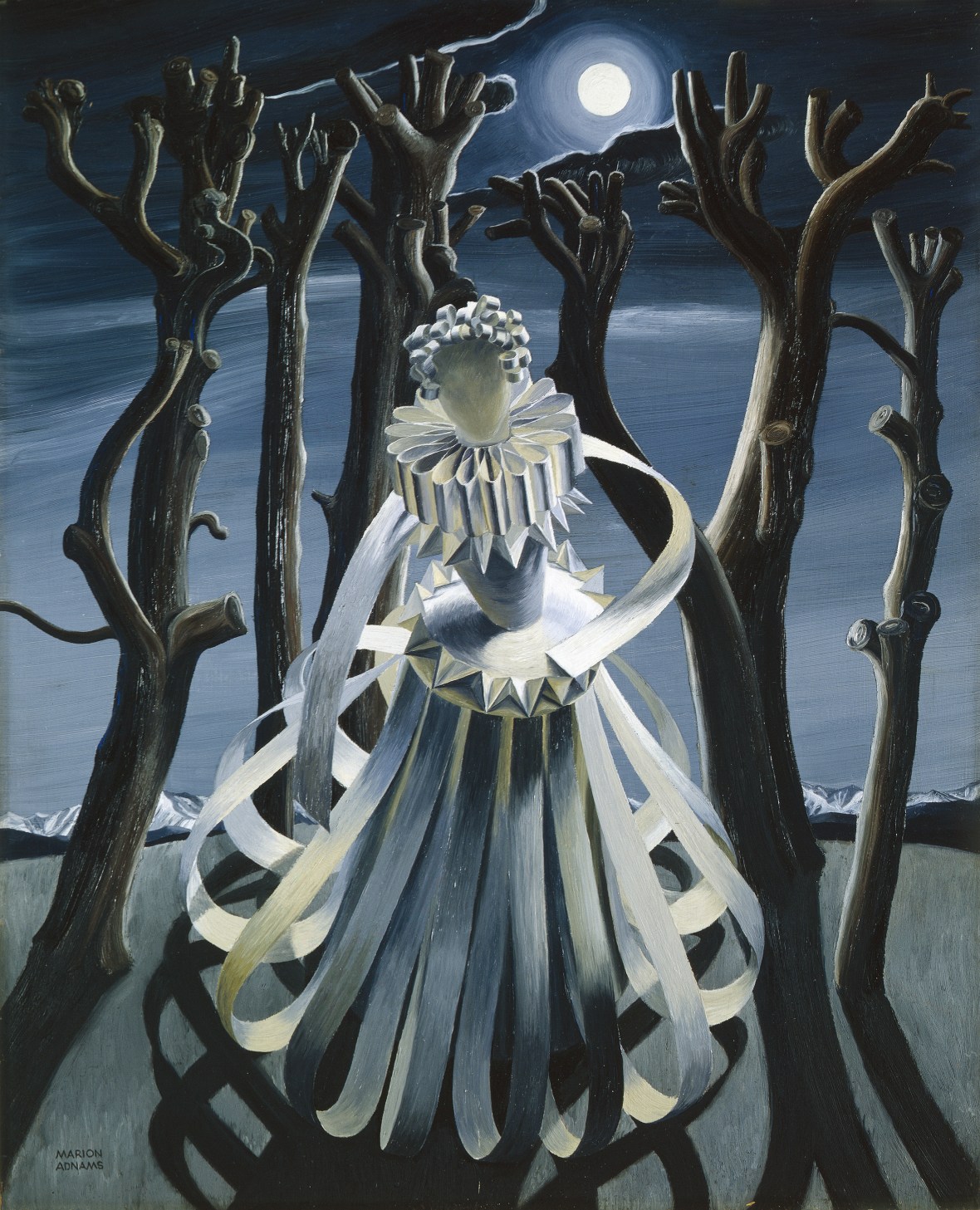
    Marion Adnams The Distraught Infanta, British Surrealism
    Marion Adnams “The distraught infanta”

    In the twentieth century, along with the discoveries of Freud’s psychology, many artists tried to incorporate the new, revolutionary concept of the unconscious into their own work. Surrealism in painting succeeded particularly in the intent by using the dream as a key creative tool. 

    In 1924, André Breton wrote the manifesto of Surrealism. The theorist insisted particularly on the necessity to merge the two realities that characterize human life, that of waking and one of the dreams.

    Basically, the artists who adhered to the current of Surrealism can be divided into two major blocks. The first used unusual combinations. By merging different elements belonging to distinct and separate categories these artists created worlds impossible to reconcile with the reality.

    The second tendency consisted of unreal deformations. These painters distorted and twisted elements belonging to the real world, turning them into something else. The result is a surprising and mysterious art, that doesn’t recognize the rigor of logic.

    Dulwich Picture Gallery presenting British Surrealism
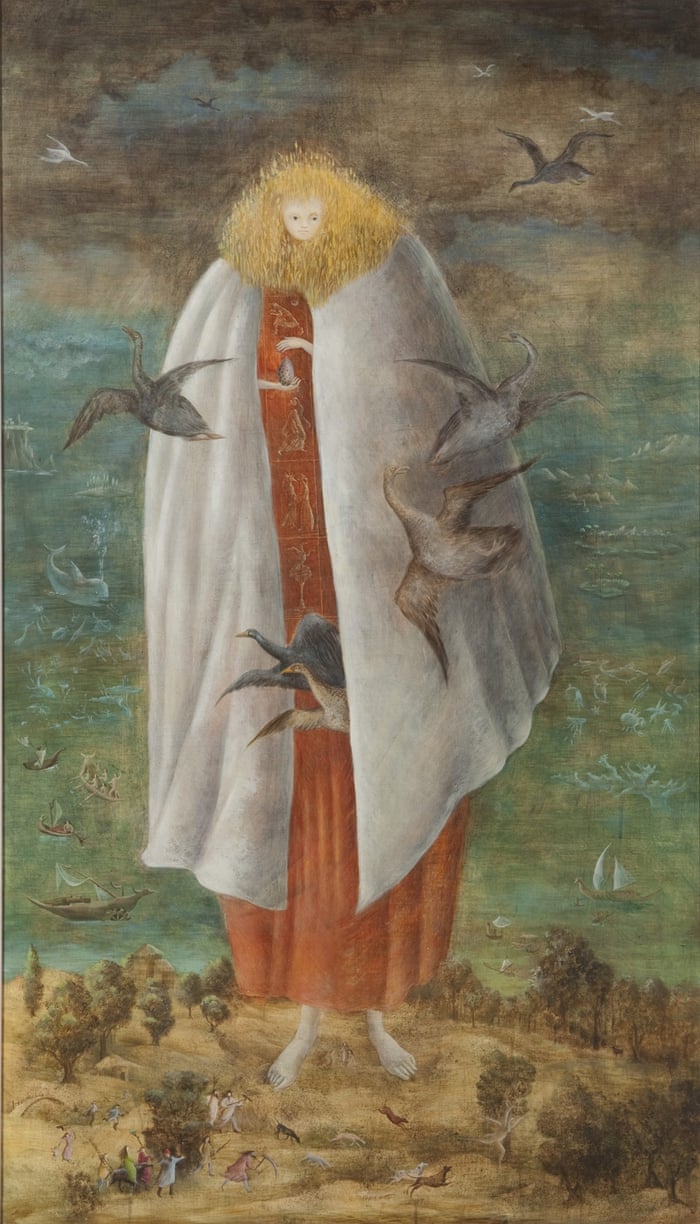
    leonora carrington
    Leonora Carrington “The Giantess” 1947

    The exhibition at the Dulwich Picture Gallery is designed to start from the concept of the dream and then drag the viewer into a mysterious path whose ultimate goal is the irrational and the absurd.

    The first area of ​​the exhibition will include Armstrong’s Heaviness of Sleep (1938) and Burra’s nightmarish Dancing Skeletons (1934). In the following areas, it will be possible to get lost in the evocative imagery of Marion Adnams and Edith Rimmington to then get to Carroll’s illogical worlds.

    In a constant emphasis on the imaginative importance of art, the gallery wants to give an overview of a current that characterized the painting of the 20th century. Also, it wants to exalt the irrational foundations at the base of English Surrealism.

    Curator David Boyd Haycock said about the project:

    “Over the past decade, the significance of modern British art has been increasingly recognized by curators and collectors. Surrealism, meanwhile, was probably the most exciting, transgressive and bizarre art movement of the twentieth century. Its impact on a wide range of British artists was enormous. It is an appropriate moment to expose new audiences to its roots in British culture and its significant influence.”

    The exhibition will be on display from the 26th of February 2020 until the 17th of May 2020.
  • Women in art

    Women in art

    The representations of the woman through the world of art

    The woman has always been represented in art, covering over time different roles with different symbolic meanings. In ancient iconography, the woman appears to be mainly associated with the idea of ​​fertility, beauty, and nature. However, the concept of women in art has been evolving continuously since then.

    Women in art from the ancient iconography to the Middle Ages

    women representations in the ancient iconography
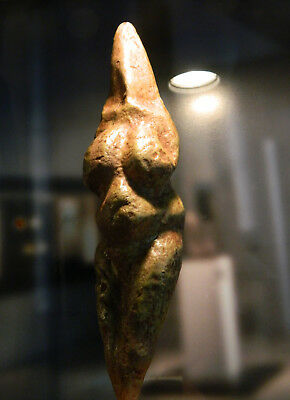
    Venus of Savignano

    The way of representing the women in art has changed not only because of the advancement of pictorial or sculptural techniques, the change in aesthetic taste or the variation of artistic currents but also for the way of conceiving the role of women in society.

    In ancient iconography the woman was the mirror of fertility and nature, she was the vehicle of the principle of life, a symbol of motherhood and procreation.

    Archaeologists have found numerous statuettes depicting female figures that were intended to celebrate the role of women in prehistoric societies. A canonical example is the Venus of Savignano. The statue, discovered in 1925, belongs to the Paleolithic period.

    In the iconography of the Middle Ages, the role of women changed and with the advent of Christianity. The female entity is depicted exclusively in sacred images, identified mostly with the figure of the Virgin Mary.

    Women in art from Humanism to Klimt

    With the advent of Humanism, the themes of the paintings focus on the female entity with a different perspective. The woman gains the center of artistic-literary interest; she is no longer represented only as a “saint” but is renewed and evolves into increasingly diversified aspects.

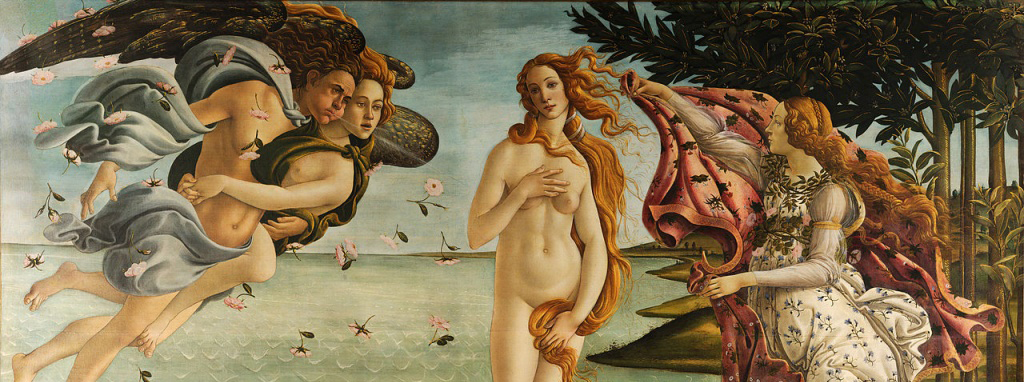
    Sandro Botticelli and Raffaello Sanzio are among the most remarkable artists that conveyed the female representation of their era. The woman becomes the symbolic embodiment of Love, the driving force of human nature.

    Subsequently, the woman is painted as a sensual and strong entity, that sometimes can even be dangerous. This is the vision of Edvard Munch and Gustav Klimt. Overcoming their role of muses, women become the real protagonists on the canvas, often depicted as representations of the Truth.

    Women artists

    Women have never been just muses, but above all, they’ve been artists.

    Women artists from the twentieth and twenty-first centuries
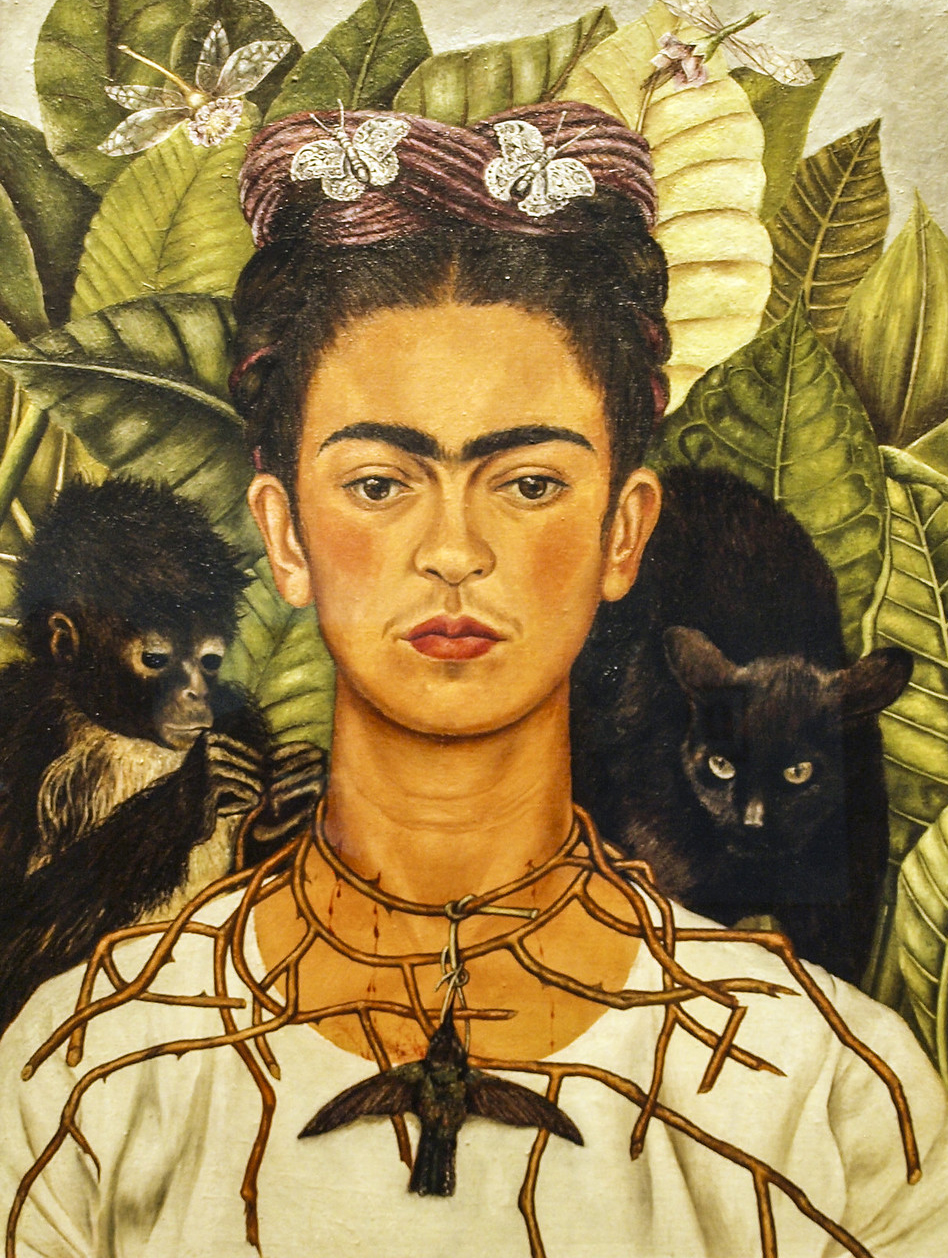
    Frida KahlorMexico, Self-portrait with Thorn Necklace and Hummingbird 1940

    Among some of the most remarkable female artists in history there are names like Eva Hesse, George O’Keeffe, and Frida Kahlo, just to name a few. It’s not causal however that renowned women’s names in art belong in the twentieth and twenty-first centuries.

    As artists, they have not always received due recognition in past eras. There were many women who already painted in ancient times, but the major part of the testimonies and the documentation relating to their production has unfortunately been lost.

    For example, at the beginning of the 18th century, a large number of women were portraitists, however, we will never be able to rehabilitate their history. Also, women artists were deprived of all the advantages which men instead benefited from. For example, in art studies, women were not allowed to paint naked or even participate in these kinds of classes.

    Fortunately, with the time passing, names like those of the Baroque genius Artemisia Gentileschi, the impressionist painter Mary Beale and portraitist Sofonisba Anguissola become known all over the world, enriching the world artistic heritage with their impressive works.

  • Technology and art broadening creativity

    Technology and art broadening creativity

    Technology has provided artists with new tools of expression. The combination of technology and art has in fact allowed the artists to cross over into new perspectives, opening up new imaginative possibilities, art has dressed itself in an expanded capacity. Computers and applied science made sure that untouched grounds were explored. However, technological progress has redefined art for a long time. Already in the 15th century, Jan Van Eyck experimented with oil-based pigments, marking a new era in the pictorial world.

    New forms of expression

    technology redefining the relationship between viewer and art

    Although the symbiosis of art and technology has accompanied us for centuries, in recent decades the relationship between the two worlds has become more intertwined than ever before. The two worlds, so distant in appearance, are interlinked considerably. Above all, the artists show no reticence or hesitations in including new expressive means within their productions.

    But what are the most notable advantages and changes of the new artistic formula? First of all, the mix of new media has favored interaction. In particular, art has been stripped in part of its sacredness, becoming more human and empathic. It’s almost as if from untouchable it becomes accessible to its public.

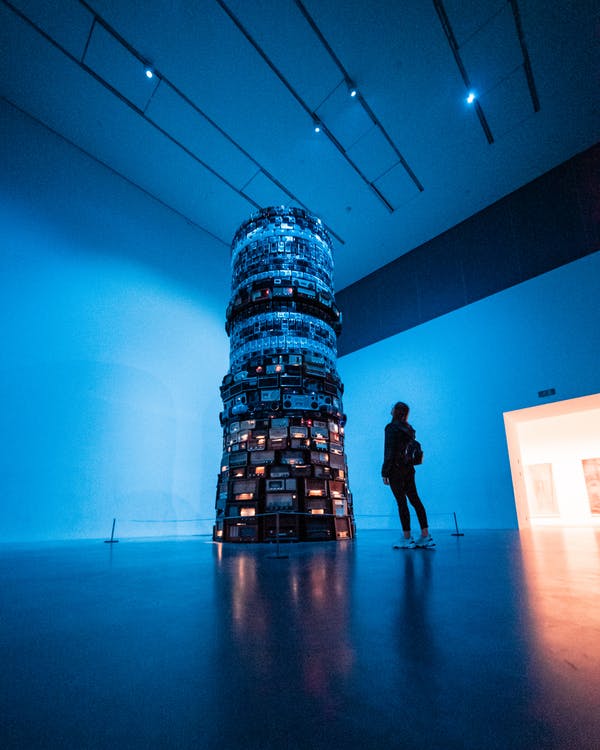
    Today in museums and galleries around the world there is a wide variety of artists who use technology to push art in different directions. Increasingly, visitors have the opportunity to explore multimedia worlds. In relating to these new creative settings, their role sometimes becomes an organic part of the works of art. No longer passive spectators, but active participants of the art performance.

    The medium of the Technology and Art

    Among the ways of technology to influence art there are some of the most appreciated creative approaches of recent years.

    interactive art uses technology to create more immersive experiences

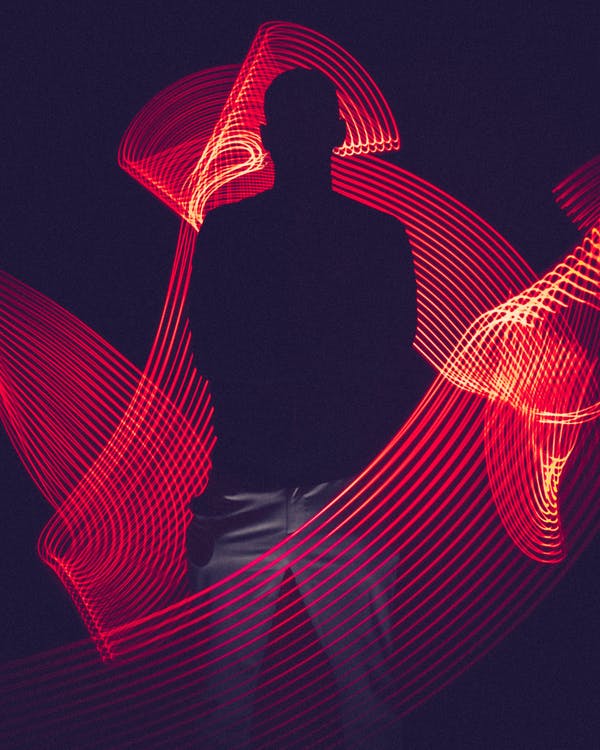
    From 3D prints, to lasers, to augmented reality, many artists used new mediums to create manipulable and hyper-detailed models. Interactive art, born in 1950, becomes more and more immersive.

    The process is visible everywhere. From the Art Basel of Miami to the innovative approaches of the MoMa, from shows like Assemblance in London, to browser-based art experiences like that of Olia Lialina. 3D art, in particular, is one of the most used by contemporary artists. Today it is possible to appreciate incredibly structured works realized, for example from paper precisely cut by a laser. Technology and art together therefore not only change the viewer’s experience but also influence the creative process itself.

    In addition to those already mentioned, augmented reality has a prominent place. This offers a unique crossover between the digital and physical worlds. Intertwining indissolubly, these two worlds encompass two parts of our lives. That of what is earthy and tangible and that of virtuality – that has forever changed our habits.

    The binomial reshaped museum and exhibition spaces. However, the most important thing is that it allows the audience to feel more connected to the artworks. By creating new human experience and rich visual echoes technology is amplifying the future of art.

  • Gustav Klimt masterpiece found hidden in the wall of a gallery

    Gustav Klimt masterpiece found hidden in the wall of a gallery

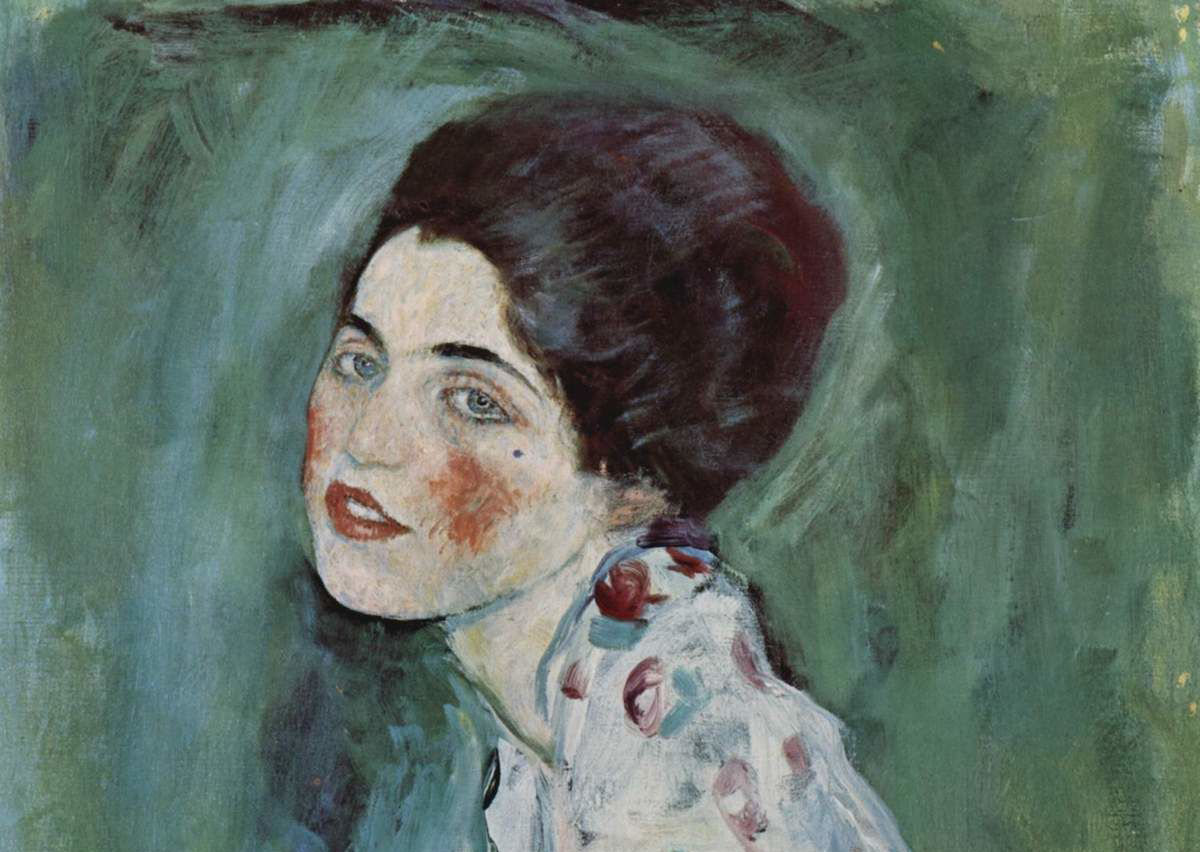
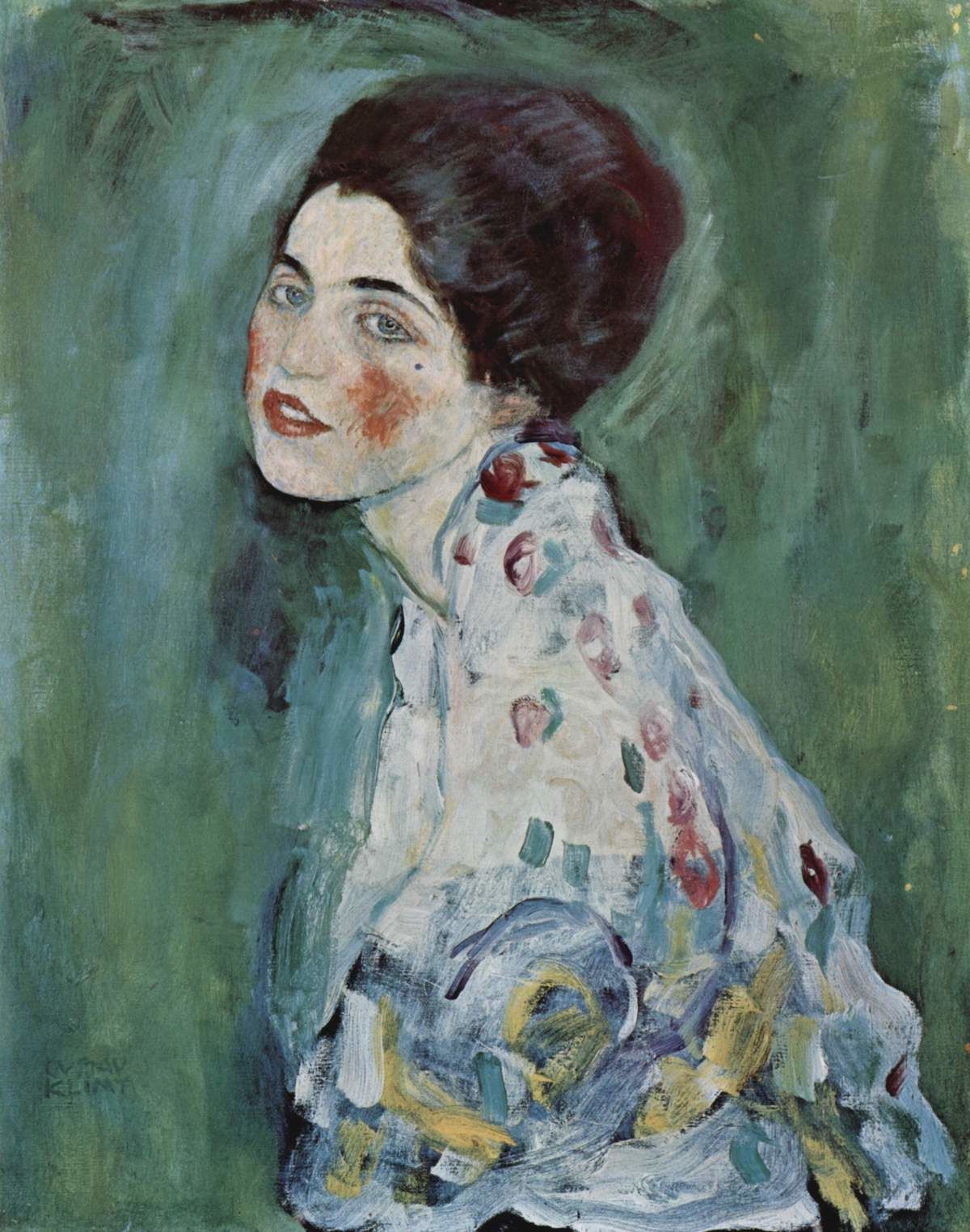
    Another fortuitous discovery in the world of art happened by chance. A Gustav Klimt ’s masterpiece was found hidden in the wall of an Italian gallery this week. The artwork, disappeared in 1997 is a notable female portrait valued €60 million.

    Klimt artwork was stolen in 1997

    portrait of a lady by Gustav Klimt found in Italy

    The painting went missing in February 1997. In particular, it disappeared from the Ricci Oddi gallery in the northern city of Piacenza.

    The astonishing discovery was made by a gardener who happened to glimpse, behind a metal panel outside the gallery, a suspicious trash bag. Surprisingly, the man found what seems to be the original Klimt that went missing about 23 years earlier. 

    Portrait of a Lady is a suggestive creation belonging to a wide series of female portraits by the Viennese art nouveau painter. Above all, just ten months before its theft, an art student had an astonishing intuition confirmed through X-ray analysis. Portrait of a Lady appeared to cover another work by the prominent symbolist painter. 

    Certainly, the debate around the masterpiece’s authenticity will be lively until further examinations. However, if these will classify the painting as an original, proving its legitimacy, the sensational discovery will be double. 

    Portrait of a Lady, a fortuitous discovery

    The event could bring to light what seemed to be one of the many lost works that were never going to be found again. Surely, it could be one of the most significant findings of the last decades.   

    According to the Italian culture councilor Papamerenghi this was the second most valuable artwork that went missing in Italy. Particularly relevant for the Italian art scene, the painting is second only to a work by Caravaggio that disappeared from Sicily in 1969.

    “If the findings confirm the authenticity of the painting, it would be a sensational discovery and we would be ready to exhibit it in the gallery as early as January. We are talking about the most sought-after stolen painting in the world after Caravaggio’s Nativity with St. Francis and St. Lawrence“

    Gustav Klimt, a female universe

    female universe in Gustav Klimt art

    The gallery has been actually closed to the public. For now, while a scientific team proceeds with the inspections, the work has been transferred to an unknown place, in the custody of the judicial authority, to ascertain whether it is actually the original copy.

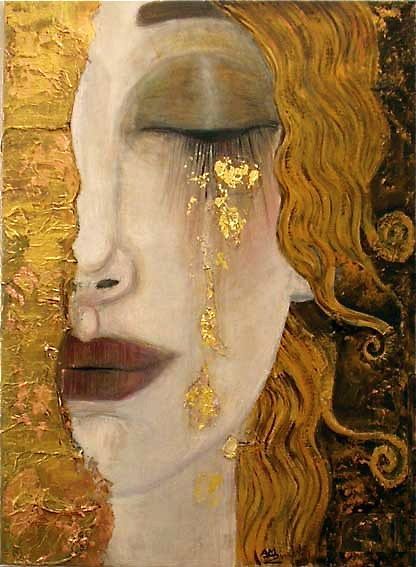
    The artwork could enrich the heritage of Klimt’s female universe. Male figures rarely appear in the enveloping seduction of Gustav Klimt ‘s paintings. In the decorative jubilation of gold and thick plots, women are the real protagonists.

    Women, in his art, casually take plastic and captivating poses. In particular, they emerge, with sometimes languid, sometimes ruthless, looks.

    Above all the woman becomes a representation of the Truth. In this vision, the new find fits harmoniously with the known collection of the Austrian painter. The legitimacy of the work remains to be ascertained, but if this was proved we would have a new window on the incredible artistic imaginary of Gustav Klimt.

  • Western and Chinese museums promote cultural ties

    Western and Chinese museums promote cultural ties

    The museums partnerships between China and the Western world are booming. Both sides of the cultural institutions seem to embrace a mutual path, despite their differences. Overcoming the barriers of communication and censorship, these new collaboration offer benefits to all parts involved.  Chinese museums are quickly catching global attention. On the other side, Western institutions are opening to a new market and accessing the impressive Chinese art.

    Museum Development in China

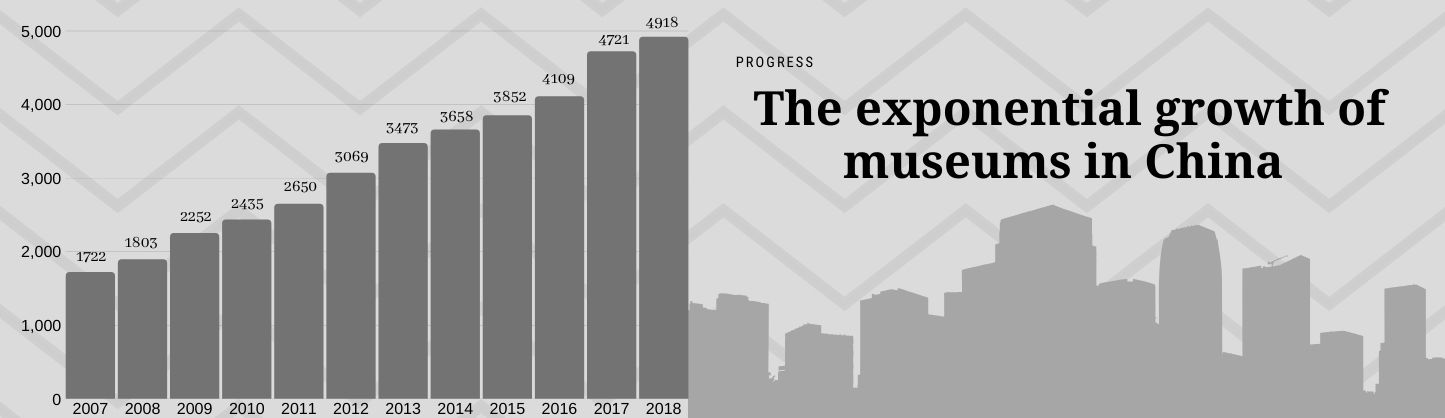
    In the last few years, the major museums of the world have been working on new projects in China. Particularly, the partnership was born on the base of the exponential growth of museums in China. In 2007 the total of the Chinese museums was 1.722. A few years later, in 2018 the number has grown to 4.918. Actually, in the first part of this growth art resources were unevenly distributed, with 38% of the art shows in four Chinese provinces. 

    the exponential growth of museums in China is remarkable

    The new buildings, advanced in architecture and technology showed a lack of content and expertise. Surely, this was an opportunity the Western partners couldn’t miss.

    Partnerships between Western and Chinese Museums

    This new era of art began with K11, First Museum Retail in the world. The Hong Kong based foundation announced three years of exhibition exchange with the Palais de Tokyo in Paris. This was actually the prelude of a new series of cross-cultural exchanges between Chinese and French contemporary artists. However, even more importantly, it signed the advance of Chinese contemporary art on the international stage.

    Centre Pompidou expansion in Shanghai

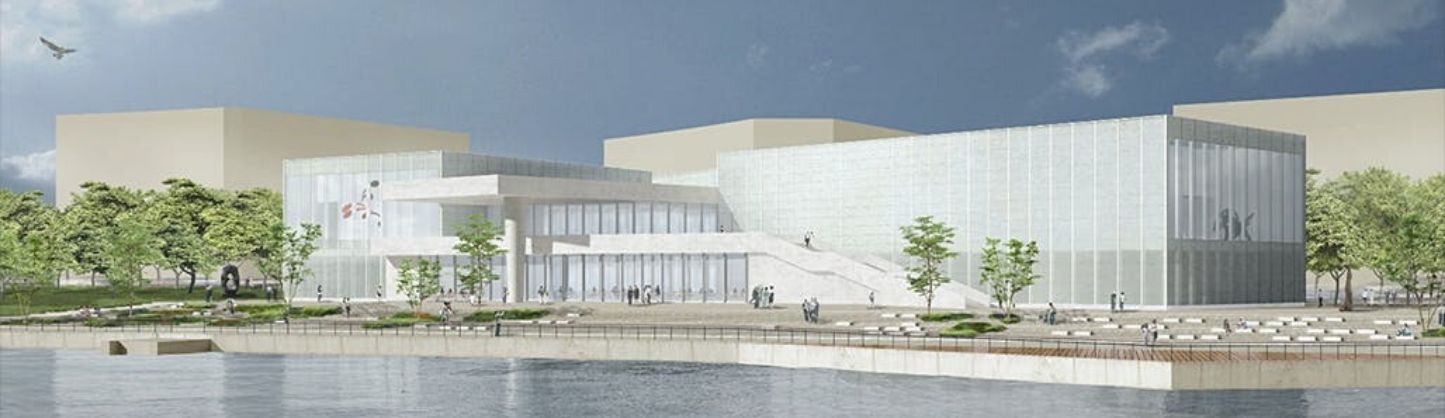
    After that, the Shanghai Exhibition Center opened to the masterpieces of the Centre Pompidou. The exhibit was successful. The pieces of art provided included 71 artworks from 1906 to 1977. Above all, it was probably the first time that the Chinese audience had such rich examples of Western art of the 20th century. Centre Pompidou x West Bund Museum, inaugurated on the 5th of November saw the participation of French President Emanuel Macron. The Pompidou’s outpost in Shanghai will have access to incredible artworks. On the other side, the French-based institution will earn annual fees of about € 4 million for the loans and the branding. 

     Centre Pompidou x West Bund Museum, inaugurated on the 5th of November
    credits: David Chipperfield Architects

    In late 2018 the Center Pompidou launched on Weibo and WeChat. In particular, the intent behind this choice was to adapt the museum environment for Chinese visitors. The Pompidou is currently working on a WeChat program full of insights, among contents and audios.

    Another testimony of the partnership comes from the Tate in London. The museum announced that it will provide three exhibitions at the opening of the Shanghai Pudong Museum of Art in 2021.

    Understanding the Museums Partnership 

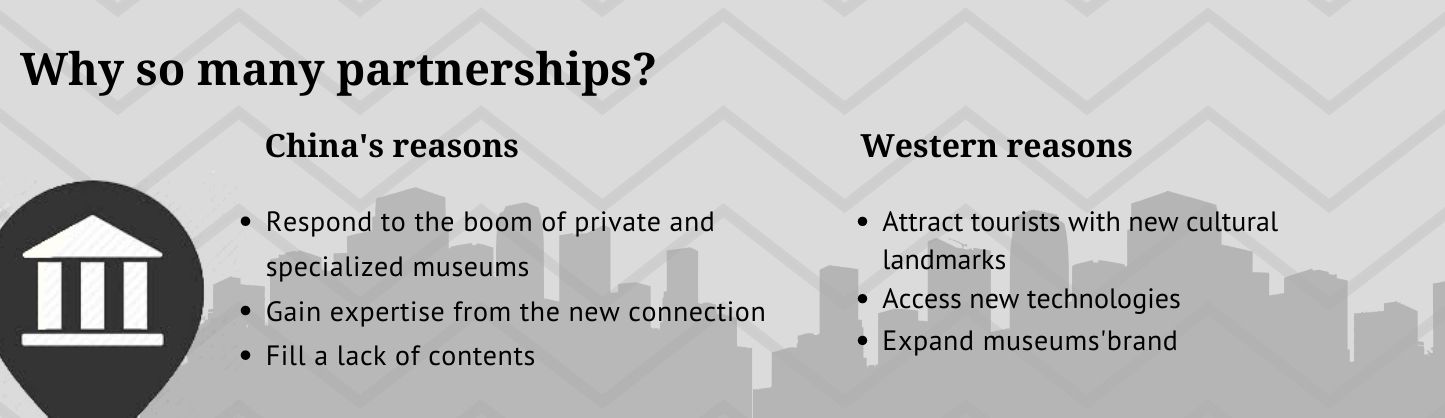
    A new connection linked two separate realities. However, which are the true reasons behind the Western partnership with China?

    Understanding the Museums Partnership between China and the Western worlds

    Technology plays a role in the process. That is to say, that the use of Chinese platforms will allow museums to connect directly with a new audience. MoMa, for example, launched an interactive advent calendar using WeChat. It is clear that a whole new range of possibilities is opening now to the world’s finest museums. This new usage of social media can actually be a powerful tool for growing their brand.

    In addition, merchandise cannot be left apart in the analysis. In particular, museums take a huge profit margin on retailing. Now that a new audience is in the game, is prevented a significant increase in sales.

    These haven’t been the only reasons for the partnership. New archaeology discoveries led to the need of site museums that China could provide. Along with this fact, was registered a boom in private and specialized museums. 

    The development of a more strategic approach across international museums is expected to attract tourists with new cultural landmarks. However, this comes as a great opportunity to collect and share data that could help build a more solid relationship.

    Surely, the situation is evolving fast and it is certain that an interesting era for Western and Chinese museums has already started.

  • Cattelan’s banana worth 120 thousand dollars eaten by an American artist

    Cattelan’s banana worth 120 thousand dollars eaten by an American artist

    It is probably the most expensive banana in the world and this Saturday was actually eaten by performance artist David Datuna. We are talking about the ultimate provocative artwork by the Italian artist Maurizio Cattelan. The artwork, presented at the Art Basel Miami, is worth 120 thousand dollars!

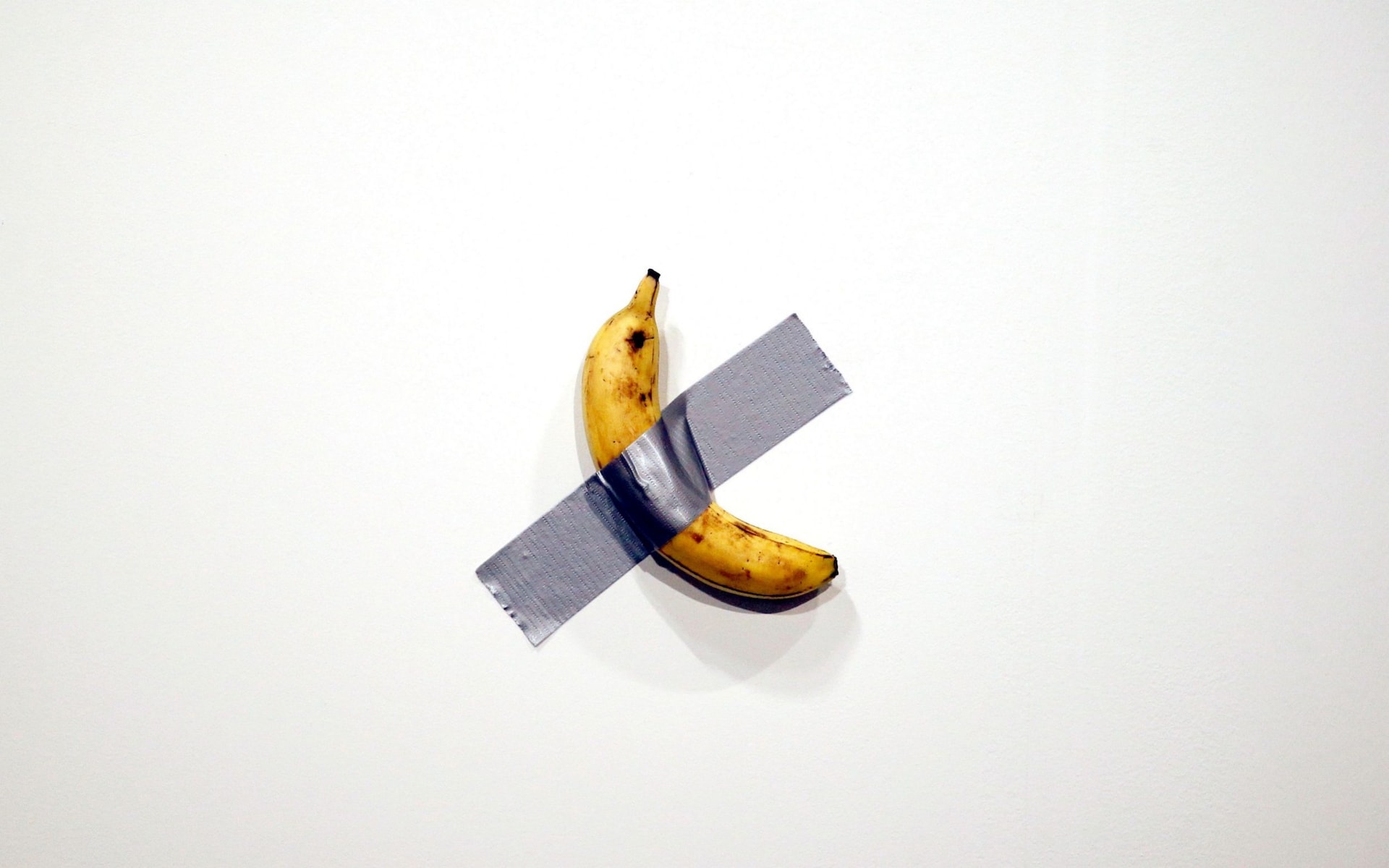
    Comedian: a surprising artwork at Art Basel Miami

    cattelan_banana
    CREDIT: RHONA WISE/REX

    Maurizio Cattelan is well known in the art world for being a pure subversive artist. He quests the relationship between art and life, reality and fantasy. Above all, Cattelan developed a sensationalistic approach. In particular, he often takes inspiration from mass media culture. By deconstructing or stigmatizing symbols, Cattelan amuses and surprises the viewer. However, at the same time, he produces in his audience an effect of disorientation that makes his art immediately recognizable.

    The name of the artwork presented at Art Basel is Comedian. This is the umpteenth controversial work by the artist to have seduced the international art press. The work – consisting of a real, edible banana attached with silver scotch on a white wall – soon became a phenomenon around the world.

    Cattelan’s banana eaten by David Datuna

    The artwork was on display at the international gallery Perrotin. In the artist’s vision, Comedian stands as an attempt to make the public reflect on the value given to objects. Even more incredible than the artwork itself, it’s its destiny: the Georgian-born American artist David Datuna last Saturday pulled it from the wall, peeled it and devoured it!

    https://www.instagram.com/p/B5yIFp2hyE-/?utm_source=ig_web_copy_link

    It’s actually one of the first times that an artist eats the conceptual work of a colleague. If art is in the eye of the beholder, in this case, it passed fast to his stomach. Despite the anger and the general confusion of the audience, Cattelan’s banana was quickly replaced. In addition, to prevent someone from emulating David Datuna, guards were deployed around the – new – banana, in defense and control of the replaced work.

    The director of Art Basel, Herald Lucien Terras, wanted to reassure the buyers of the other two copies of the work. In particular, the artwork comes with a certificate of authenticity, meaning owners can replace the banana. “Datuna did not destroy the artwork. The banana is the idea“, Terras said.

    However, although security was deployed to prevent Datuna-style performances from replicating, Perrotin Gallery decided to close the stand early, just one day after the fair closed. “Comedian by Maurizio Cattelan is no longer visible,” the art gallery announced.

    The prankster art of Maurizio Cattelan

    The installation, in particular, caused several uncontrollable movements of the crowd, and its placement compromised the safety of the surrounding works.

    Maurizio Cattelan’s banana surely caught the world’s eyes. However, this wasn’t the first time for the artist. 

    In A Perfect Day, Cattelan exhibits his gallery owner Massimo De Carlo; on the other hand, in Hollywood, the word standing on the hills of Los Angeles is decontextualized. Cattelan reproduces and moves it over a hill near Palermo, Sicily. In addition to those, there is La Nona Ora (The Ninth Hour), the statue of Pope John Paul II hit by a meteorite. This eccentric and courageous artwork was included in the 2016 TV series The Young Pope.

  • Maurits Escher’s exhibition at Salone degli Incanti

    Maurits Escher’s exhibition at Salone degli Incanti

    Maurits Escher: the master of optical illusions

    Maurits Cornelis Escher is a truly unique artist. His enigmatic and paradoxical work shows a peculiar artistic approach. Precision and logic seem to permeate each of his artworks. The artist unifies art and mathematics, building incredible figurative scenarios and surreal worlds.

    Maurits Escher: the master of optical illusions

    Born in Leeuwarden in 1898, he managed to create an art loved by logicians and physicists. Particularly interesting for the original interpretation of the concepts belonging to science, Escher used geometric distortions as a base for his artistic vision. 

    During the first years of his career, Escher voted his artistic production for landscaping. However, his most remarkable feature is the ability to intertwine different dimensions on each canvas. Above all, his compositions overstep physical boundaries. As a result, Escher is able to expand the world we know by evoking parallel or imaginary realities.

    The Salone degli Incanti in Trieste is hosting a great interactive exhibition that will be on the scene until 7 June 2020. The show explores the mystery and wonder inside the artist’s production. An unmissable appointment to enter the visual complexity of Escher’s imagination and the secret relationship between art and geometry. 

    The paradoxical worlds of Maurits Escher

    Despite the richness of contents inside his work, Escher found global fame only when he came to be considered a pioneer of psychedelic art by the hippy culture of the 1960s.

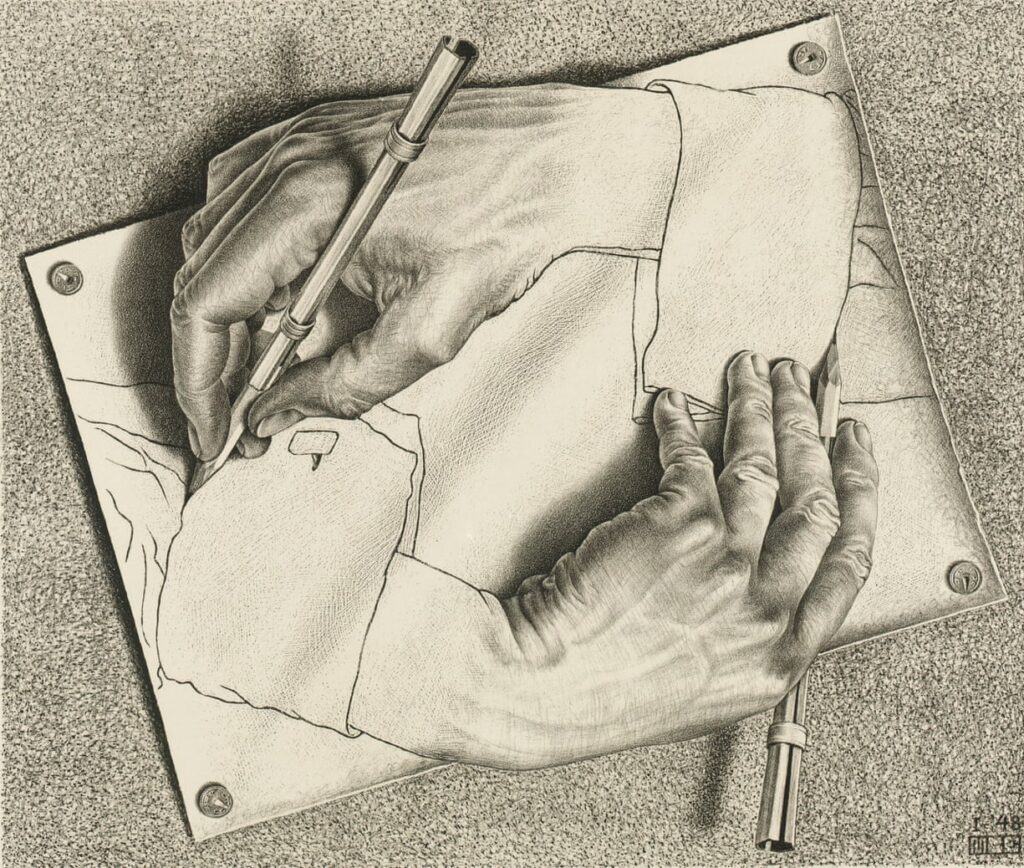
    The paradoxical worlds of Maurits Escher in evident this remarkable work called Drawing Hands

    The uniqueness of his artistic approach showed at a young age. As a child, he soon developed a particular interest in mathematics. In addition, he was interested in carpentry and drawing. Escher started attending the faculty of Architecture and Decorative Arts in Haarlem. However, he abandoned the studies to focus on his career as a graphic artist. 

    The imaginative world he put on the canvas is impossible to replicate. The confluence of science, design, and art is remarkable. Even if his fame was not immediate, in recent years a new interest developed around the artist. Today, Maurits Escher is one of the most popular artists in the world, with exhibitions that have broken every record of visitors.

    Escher-Journey into infinity at Salone degli Incanti

    Today a new journey in Escher’s imaginary is on scene at the Salone degli Incanti in Trieste. The exhibition will include over 200 works. Surely the retrospective of the artist’s optical enigmas shows his influence on popular culture. Starting from advertising and ranging from records to cinema and architecture. 

    Escher-Journey into infinity at Salone degli Incanti on the scene until the 7th of June 2020.

    In addition to his static works, there will be an interactive area. This will give a better understanding of the impressive creations of the Dutch master and engraver.

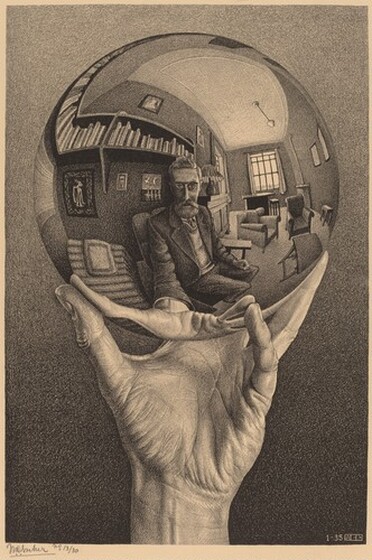
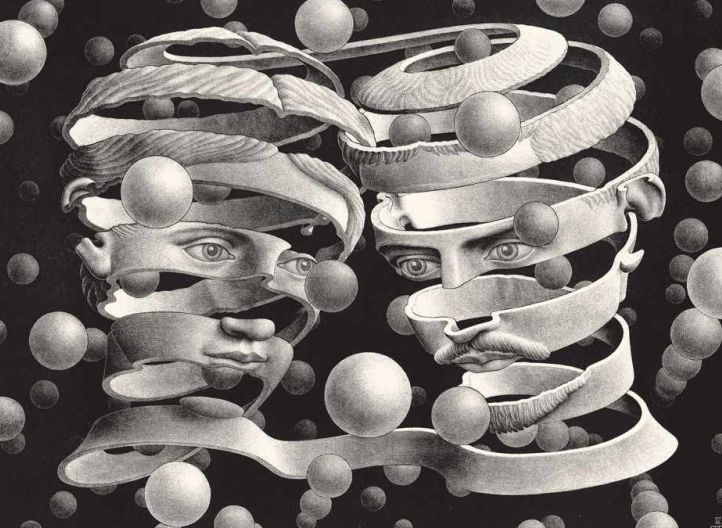
    The exhibit includes the most famous artwork by Escher, such as the series Days of Creation, Relativity, Drawing Hands, Bond of Union and Self-Portrait in Spherical Mirror.

    The show came together with the first Italian documentary on the Dutch artist figure: Escher-Journey into infinity. 

    Curated by Federico Giudiceandrea, the exhibition is promoted and organized by the Municipality of Trieste, Department of Culture and Arthemisia Group with Generali Valore Cultura, in collaboration with M.C. Escher Foundation and the support of PromoTurismoFVG.


  • Artist we love: Salifou Lindou

    Artist we love: Salifou Lindou

    cameroonian artist Salifou Lindou is an incredible abstract painter appreciated internationally
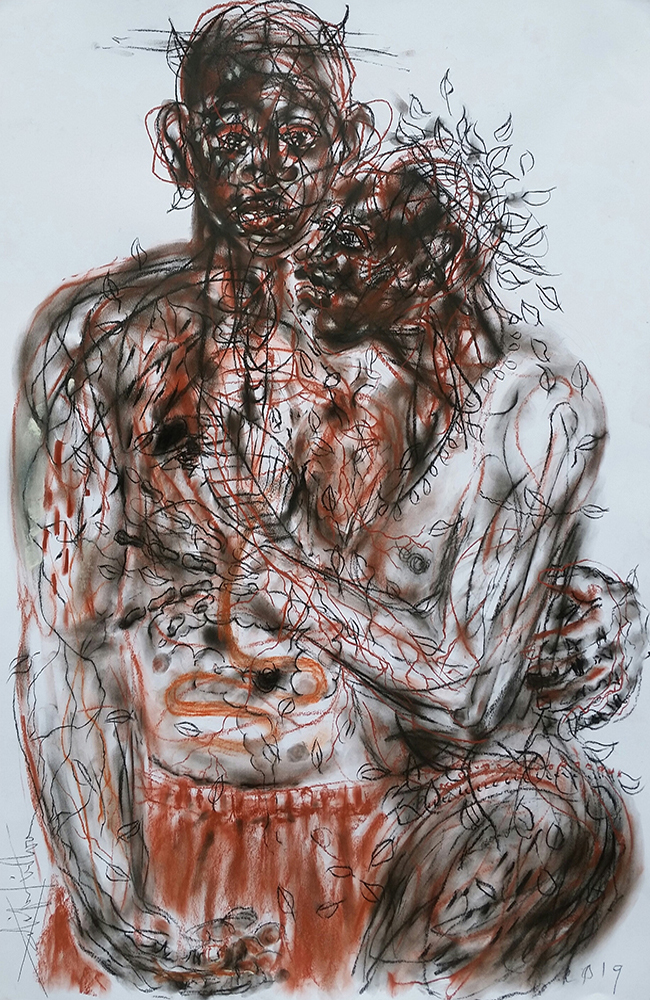
    NANGA BOKO 3, 2019

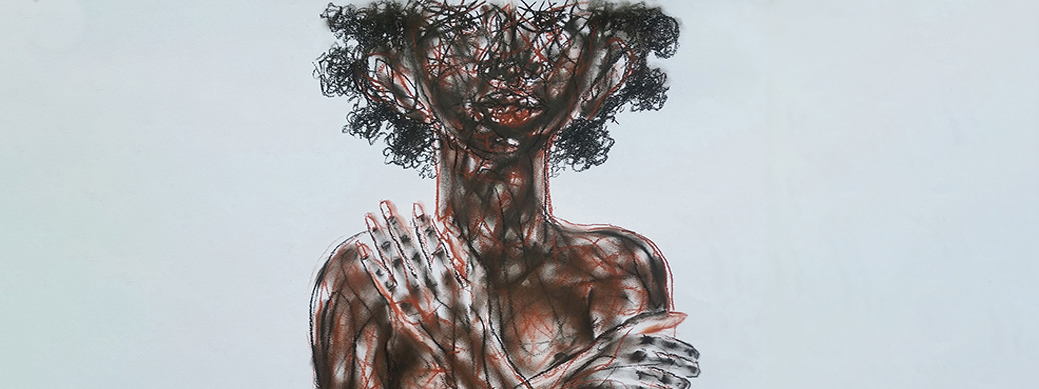
    In a period when the general trend of art embraces hyper-realism and figuration, Cameroonian artist Salifou Lindou explores abstraction through his human figures. Salifou Lindou is deep and unconventional. Surely the manipulation of shapes and lines is the base of his imaginarium.

    However, his artistic approach conveys a whole set of meanings and considerations of human nature. In the juxtaposition of lines, he gives to his characters strength and fragility at the same time. 

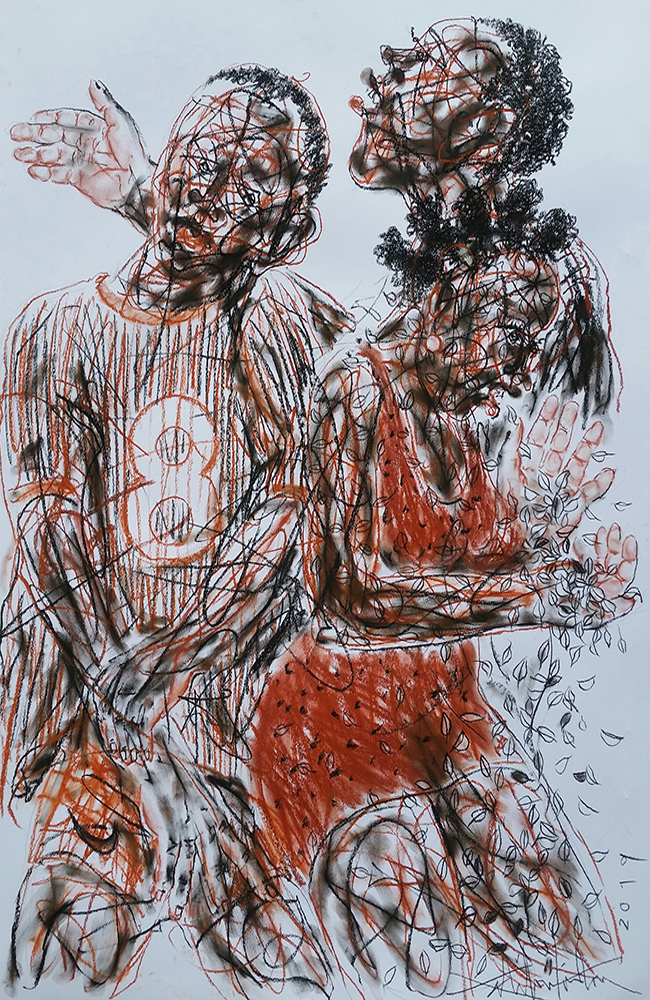
    Despite the abstraction of his illustrations, he values the body. His drawings are emotional and his characters are in movement. The transfigured corporeity he displays makes the viewer question and reflect. Surely, the result is intense, emotionally overwhelming.

    By distorting and manipulating human traits, he puts on the scene the mystery of life. In particular, the artist uses his mastery in drawing to create something that communicates directly to our souls.

    Looking at his canvas means to take a step behind to catch – clearly as never before – the perpetual struggle of men and women.

    Salifou Lindou education and career

    Salifou Lindou is a painter and sculptor. Actually his work derives from ceaseless experimentation with materials. In particular, Lindou often employs waste materials to spread environmental awareness. 

    modern and contemporary African sculptor and painter Salifou Lindou
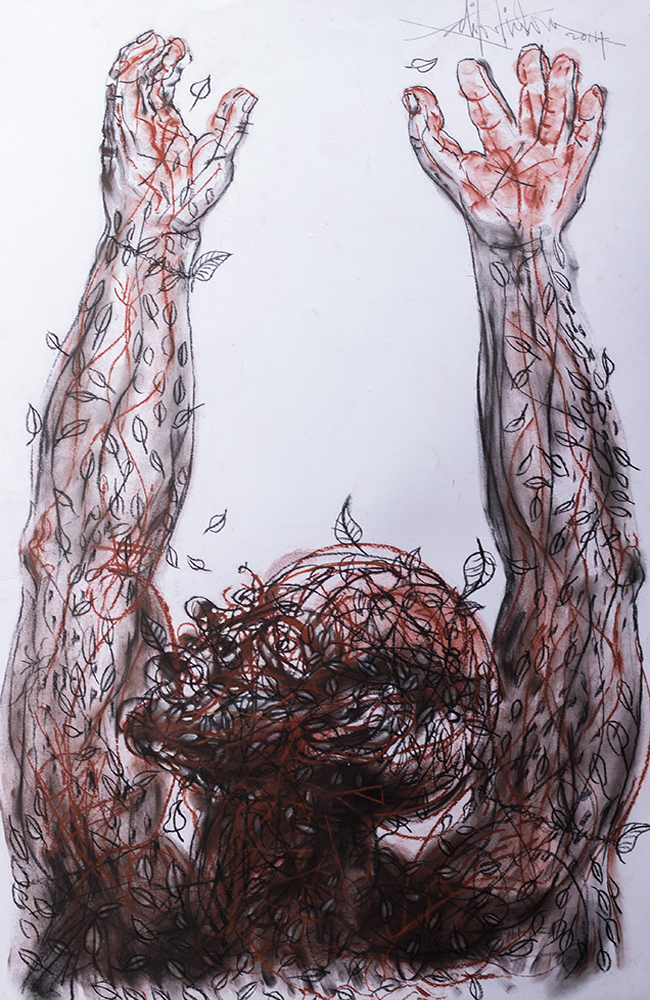
    ADAM ET EVE, 2019

    Born in 1965 in Foumban, Camerun, the artist lives and works in Doula, in the district of Bonamouti. As a kid, he was fascinated by the traditional bronze handicraft of his native city. The intrigue and the mystery of those works gave him a scope. That is how art entered Lindou’s world.

    He is among the most remarkable artist of the 90ies. However, besides his individual artistic development on the national and international stage, Lindou’s creativity deeply influenced the emerging Cameroonian artists. Lindou is the founder member of the Kapsiki Circle, a collective of five plastic artists from Douala. Mainly concerned with urban issues, the members of the circle accompany young designers and creators.

    Together with the collective Skurk, the Kapsiki Circle designed the first urban scenographies back in 2003. During the same year, he also exhibited at the Mam Gallery as part of the project initiated by the French Cultural Center of Douala. In 2002, he participated at the International Contemporary Art Fair of the South, in Paris, France. Then, in 2005, he displayed his works in ARCO, International Exhibition of Contemporary Spanish Art, in Madrid, Spain. In 2009, he exhibited at doual’art in Cameroon with Emotions partagées, in collaboration with Christian Hanussek.

    Face à l’eau: public art in Africa

    The installations of the artist reflect the approach he uses in his canvas. That is to say there’s no intent of being majestic. Lindou’s interest stands in captivating the mind of his audience, not just their view. 

    Face à l’eau is a permanent work of art produced for the second edition of the SUD-Salon Urbain de Douala. The work consists of the manipulation of old tires and waste materials. Lindou used a series of five vertical panels made of wood, metal and colored plastic. In particular, the highest panels reach almost four meters in height and are arranged in a way that gives the impression of being a single screen. 

    Art we love: the human condition in Salifou Lindou’s work

    artworks on human condition by Salifou Lindou
    THERE IS NO DARKNESS IN YOU I

    Lindou uses natural pigments and the finest lines to represent the uniqueness of human beings. By portraying his figures in their loneliness, in their fear or inner thoughts, he inspires an uncommon profoundness. In spite of their malleability, the figures emerge, showing with their bodies the desperate resistance of their souls.

    “Through the texture and form of my figures, I allow strength, fragility, beauty and ugliness to emerge from their narcissistic bodies, expressing the bitterness and gentleness of their traits as well as the infinite resistance with which they confront the violence of existence.”

    Salifou Lindou’s art is far from any calculation. In choosing to portray the secret of life, he employs freedom as a principal tool. In addition, his characters become something other than just random people. They become icons, immutable stigmas in which we can all see ourselves.

    The overlapping lines reflect the ambiguity and the complexity of life itself. Like in a labyrinth where each step is a win or a loss, human life revolves around daily. Through a remarkable mastery in drawing, the Cameroonian artist shows empathy in the clearest way possible. The multitude of our differences collapses, and all that remains is the silk thread that unifies all humans as one.

    Visit artist’s gallery on RDN Arts: Salifou Lindou


  • The story of how Dickens’portrait is back in London

    The story of how Dickens’portrait is back in London

    Sometimes it is the fortuitous discoveries that make the history of art. This is the case of a precious portrait of the famous British writer, journalist and travel reporter Charles Dickens. Known for his humorous proofs as well as for his social novels, the author was the protagonist of the art press of the last year. 

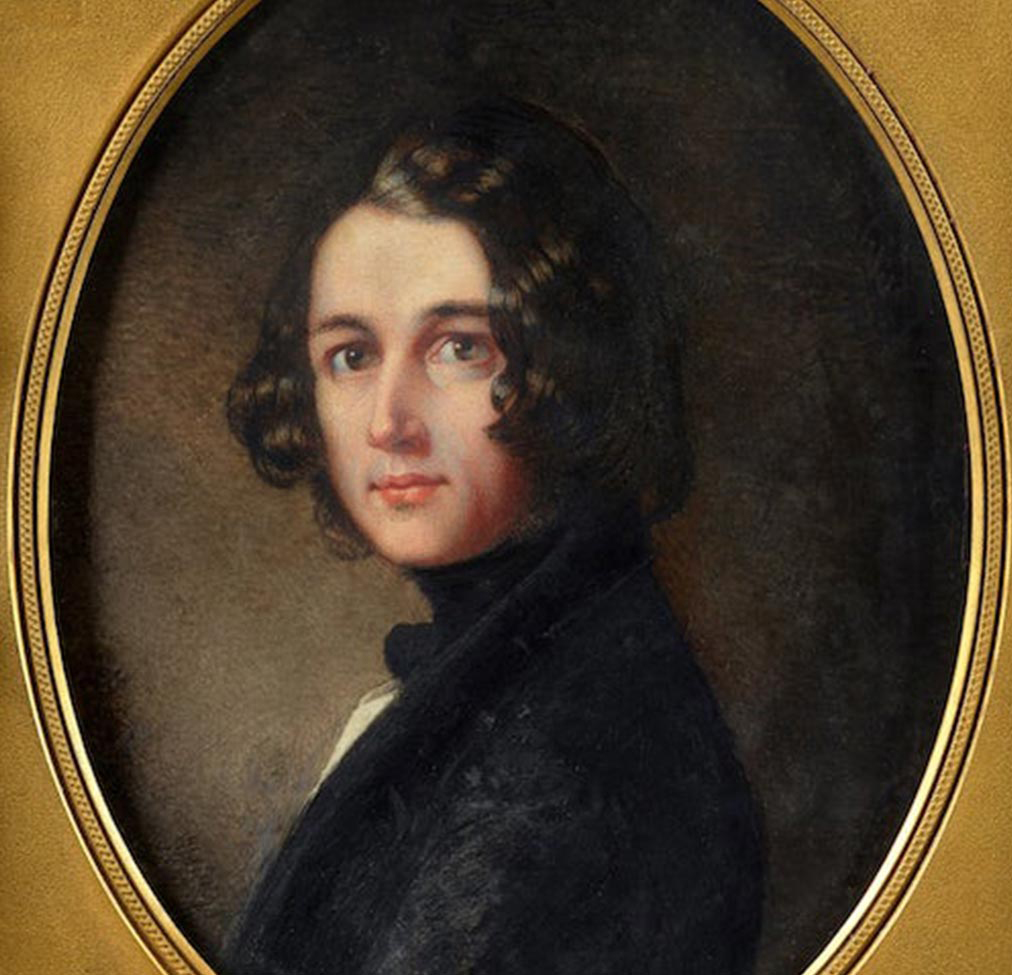
    Margaret Gillies’ 1843 artwork found among trinkets

    Margaret Gillies’ 1843 artwork found by chance in South Africa

    One of the few artistically important portraits of Dickens still in existence was found in South Africa. The portrait, disappeared for over 175 years, was contained in an old box kept in a vintage shop. For just 27 pounds, a lucky buyer brought to the light a painting of much greater value.

    The box, containing old objects including a metal lobster, an old recorder, and a brass plate, preserved as well a small painting. Actually, this was so covered with mold that it was impossible to establish who the subject was.

    However, the decision to restore the picture to its former glory led to a sensational discovery. The painting purchased for a few tens of pounds, in fact, is a portrait of Charles Dickens. Dated at the end of 1843, that’s the result of artist Margaret Gillies’work. At that time, the English writer was 31 years old, and he had literally risen to the limelight and fame thanks to the short novel “A Christmas Carol”.

    Brought back to life: Dickens’portrait restoration

    In particular, the restoration, entrusted to the care of the expert Philip Mold, brought to light what seemed to be one of the many lost works that was never going to be found again.

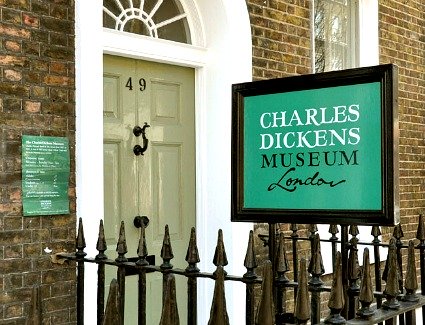
    The first to mobilize for the work to return to England was the Charles Dickens Museum in London. The Museum immediately launched a fundraiser to be able to grab the coveted portrait.

    While waiting to find a place in the collection dedicated entirely to the English artist, the painting found was exhibited in the London gallery Philip Mold & Company. Before the discovery, Dickens’portrait entered the public scene just once as part of the 1844 Royal Academy summer exhibition.

    Dickens’portrait found its way home

    Dickens’portrait found its way home at the Dickens Museum

    The Dickens Museum received funding from the Art Found and the Lottery-funded Arts Council England V / A Purchase Grant Fund to bring the painting back home. In addition, is significant the participation of private individuals, admirers of Dickens who contributed to the recovery of Margaret Gillies’ work.

    Cindy Sughrue, director of the museum dedicated to the writer, commented on the discovery of the portrait of Dickens:

    “We are so excited to be bringing the portrait home. We are extremely grateful for the generous support that we received. It is a magnificent affirmation of the enduring appeal of Dickens’s writing and the worldwide fascination that he continues to inspire.”

    By the time the painter worked on portraiture, Dickens had already gained fame as an emerging literary star of his time.


  • From Darkness to Light: The Paintings of Mikhail Turovsky

    From Darkness to Light: The Paintings of Mikhail Turovsky

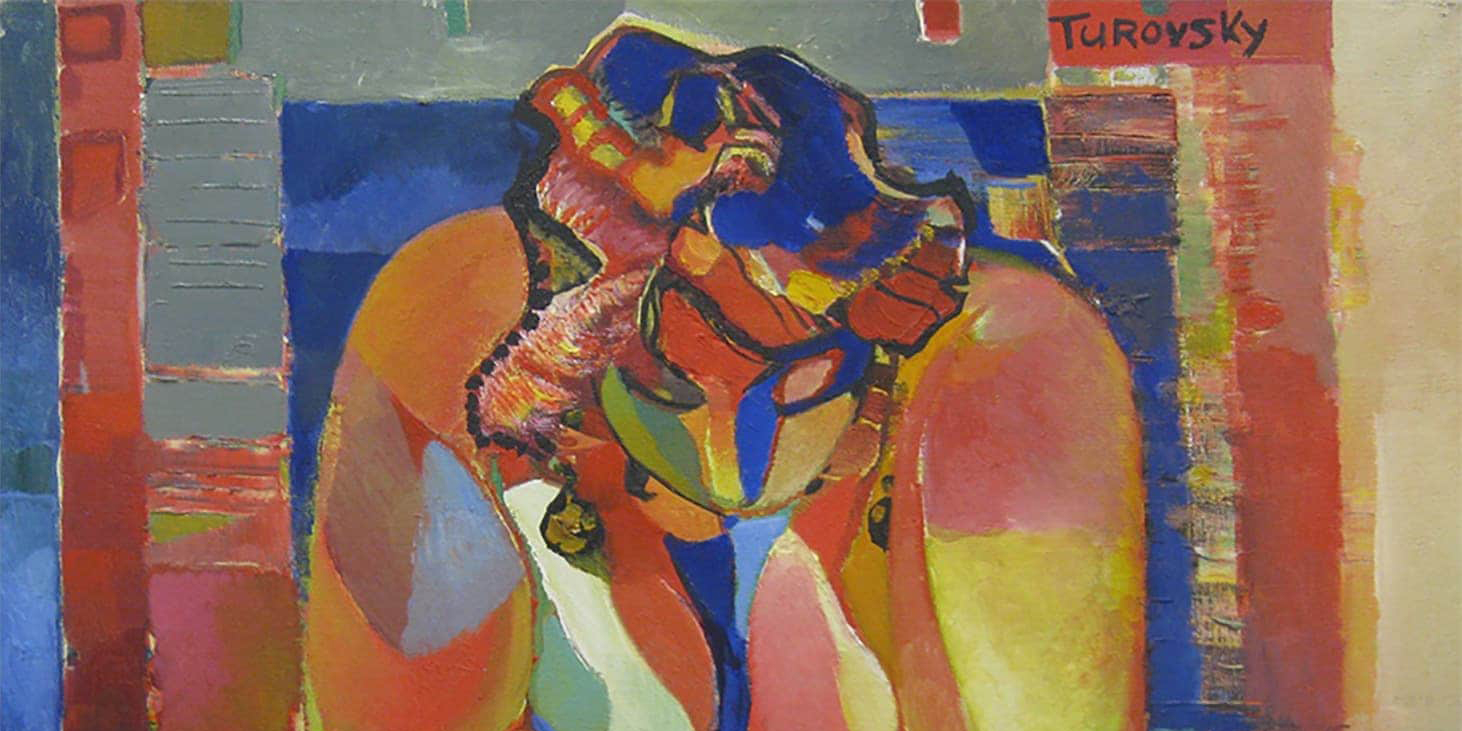
    The Ukrainian Museum is hosting these days a retrospective exhibition of Mikhail Turovsky’s impressive work. Exceptional curator of the show is the Ukrainian poet, essayist, and translator Vasyl Makhno.

    “From Darkness to Light: The Paintings of Mikhail Turovsky” focus on the highlight production of the master of contemporary figurative art. The exhibit collects works from Turovsky’s prominent shows in America and Europe. From the Palais de Congres in Paris to the Art Expo in New York.

    The triumph of life over the disasters of war

    From Darkness to Light: The Paintings of Mikhail Turovsky at  the Ukrainian Museum

    The artist began his career in Soviet Ukraine. Actually, his development as an artist will be largely influenced by the political set-up of the era. When he was just a child he had to deal with the horrors of World War II. In particular, his family evacuated from Kyiv in Uzbekistan because of the war events. Once returned to Ukraine they found a fragile country annihilated by bigger forces.

    Even if in such a scenario, Turovsky was able to find his path to art. He attended the Kyiv Art Institute, obtaining a notable academic education. 

    Above all, Turovsky’s career is deeply connected to the Shistdesiatnyky movement. The cultural front sided against socialist realism. Eventually, the fight against censorship and despotism converged in numerous arrests. When the situation collapsed, the Ukrainian master left his native country to settle in America.

    Turovsky: genius between two cultures

    It was in the country of hopes and possibilities that a new era began. From 1979 a new artistic plenitude accompanies his production. Turovsky’s rebirth started in New York, but it will influence the entire world art scene.

    The unique experience of the artist places him in a singular position. Turovsky’s cultural roots surely play an important role in his art. However, western culture influenced him as well. 

    In his art, the singular meeting of the two cultural identities is not conflictual. In taking the main feature of both realities, Turovsky reinvents his cultural perspective. As a result, he leaves past atrocities behind, representing an artistic sensibility that looks for a full comprehension of the world and its dynamics.

    Appointment with the finest paintings of Mikhail Turovsky

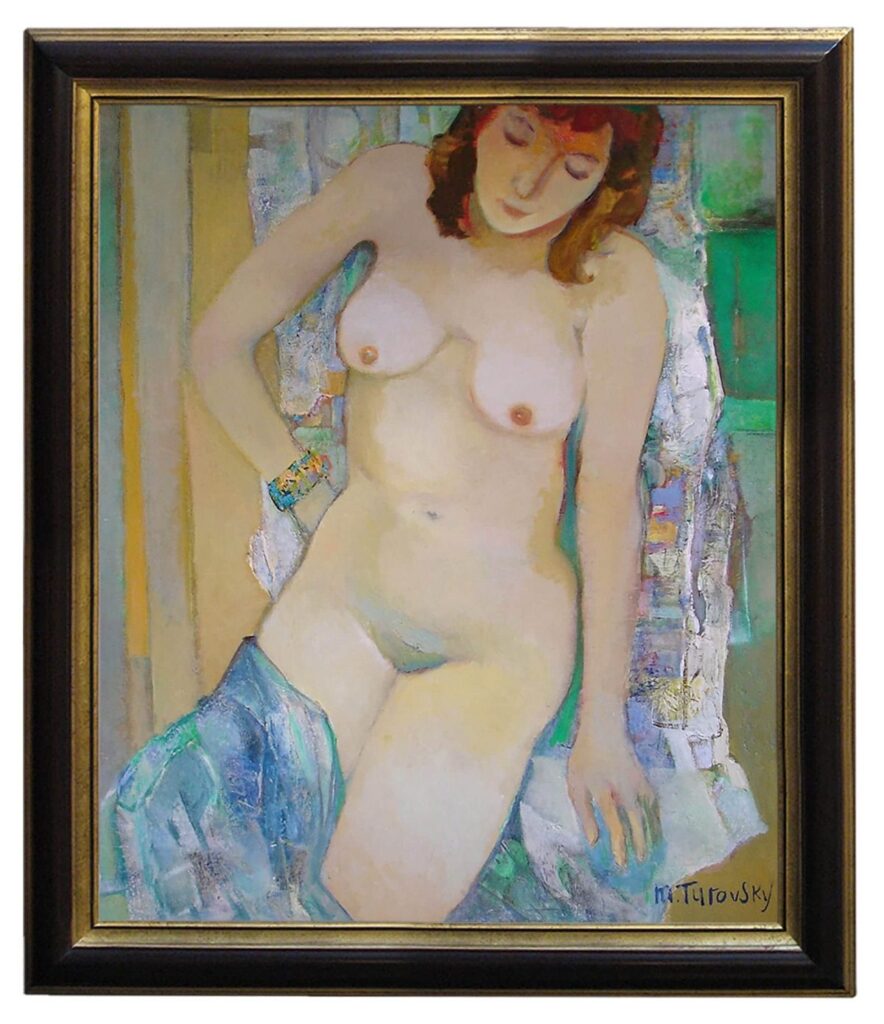
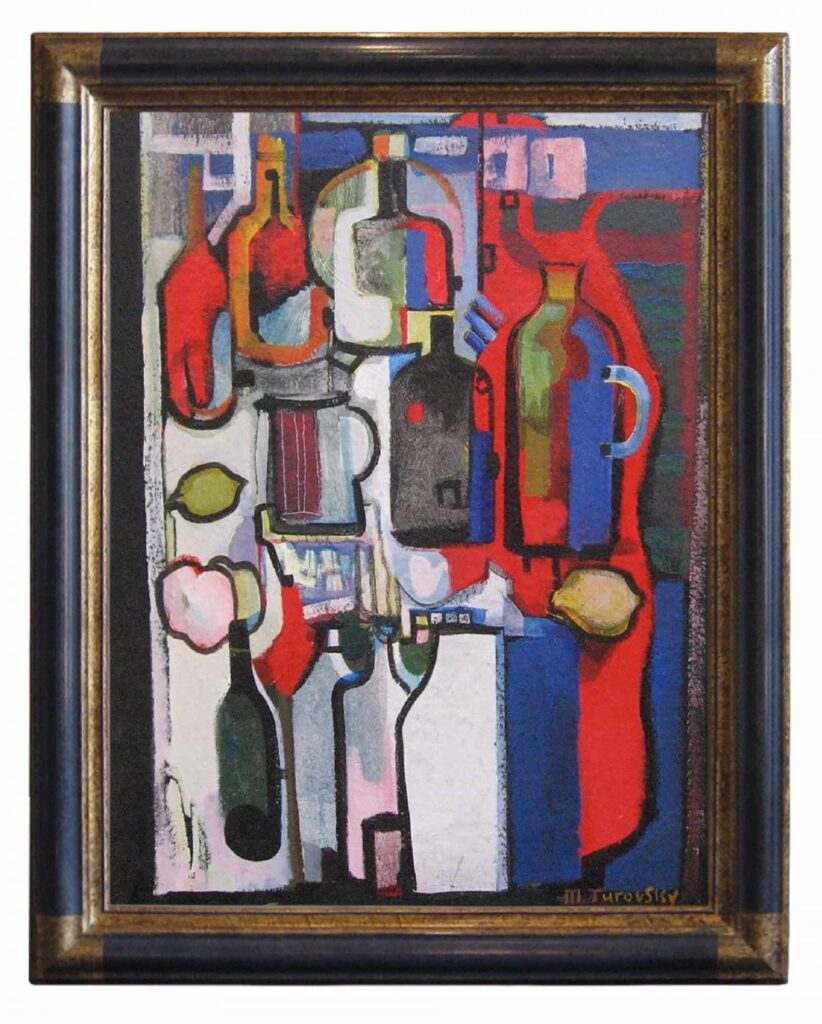
    Ukrainian artist Mikhail Turovsky's artworks

    The exhibit at the Ukrainian Museum is one of the most remarkable events of the period for Contemporary & Modern Art. In particular, the show features more than 60 works from the artist’s finest collections around the world. The artworks on display include his production from 1979 to the present. 

    His large-format works already received the audience acclaim, confirming his prominent influence on the art panorama world-wide. The exhibit features works as Crematorium and his paintings dedicated to the Holodomor, the famine that struck the territory of Ukraine from 1932 to 1933, causing several million deaths. The beautiful landscapes of New York and the feminine figures he paints are as well on display.

    In addition, Turovsky presents for the first time a series of graphic illustrations that go under the name of Motherhood.

    This suggestive, inspiring exhibition opened on October 27 and will be on view until March 22, 2020.


    Learn more about the artist:  Mikhail Turovsky

Our Content.
Your Inbox

Join thousands of art lovers

Receive art news, market analysis and updates about new artists on the website

By subscribing you agree to receive RDN Arts emails. Unsubscribe at any time. Privacy Policy.