Author: xerkss

  • The Purpose of Art

    The Purpose of Art

    The Art Principle

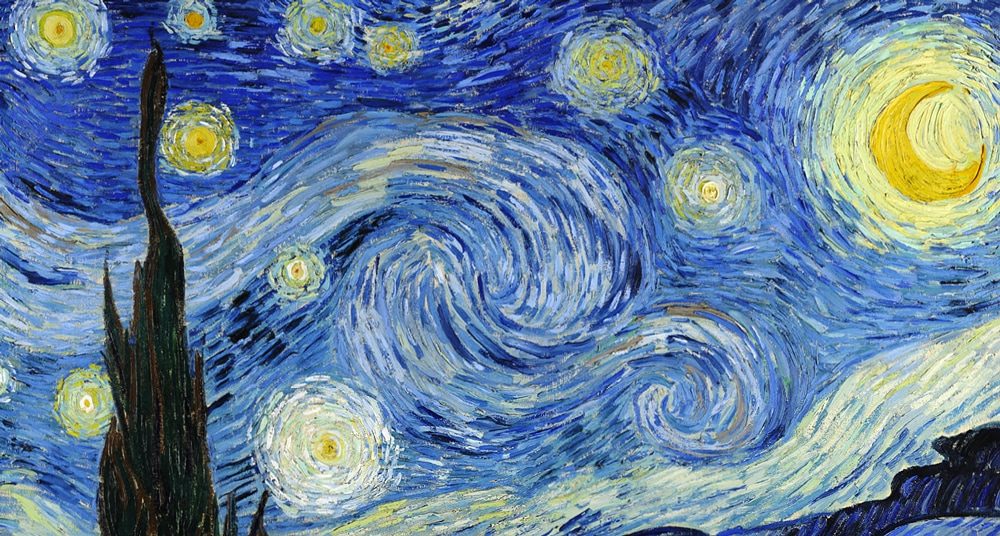
    The old adage is I think therefore I am, but the argument could be I create, therefore I am. Art is an integral part of the human experience. We have developed art in various forms. Music, dance, words, sculptures, and compositions are all physical interpretations of the imagination. And while the subject the matter has taken us from painting horses in small caves to Starry Night‘s and now even further into the future. The purpose of art has not.

    Collectively we have always attempted to connect to one another. Our shared experiences are what binds us. We move and therefore thrive in the community around us. The purpose of art is an indispensable part of being human, it transcends the individual. In this sense, Art, as creativity, is something humans must do by their very nature. It is therefore beyond utility. Art is the intersection of imagination and fabrication. Artwork specifically compositions are an unspoken language we all understand. The meaning or the purpose of the piece being unique to the individual.

    Compositions are distinct in their very nature. Their meanings are a part of the everyday fabric of our lives. They’ve made their way from the gilded halls of the world’s most famous castles to our street corners. We have taken art out of the cave to the museum and now to our homes. The journey of paintings is a mural of the history of man. Where we started, where we are now and eventually where we want to be.

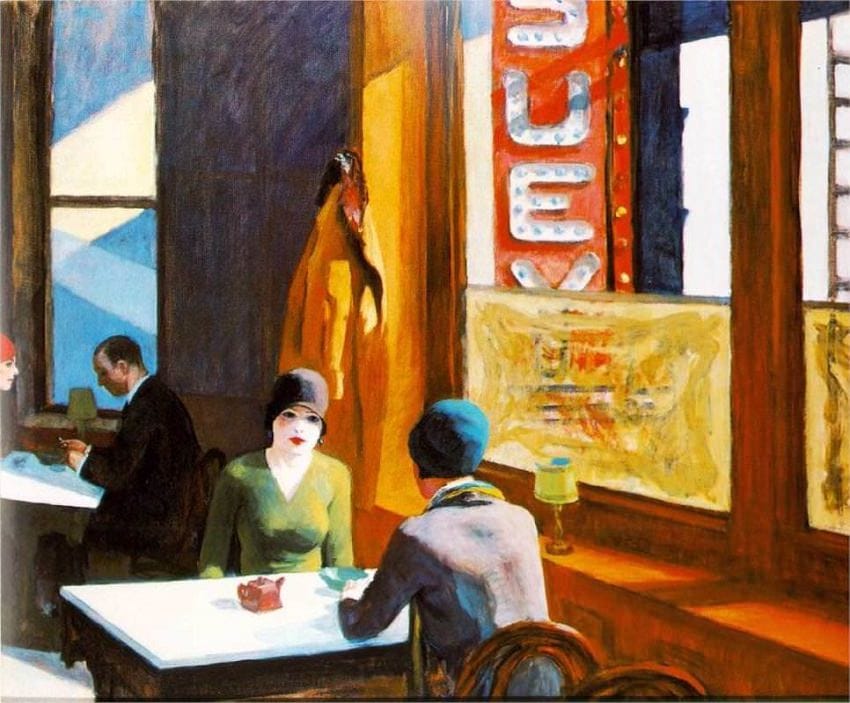
    Edward Hopper - Chop Suey

    David Hockney, Portrait of an Artist ( Pool with Two Figures), 1972 is one of the seven most expensive Artworks sold in 2018

    First came fire, then came art.

    Throughout the history of mankind, we have always used art as a medium to explain the world around us. In the middle ages, artists used the medium to explain divinity, the Church’s function, and major movements from paganism to Christianity. During the renaissance artist like Michelangelo used art as a way to communicate the relevancy of the church. Not only was he a master painter, creating the Sistine Chapel he much like his Florentine rival Leonardo Di Vinci was a man of science. Realizing the world of around them was rapidly changing they used their talent to help communicate those changes to the masses.

    The creation of art is nothing new. 63,000 years ago we painted murals in caves. In Chauvet-Pont-d’Arc Cave in the Ardèche region of France lies some of the best-preserved murals of cave paintings. Those artists used their tools and cunning to create an intricate mural of their landscape. Capturing a snapshot into their everyday lives. Animals they preyed on and were prey to are just some of the examples that this piece offers us. A glimpse into the challenges of that time. As Robert McBryde says “The painter’s function, generally speaking, is to explore and demonstrate in his work the interdependency of forms.
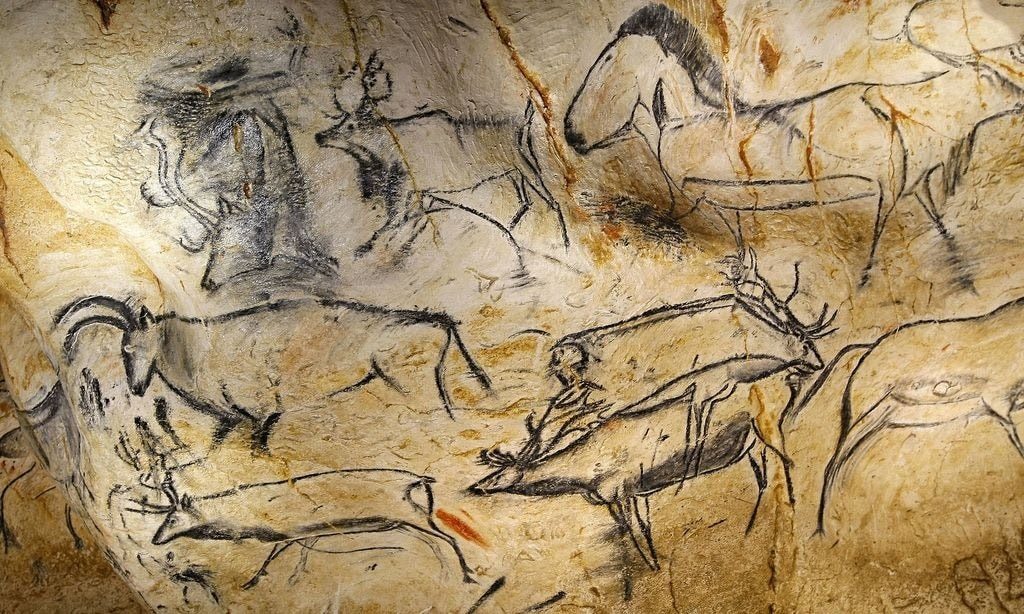
    The Purpose of Art is in cave paintings too.
    Cave paintings in Chauvet-Pont-d’Arc Cave, France

    Purpose of Art – To be, perchance to create
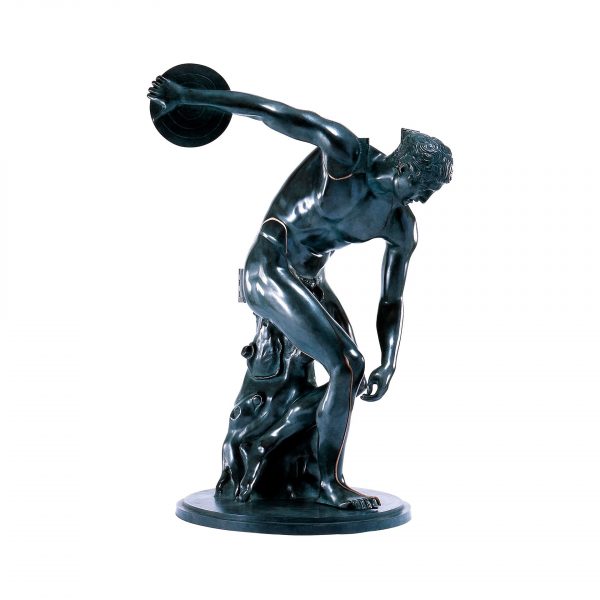
    Arman – Le Grand Discobole 2001

    “Art has no other purpose than to brush aside… the conventional and accepted generalities, in short everything that veils reality from us, in order to bring us face to face with reality itself” Henri Bergson.

    The creation of art is as important as its purpose. Our creation of art is not only a part of our self discovery but a part of our self-therapy. Helping us give physical form to the emotions inside of us. Jackson Pollock once said, ” The modern artist is working with space and time, and expressing his feelings rather than illustrating”. He let the purpose of his art speak through him and created pieces that spoke to his journey of self-discovery. Arman believed that “ Art is a work on memory. It proposes common forms that reflect the world and helps us to think“. He let his work be a testimonial to the world around him. A mirror for the way he viewed the world.

    Art pieces – Reminders of the journey
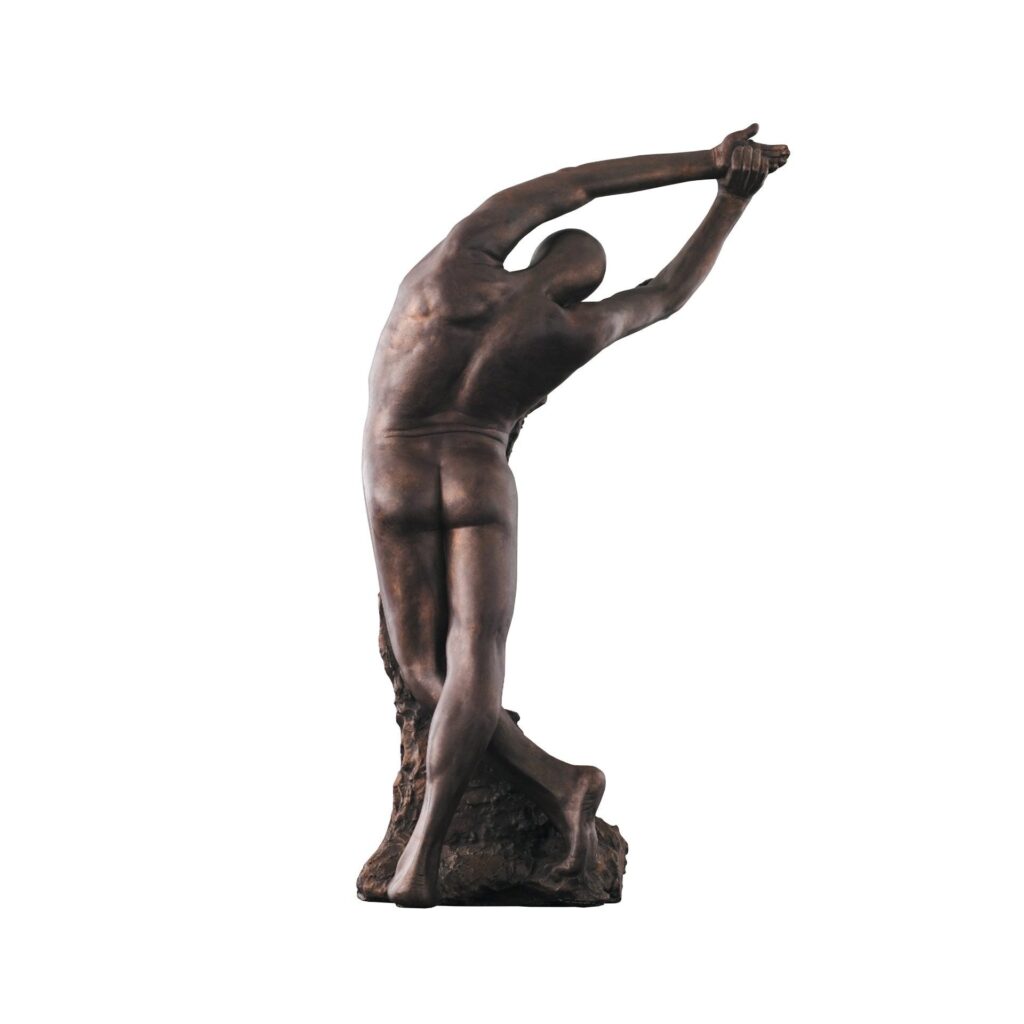
    Desir - Statue by Barbara Soia
    Barbara Soïa – Désir

    However far away the art of the past seems from us today we are still moved by the same desire to create. Even in small children before they learn to stencil their alphabet they are allowed to express themselves through painting. Amazed by the world around them, they use their imagination to explain life as they know it. Artists’ provide insight into their vision; providing us with some clarity of their reality. While we may not all be Claude Monet – the devotion to create and have a piece of art as a reminder of the journey we all are on is paramount to our very existence.

    As Barabara Soïa says “At the heart of uncertainty find the first tenderness. Approach slowly something. A way of feeling alive, being aware of the flowing life, and be there to give the relay to the earth and to the impalpable.” The purpose of creating art or even owning art is that it connects us to one another. How we disclose the inner workings of our thoughts and bring them into physical form.

    Ownership over visitation

    Art in its most base form is a conversation piece. But beyond that, revisiting an art piece on a daily basis is an experience all its own. We step back to a moment in time as our eyes wash over art that spoke to our inner being so instinctually that we simply had to own it. Each time we view our chosen art it brings emotion into our day. Perhaps the emotion is old, perhaps it is new or even a mix of the past and present. Only the art, resting on its laurels in our living space knows the truth it brought to our mind in that singular moment.

    It is neither the artist or the artwork that is truly provoking. But our reaction to it. What it invokes from us. Our shared experiences to artwork is what makes compositions a unique medium. We all experience the same work differently – letting its voice speak to us on an individual level.
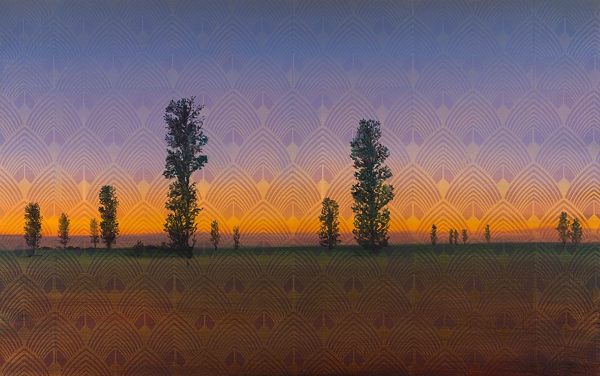
    Olivier Masmonteil – Paysage #5 2018

    Purpose of Art – Art for you

    The purpose of art is the inspiration you derive from it. We have been pooling our creative resources for many millennia. Whether it is the scribbles of your toddler you display on your fridge or Olivier Masmonteil Paysage #5 they speak to us individually and connect us to one another. Whether or not it is terrible, successful, beautiful or a project done in vain is debatable, but it being art is not. Art finds its own truth in the simple fact that’s its creation was nothing short of a human’s desperate need to put their eye to the looking glass of self and show the world what truly lived inside them. This is how we are connected without language and without movement.

    Art is the great unifier able to connect us even if the subject is taboo. In those pieces that we collect, we see ourselves. Art becomes a pause in the middle of our hectic reality, a mirror we can stare into and for once, not analyze the reflection so critically. “The sole purpose of human existence is to kindle a light in the darkness of mere being”. Carl Jung. Art is the light of our mere beings. It guides us and gives us hope, not only for today but also for the future.

    Are you an art lover or an art collector and would like to stay up to date with RDN Arts?
    Join our Mailing List!
  • The Contemporary Pope

    The Contemporary Pope

    The Vatican may not be known for its contemporary art. However, that image is changing.
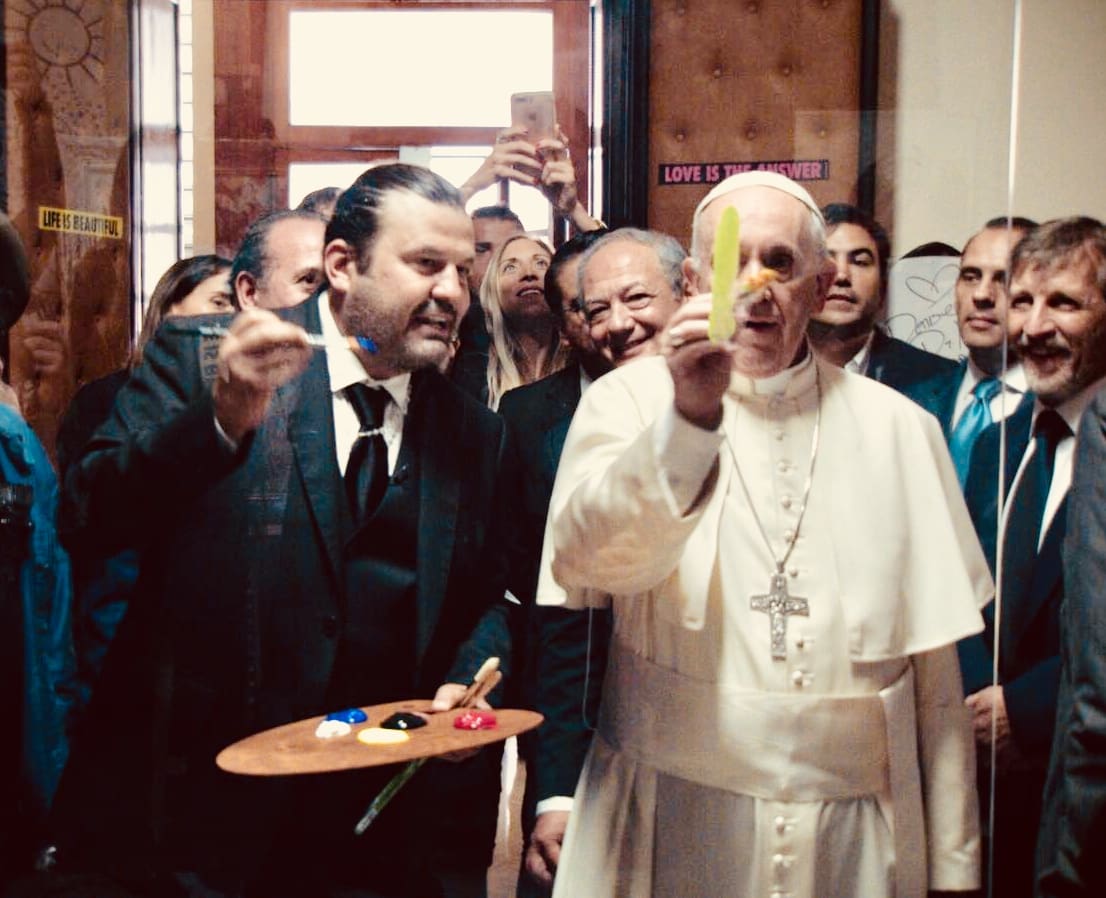
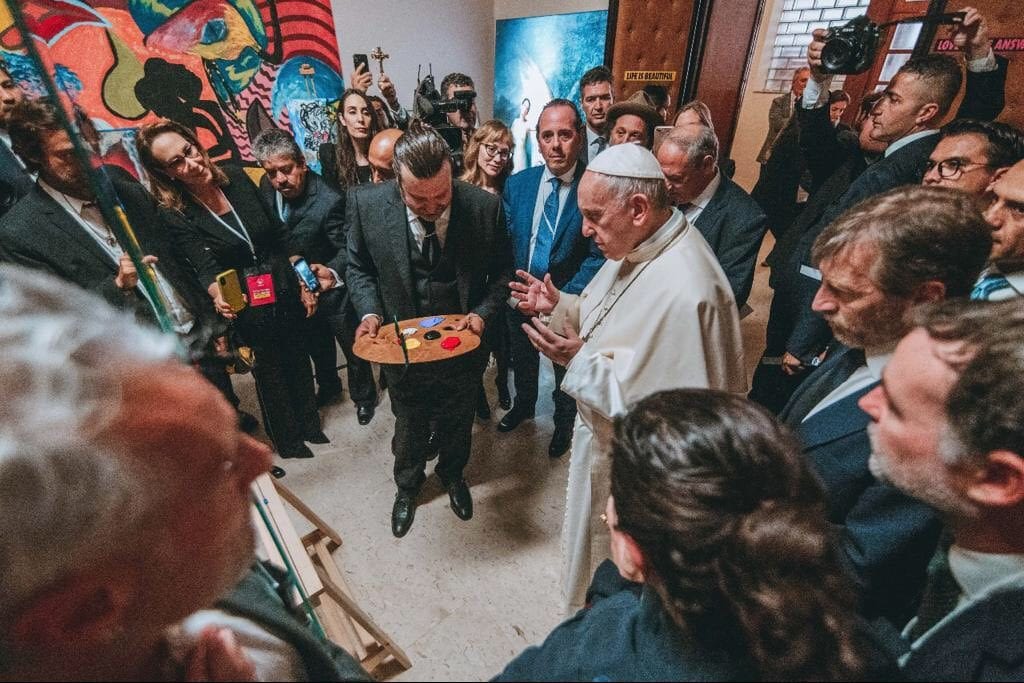
    Meeting with Spanish artist Domingo Zapata and former Banksy protégé Mr. Brainwash the leader of the Catholic Church, Pope Francis, is bringing contemporary art to the Vatican.
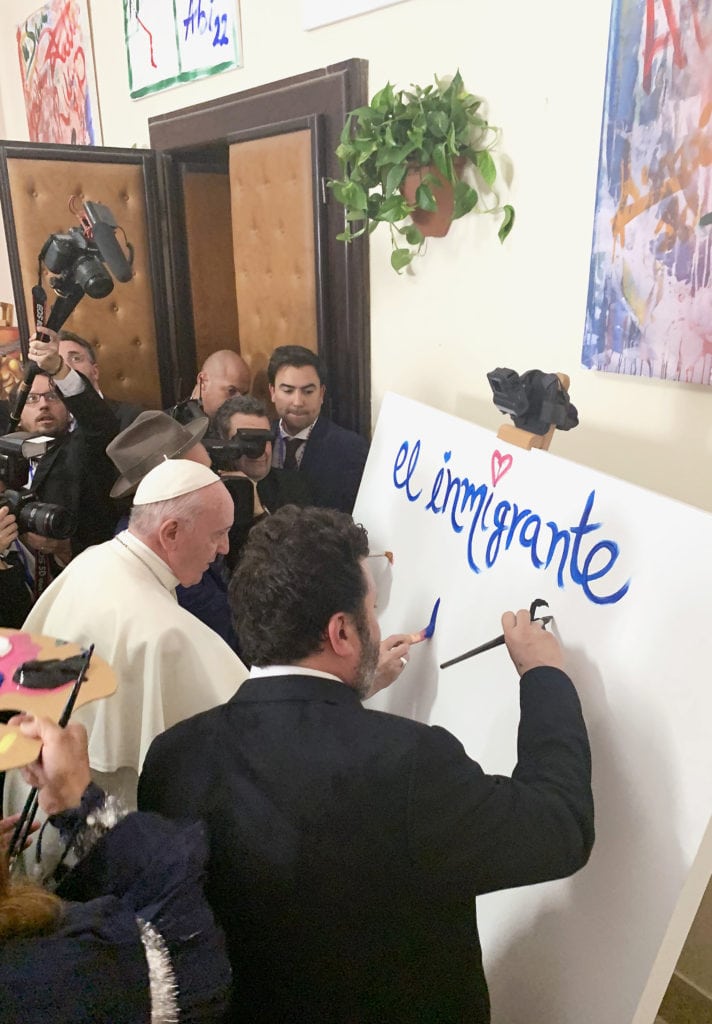
    An unlikely pairing – they’ve teamed up to create a new canvas in celebration of immigrants.

    They’ve come together to create a canvas for charity, in the hopes of bringing awareness to the cause. And while this pairing may seem obscure for a lot of us it is not the first time for the two.
    Initially meeting last May for another charitable matter – Zapata would film and play the encounter on a billboard in Times Square for a month. Graciously, that canvas would go on to sell for $500,000.

    Zapata told Riddle Magazine “I have literally never been as happy as this.
    The Pope painted in front of me. I’m ecstatic about the results”. Naming Mr. Zapata as an ambassador for the Pontifical Scholas Occurrentes Foundation, the pontiff’s organization for promoting arts education. The Pope’s quest to reintegrating contemporary artist into the Vatican seems to be unyielding.

    Ingratiating himself among numerous Hollywood celebrities, Mr. Zapata has now also earned the approval of The Pope. However, he remains on the outskirts of the contemporary art world.

    When the New York Times profiled Zapata in 2013, major galleries and critics were quick to admit their ignorance.
    Said dealer Zach Feuer: “I don’t know who he is.” However, with the benediction of The Pope, the outcome will be different.

    The collaboration made by Zapata, Mr. Brainwash, and Pope Francis will be sold at an auction to benefit the pontiff’s art foundation in the future.

    The Progressive Pope

    Pope Francis painting with Zapata
    Pope Francis painting a canvas with Domingo Zapata


    The Pope’s progressive views on art or polarizing subjects isn’t a new phenomenon.
    Historically perhaps the world’s most important art patron, The Pope hopes to once again work closely with contemporary artists.

    At the 2017 press screening of the film Pope Francis: My Idea of Art Barbara Jatta, director of the Vatican Museums noted “The art of mercy is truly Pope Francis’s idea of art. It is art that is directed toward the humble”.

    Writing in his book, “The Vatican Museums have to be the most beautiful place and the most hospitable. It must throw open its doors to the world,”.
    Observing the teachings of the Bible, the poor’s inability to pay should not prevent them from seeing the church’s impressive art collection.

    Heralding in more accepting vision for The Catholic Church is not always easy – but The Pope has taken it all in stride.
    Rather than adhere with old traditions he has taken to the old message with a fresh voice and new eyes. Supporting those who would otherwise be marginalized.
    Not only with compassion and kindness but by taking an active role in raising awareness and funds to their plight.

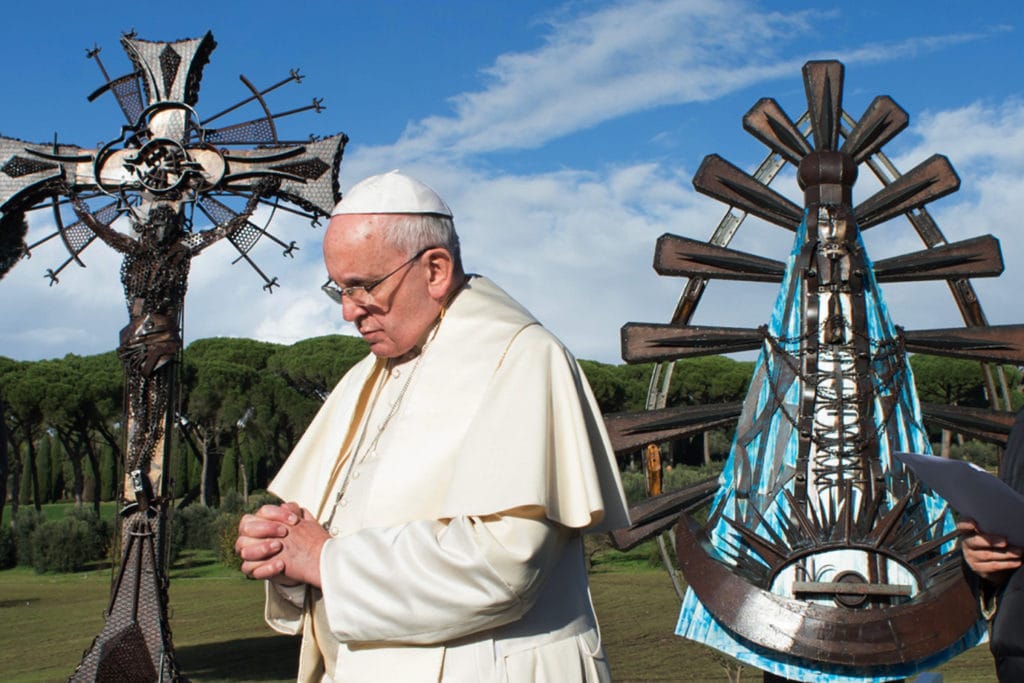
    Pope Francis in Castel Gandolfo with two statues by Alejandro Marmo
    Pope Francis in Castel Gandolfo praying in front of two statues by Alejandro Marmo © L’Osservatore Romano
  • Leonardo Da Vinci the Sculptor

    Leonardo Da Vinci the Sculptor

    Long thought to be a copy of a lost original, veiled with overpainting, Leonardo Da Vinci’s Salvator Mundi sold for a record-breaking $4.3m.
    The original renaissance man, Da Vinci is regarded as one of the greatest painters of all time.
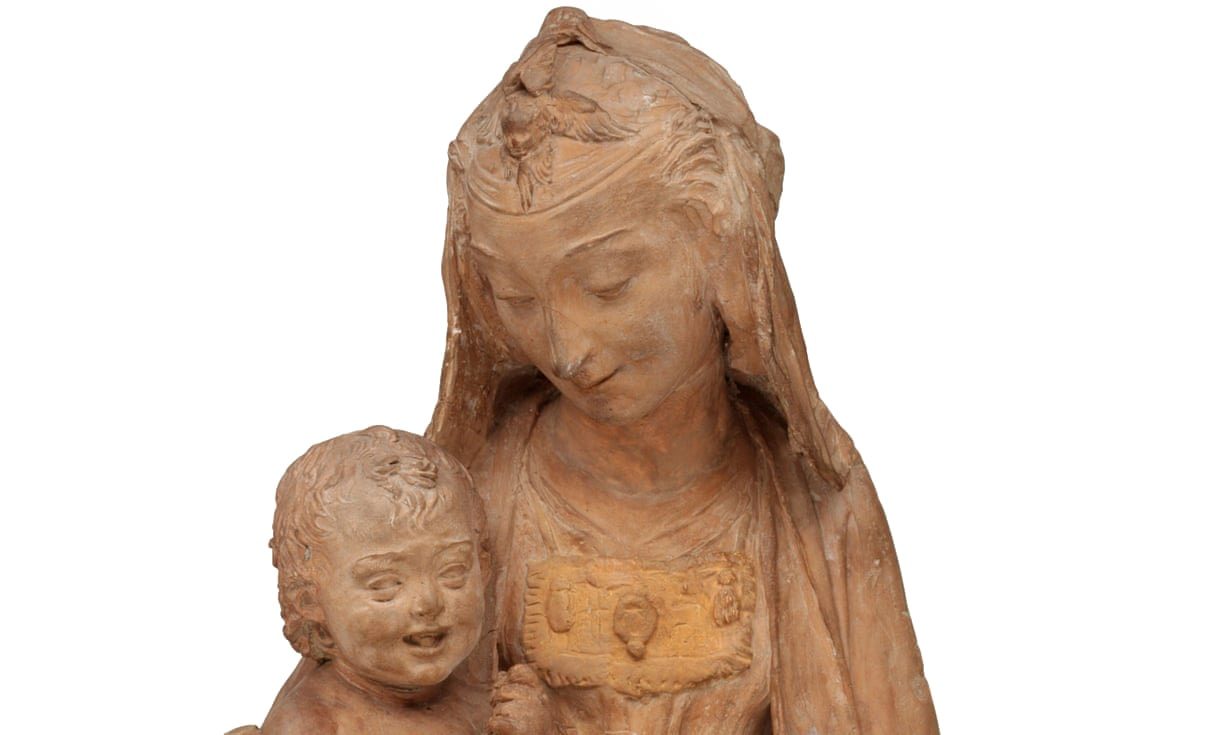
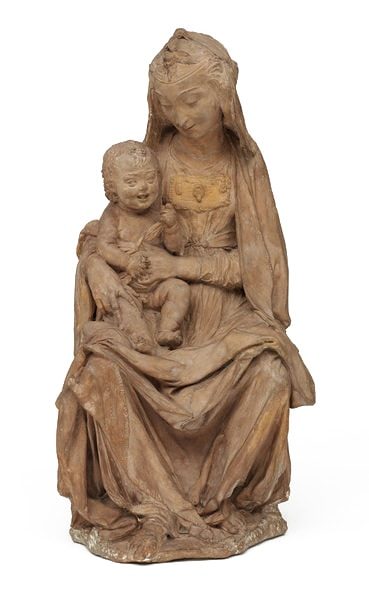
    Similar to the Salvator Mundi a recently re-discovered sculpture – The Virgin with the Laughing Child is showcasing Da Vinci ability as a sculptor.

    The Salvator Mundi in some ways is a much larger find than The Virgin with Laughing Child. However, standing at 50cm, the sculpture equally likable.
    But, most shockingly the biggest find of the century is not for sale.
    The well-preserved terracotta is simply lovely.  Inspired by Verrocchio, the fire-clay piece is labor intensive.
    Hard to manipulate, you can practically feel the artist’s fingers shaping the Madonnas tender curls.
    The frolicking cupids shaping baby Jesus’ mouth are uniquely Da Vinci.
    While it does not rival the Mona Lisa it is clear that this piece shows the beginning stages of Da Vinci. This piece is an insight to 20-year old Da Vinci as he begins to find himself, and his artistic voice.

    Young Da Vinci: a visionary artist

    Clearly, in his early stages, it is evident that Da Vinci was a visionary.
    A laughing baby Jesus is virtually unheard of in the 15th century.
    Unlike his colleagues, Da Vinci broke with tradition and chiseled Madonna and child pleasantly.
    Da Vinci chose to create a sculpture of the infant as happy and joyful and.
    Later, Da Vinci states in his journals that this would be a point of contention for him. Undeterred, he would continue to paint Jesus as a cheerful child playing with a baby lamb, or his playmate John the Baptist.

    As the only surviving sculpture it has naturally become an international sensation. Experts in the UK have a special interest in the piece. Former British Museum director John Pope-Hennessy was disillusioned at the time, and therefore, incorrectly identified the piece.
    The recent reexamination of the piece will serve as clarification and above all, it credits the correct artist. Shedding fresh light on the sculpture is Francesco Caglioti, an Italian academic who is leading the new attribution.

    Caglioti a professor at Naples University, is also renowned among Renaissance experts for his unparalleled mastery of 15th-century sculptures. In addition to his many accolades, he is also an art history prodigy. Completing a catalog of the Musee du Louvre when he was eight years old.
    He shares a special interest in the sculpture with other captivated art historians.

    The cryptic smile of Virgin Mary

    According to Caglioti – 19th century Victorians had no difficulty seeing the sculpture as a true Da Vinci. Noticing the obvious cryptic smile chiseled into The Virgin Mary face as she looks down on the Christ child in her lap. Clearly, that look is the prototype for the smile that has captivated millions the world over – The Mona Lisa.

    Pope-Hennessy, a prominent 20th-century art historian proclaimed the sculpture was a Rossellino. Hence laying the matter to rest. Caglioti states there was no real evidence that it was a Rossellino. Declaring, Pope- Hennessy promoted the work as Rossellino “at his whim”.

    Supporting the claim was Carmen C. Bambach, of the Metropolitan Museum in New York.  Journalists were amazed at the press viewing of Verrocchio: Master of Leonardo. The 50cm- tall clay sculpture is impressive as it sits in its glass case. Caglioti explains his theory to the journalist carefully, on why the sculpture was 100%, Da Vinci to reporters from around the globe.

    Similarities between drawings and the sculpture

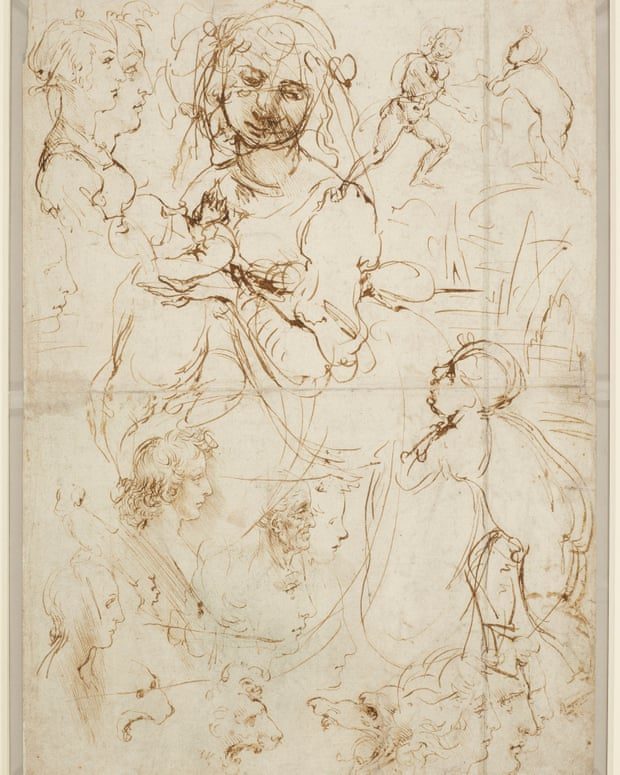
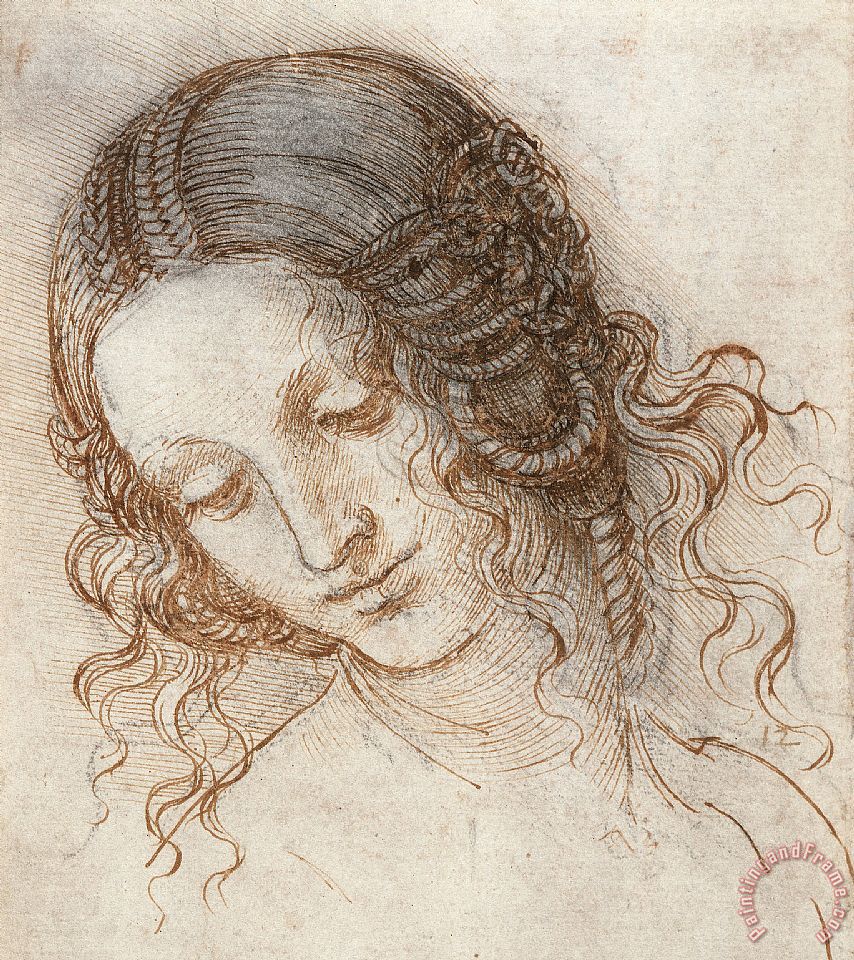
    Armed with a collection of drawings as proof showcased in the Strozzi exhibition – Caglioti and Bambach drew upon the similarities between the sketches and the sculpture. The drapery flowing over Madonna’s legs are similar to the designs and drawings Da Vinci was working on at the time. In addition to the lifelike qualities of the Christ child’s face. All which are overwhelming characteristics of Da Vinci qualities and these are evident over the centuries.

    Continuously cautious the Victoria and Albert Museum offers us this: “A potential attribution to Leonardo da Vinci was first proposed in 1899, Professor Caglioti’s study opens up the discussion of its authorship afresh. ”The Virgin with the Laughing Child is unique in dual facets. As the sole surviving sculptor of a genius artist, it has gone unforgivably under the radar until now.
    Above all though, this playful sculpture serves as a cheerful reminder that the past still has much to offer us.

  • The Breitweiser Heist

    The Breitweiser Heist

    Stephane Breitwieser, along with the aid of his mother Mireille Stengel and longtime accomplice and girlfriend Anne-Catherine Klienklaus are the three of the most successful art thieves in modern history. Mainly because they kept what they stole.
    Art thieves scourer the black market in hopes of cashing in on priceless pieces. While stolen art is risky – the reward is often worth it. In an industry where cash is king, their story is quite different.  Sometimes alone, but often with his girlfriend, Breitwieser stockpiled a private collection of stolen art objects. Some, worth more than a billion dollars.
    Hoarding it away in their living quarters of his mother’s house in the Alsace. The sleepy border town where they lived provided access to both Germany and Switzerland – where most of their heist took place.

    Still life by Jan van Kessel the Elder, stolen in Belgium, Breitwieser says attracted him “like a lover.”
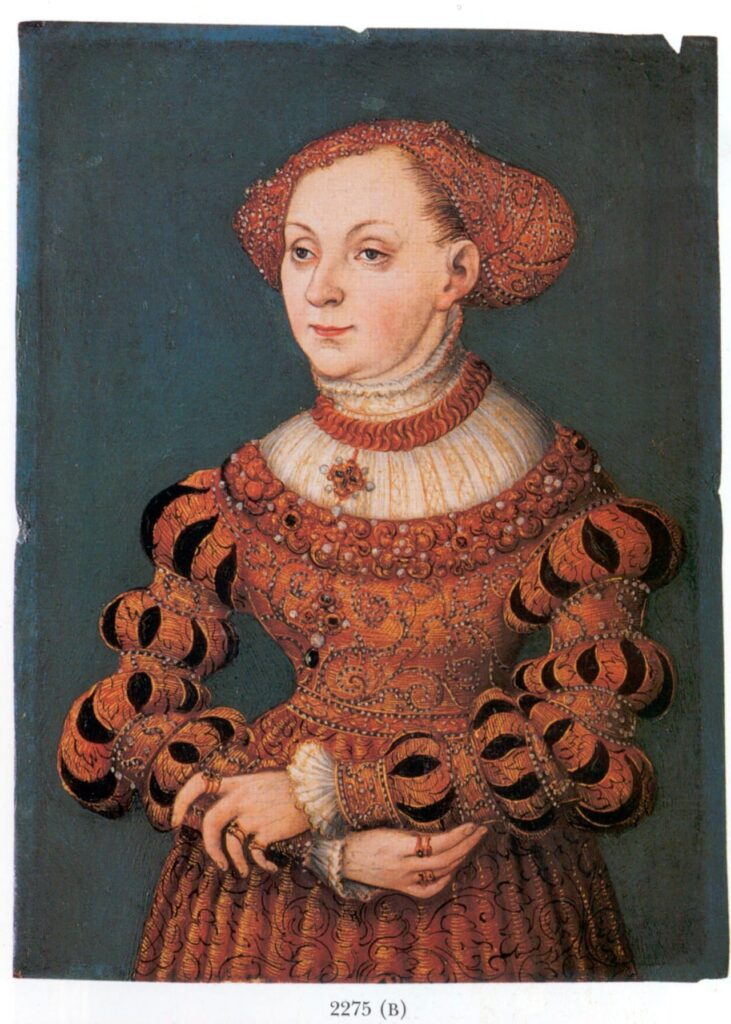
    The most valuable piece in Breitwieser’s collection: Sibylle of Cleves by Lucas Cranach the Younger, worth roughly $4.8 million

    Because of  Breitwieser’s unyielding and obsessive love for his stolen pieces they never reached the market. Making not so much of a “career” from his theft, and more of a dangerous and illegal hobby. Breitweiser devasted by the loss of his collection was a man without direction.
    Never fully recovering from his loss; his relapse was inevitable. Breitweiser served time in  2005 for the theft of a painting by Pieter Brueghel the Younger. Breitwieser was once more arrested last month, the final act of a police sting dating back to 2016.

    François Boucher’s ‘Sleeping Shepherd’

    2001 capture

    During his 2001 arrest, his mother Mireille Stengel, in a combination of fury and admiration for her son destroy most of their collection. Stengel and Kleinklaus, cowardly and with wanted abandon marooned the majority of their collection in the nearby canals. Resulting in Breitwieser serving an insubstantial four years for the theft of over 200 objects. Of those priceless pieces, 140 found in the canal. Stengel and Kleinklaus also served jail time for the attempted destruction of those pieces – some valued in millions.

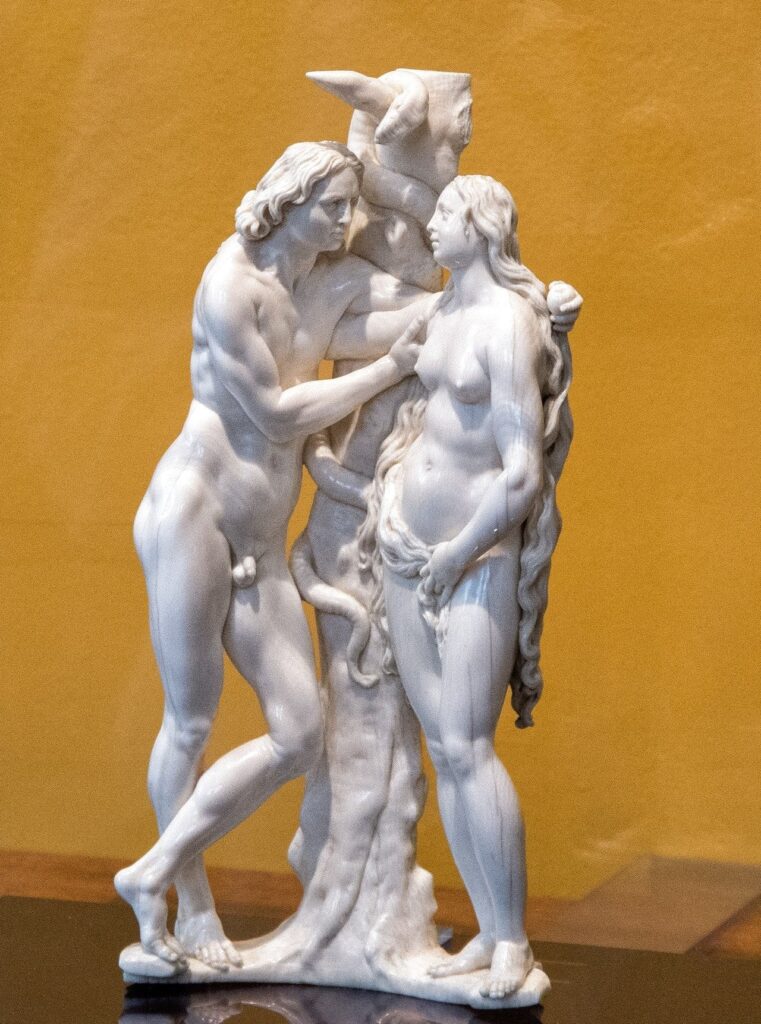
    Stolen -and returned- Georg Petel’s ivory sculpture of Adam and Eve

    Breitweiser’s tale is one of daring, cunning and a cumulation of wit sheer nerve.
    Not inclined by the thrill of grand larceny, I can not imagine having the talent to pull off anything on the scale of Breitweiser.
    Given the opportunity though, I think “The Star” by Edgar Degas would look splendid over my mantlepiece.

  • The 7 most expensive Artworks sold in 2018

    The 7 most expensive Artworks sold in 2018

    The 2018 year in sales, fortified investors from Asia as a powerhouse; their strength and buying
    power exalting them to the haute tier in the auction world, by not only securing major sales in New York but by also showing their buying power in the sales in Hong Kong and Beijing markets.
    Collectors battled over furniture and paintings from the collection of Peggy and David Rockefeller which turned over $832.6 million – the most for any estate.
    While 2018 may not have seen the same record-breaking numbers in art sales as years past Leonardo da Vinci Salvator Mundi sold for $450.3 million in 2017, last year’s sales still show a vigorous market for
    major artists.

    Artist/Producer/Mogul Diddy made history spending $21.1 million on Kerry James Marshall’s
    “Past Times” making him the most expensive living black artist.
    Jenny Saville became the most expensive living female artist when her work sold for $12.4 million proving that some of the biggest stars can be found in the most obscure places.
    Those are the seven most expensive paintings sold in 2018:

    Amedeo Modigliani, Nu Couché ( Sur Le Côté Gauche), 1917

    Sotheby’s New York, May 14 2018 ($157,159,000)

    While Asian collectors failed to substantiate the work, as it could not obtain a higher bidder in
    the salesroom or on the phones; the Modigliani still sold at a staggering price setting another
    record for the Sotheby’s house in London. The coveted reclining nudes of Modigliani’s rarely
    come to auction; Sotheby’s auction house cosigned with John Magnier, heralding it as the
    largest pre-sale estimate in auction history at $150 Million. The Modigliani was subsequently
    the most expensive thing sold at Sotheby’s when it went decisively to the pre-sale bidder.

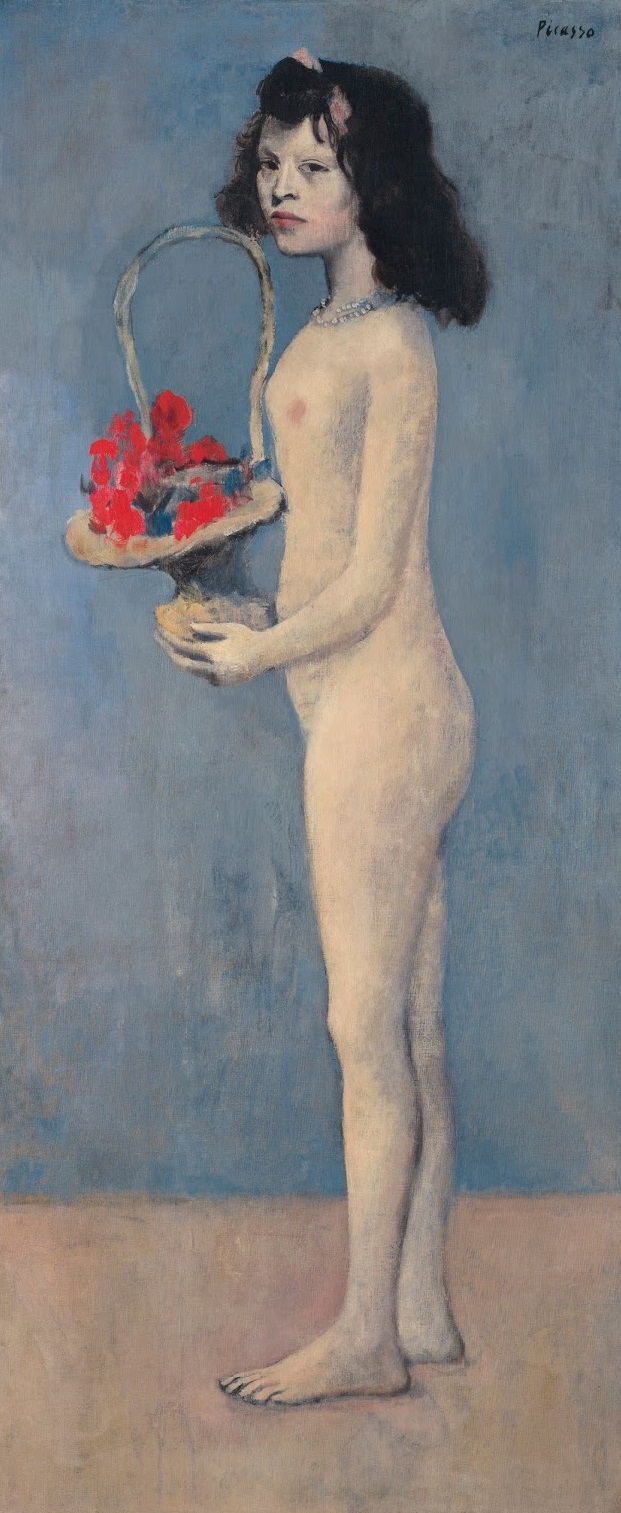
    Pablo Picasso, Fillette à la Corbeille Fleurie, 1905

    Christie’s New York, May 8, 2018 ($115,000,000)

    The rare Pablo Picasso masterpiece which carried a $100 million estimate price; with extreme prestige having been purchased from the Gertrude Stein estate from David Rockefeller it was well within reason. Perhaps it was the contents of the painting itself, an indelicate subject for some bidders, consequently making the potential pool of collectors and buyers limited.
    During “the sale of the century” there was one lone bidder on the telephone for the piece, from post-war and contemporary head Loïc Gouzer, purchased at $102 million, $115 with fees.
    Revealed by the New York Times, it was purchased by the Nahmad Family, and the prominent dealer-collectors loaned the work to the Musée d’Orsay in Paris to be shown on exhibition this fall.

    Edward Hopper, Chop Suey, 1929

    Christies New York, November 13, 2018 ( $91,875,000)

    Many believed the exemplary work would most likely make its way to no less than $100 million but the instantly recognizable masterpiece by Edward Hopper – Chop Suey was estimated to sell for $70 million. It later sold for drastically higher than the estimated price with copious amounts of fanfare – bidders watched the animated back – and – forth between Eric Widing, the Christie specialist who worked diligently with Barney Ebsworth to build his collection and Gouzer.
    When the final hammer fell, it was Gouzer who won the lot at $85 million.

    David Hockney, Portrait of an Artist ( Pool with Two Figures), 1972

    Christie’s New York, November 15, 2018 ($90,312,000)

    With an opening of $18 million from Jussi Pylkkänen creating a rush of bidding on the phone and in the salesroom. The battle continued between four Christie’s specialist before the hammer fell at $80 million the exact pre-sale estimate to Marc Porter. With fees, the final price was $90.3 million, crowning Hockney the world’s most expensive living artist.

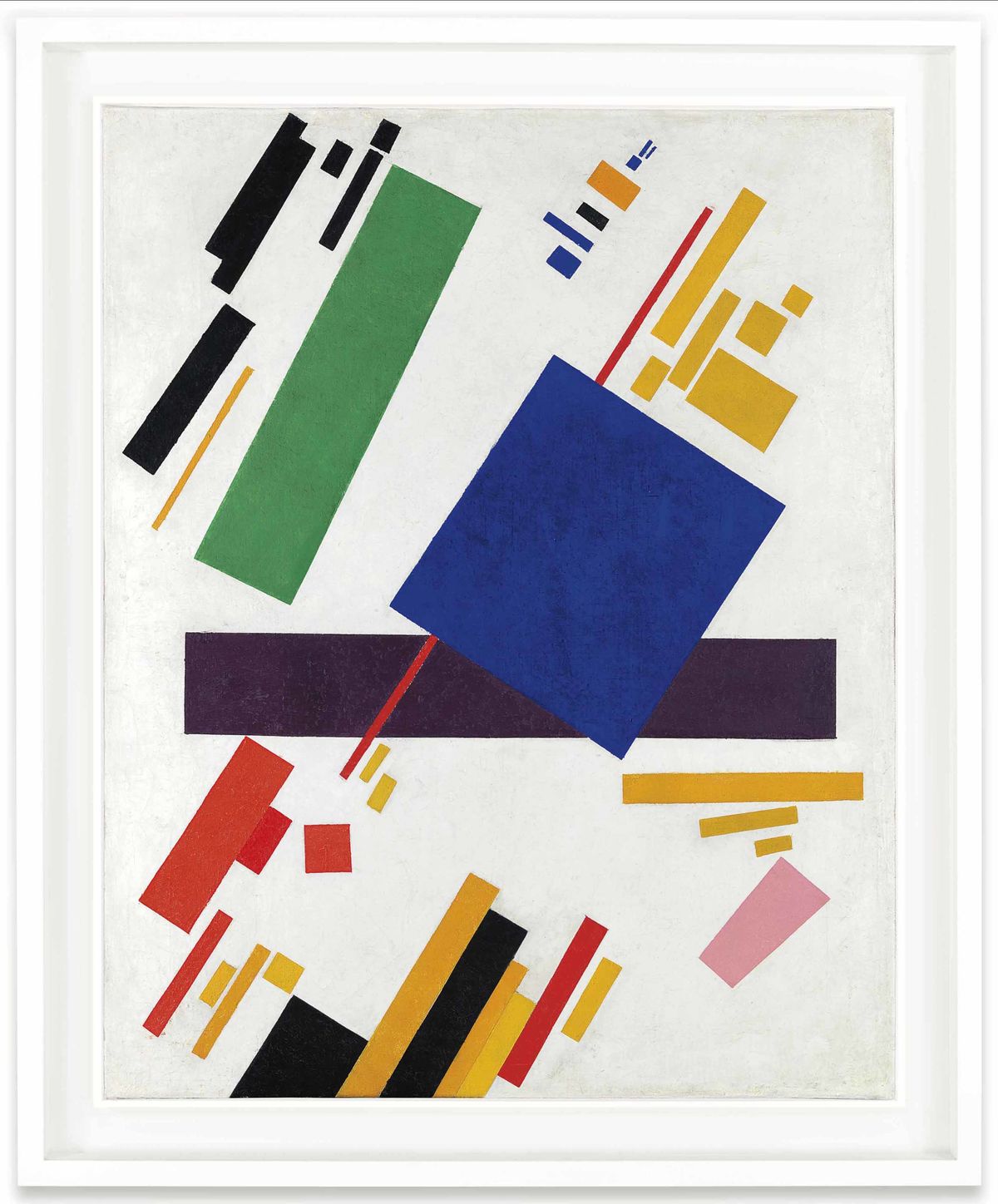
    Kasimir Malevich Suprematist Composition, 1916

    Christie’s New York, May 15, 2018 ( $85,812,500)

    Purchased at Christie’s by Brett Gorvy the house’s former post-war chairman and present co-owner of Lévy Gorvy. The Russian masterpiece sold for $76 million – $85.8 with buyer’s fees.
    This rare piece from Russian artist Kasimir Malevich may only measure 2 feet by 3 feet, but it boasts a lofty price per square inch – $99,320. The price coming in at over $70 million sets a new record for the Russian artist.

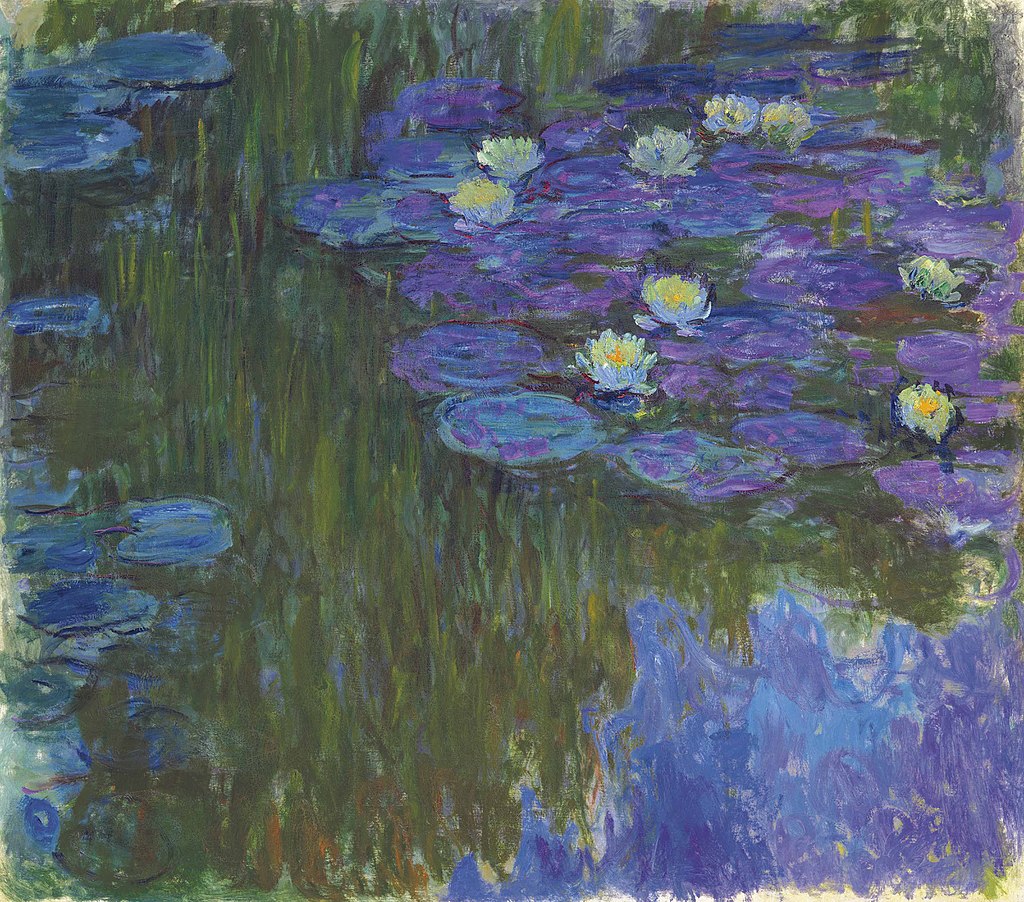
    Claude Monet, Nymphéas en fleur, ca. 1914-17.

    Christie’s New York, May 8, 2018 ($84,617,500)

    Claude Monet has captivated the Asian market in recent years, with the addition of the
    Rockefeller origin esteem helped convince one buyer from the region to break the artist’s
    record last May. Estimated at $50 million, Nymphéas en fleur overshadowed that when Xin Li
    Cohen out-bid her fellow Christie’s special and won the lot at $75 million.

    Henri Matisse, Odalisque couchée aux magnolias, 1923

    Christie’s New York, May 8, 2018 ($80,750,000)


    With another record-setting sale from the Rockefeller collection – the Matisse was also relinquished to
    Xi Li Choen on behalf of a phone bidder.
    The hammer fell on $71.5 million, just over the estimate of $70 million as Cohen outbid Gouzer to again give the victory to an Asian collector.

  • The Rise of Yayoi Kusama

    The Rise of Yayoi Kusama

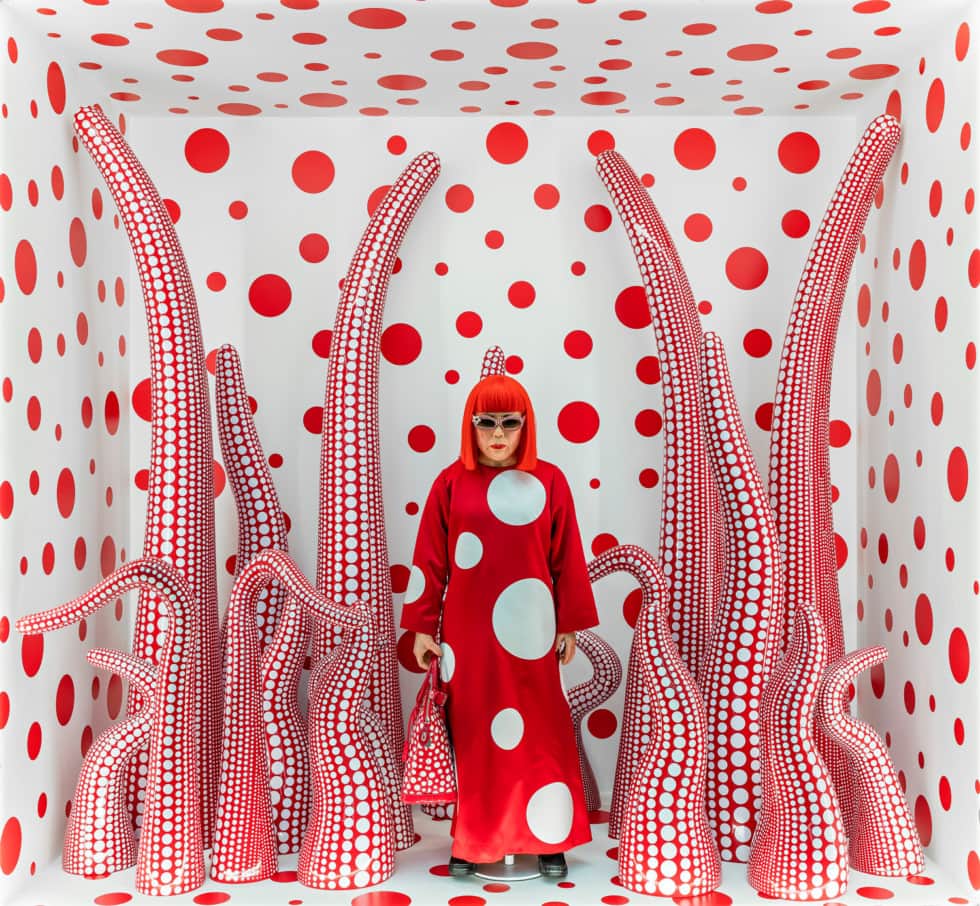
    Kusama and the Polka dot

    “Bring on Picasso, bring on Matisse, bring on anybody! I would stand up to them all with a single polka dot!”

    Yoyoi Kusama

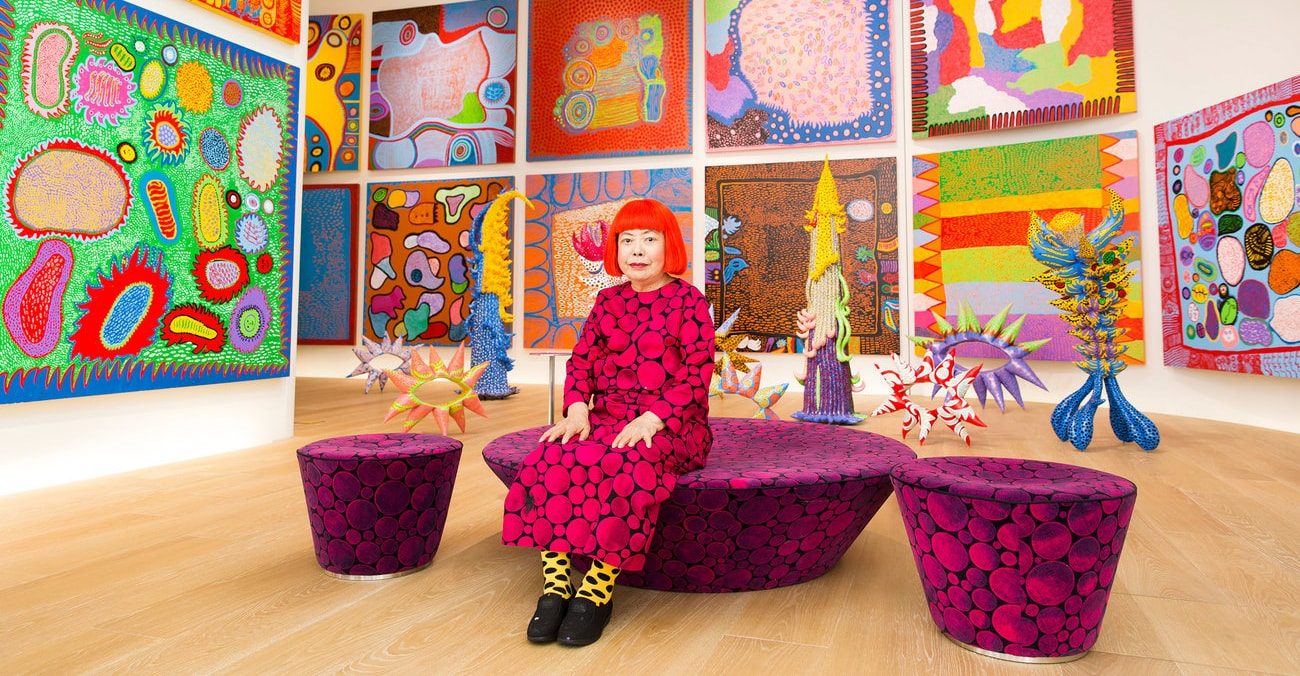
    What changes the history of art? For Yayoi Kusama, it was a single object: The polka dot.
    During the beginning of her career in New York, the artist decided to best way to capture the imaginative scene of 1957 was to apply the motif to paper, walls, canvas and even her own naked body.
    And thus, Kusama became just as persuasive with her polka dots as that of her male predecessors.
    For her works beginning in the 1950s, we have brilliant displays of monochromatic canvases filled with tiny dots, like the “Infinity Net”. Sculptures beaming with the troves of flowers and soft objects that can only be referred to as phallic.

    She helped pioneer performance, installation, and Pop art, to all the while paving the way for the Minimalism movement that would soon shape modern art of the day.
    The Kusama experience brought nude dot-covered people to crowded corners of New York, including Times Square.
    While her installations have stood the test of time and cultural reference, they still boast as heavy tourist attractions – and always provide the noteworthy with an instagrammable moment.

    From Japan to United States

    Always a keen expression of her life and most notably her own obsessive-compulsive neuroses Kusama has said that; “My desire was to predict and measure the infinity of the unbounded universe, from my own position in it, with dots”.
    During 1977, she relied on a Tokyo sanatorium for treatment of her compulsions, where she continues to live and make art.
    Upon leaving her native Japan for the United States in 1956 Kusama had already begun her practice of dot-making.
    The repetitive covering of paper with diminutive marks fed her love of art. Also helped her cope with the stress-induced hallucinations she’d experienced from a young age.
    “By translating hallucinations and fear of hallucinations into paintings, I have been trying to cure my disease”, she explained in a 1999 interview. “I wanted to be completely detached from that and start a new art movement,” Kusama has said.

    New York solo exhibition and Affirmation

    By 1959, she and her tiny dots became subject of her premiere solo New York exhibition.
    She created an immediate sensation, solidifying herself with a rave review from a then leader of the Minimalist art wave.
    It was her craftsmanship that created the bridge between Abstract Expressionism and Minimalism, writer Grady T. Turner has pointed out, poignantly that it was “avant-garde aesthetics” and the “hallucinatory images” that consumed Kusama’s own mind.

    Yayoi Kusama in her Phalli’s Field infinity room in 1965. Art dealer Richard Castellane says Kusama “shocked the living daylights out of people” with her

    In a 1961 article titled “Under the Spell of Accumulation,” Kusama has described her apparitions: “I gradually feel myself under the spell of the accumulation and repetition in my ‘nets’ which expand beyond myself, and all over the limited space of canvas covering the floor, desk and everywhere,”.
    Over the span of her life, Kusama has continued to make “Infinity Nets.”
    They have varying degrees in size and color they all remain the boast of what she refers to as her “obsessional” practice.

    Kusama and Infinity Mirror rooms

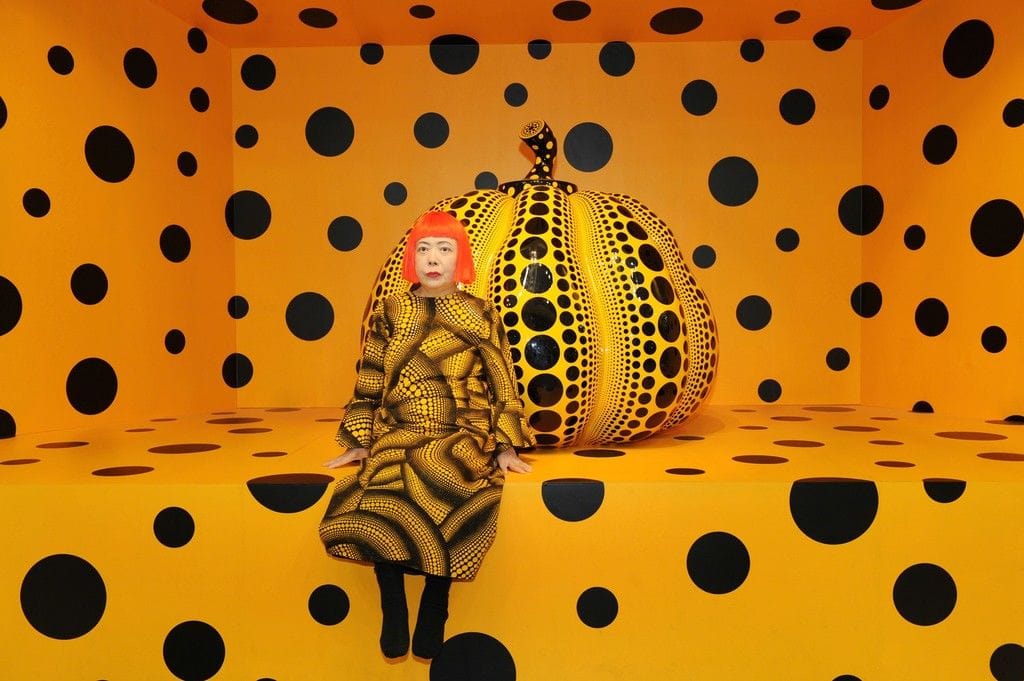
    All The Eternal Love I Have for the Pumpkins, 2016 © Yayoi Kusama

    In the last 54 years, Kusama has produced over 20 “Infinity Mirror” rooms. More recently they’ve become the major draw of Kusama retrospectives, converting observers to a kaleidoscopic black hole of shimmering dots, all the while providing the perfect landscape for a likable selfie.
    Apart from her most noteworthy polka dots, she is almost as famous for her take on pumpkins. 
    Placing them in drawings, paintings, installations, and sculptures throughout her career.
    Making their debut in 1946 the Kusama pumpkin made its premiere 10 full years before her entry into the New York art scene and her meteoric rise to fame.

    Not until the 1970s, did pumpkins reappeared in her work, notably as a means of fusing abstraction and representation.
    Curator Catherine Taft reveals “They filled her canvases with an almost “anthropomorphic presence,”. Kusama has portrayed the motif humanistically in a 2015 interview “I love pumpkins because of their humorous form, warm feeling, and a human-like quality,”. And thus has been synonymous with her practice.
    So much so that during the run of her installation at the 1993 Venice Biennale, she handed out little sculptural pumpkins to visitors.
    Expanding on her works she’s reproducing the vegetable in another adaptation of her most famous – polka dots.
    The largest of these installations sits in her native Japan, gracefully in Naoshima, an island completely covered in art.
    Kusama today at 89 continues to spread her art and her ever-growing polka dots around the world; through the sculptures and painting, they cover.

    Louis Vuitton shop window display © Yayoi Kusama/Louis Vuitton.
  • Strazza: more than the Veiled Virgin

    Strazza: more than the Veiled Virgin

    Throughout galleries around the world are sculptures made of marble – a favored medium by sculptors.
    Marble is a unique material where while hard, still offers translucency and softness not found in other stones. For this reason for over millennia, sculptors have used the embolic rock for pieces that required a delicacy in showcasing anatomical subtleties, soft drapery and intricate detail.

    The Veiled Virgin, a 19th- century work by Italian sculptor Giovanni Strazza is an outstanding example of how this subtle stone truly transforms.

    Historians believe Strazza, a sculptor from Milan crafted this piece in Rome during the 1850’s – and while little more is known about The Veiled Virgin the piece is an exemplary illustration of what happens when marble is really tested.

    The emblem of Italy – a work truly wondrously engaging the sculpture is a true test of devotion.

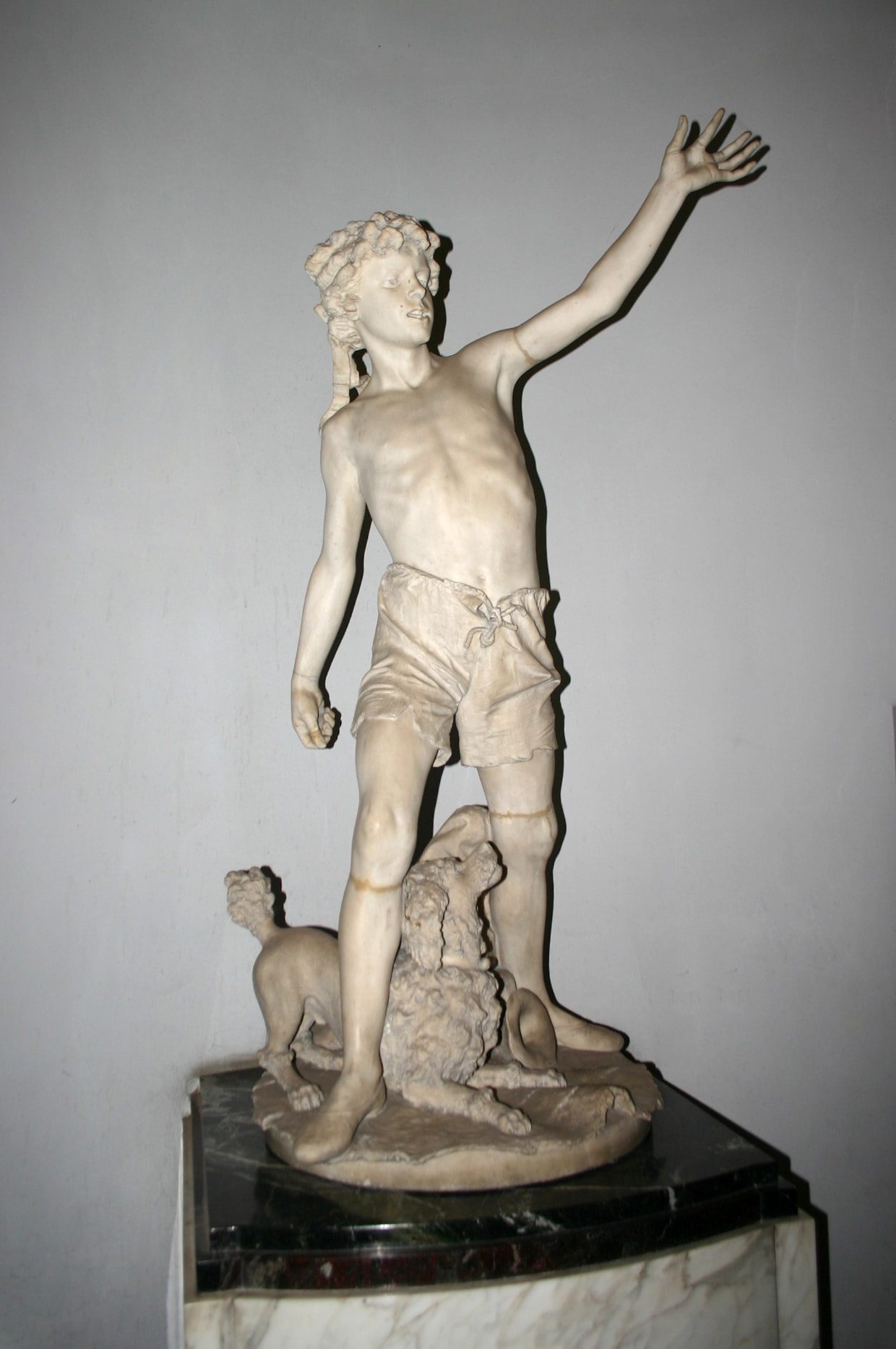
    Strazza created other works during his sojourn in Rome,- L’audace Righetto (1851) is another example of his expertise with stone.
    The depiction of a young boy and his dog – moments before their demise in an attempt to stop a bomb in defense of the Republica Roma. Such political sculptures are littered through Rome during the Unification Risorgimento.

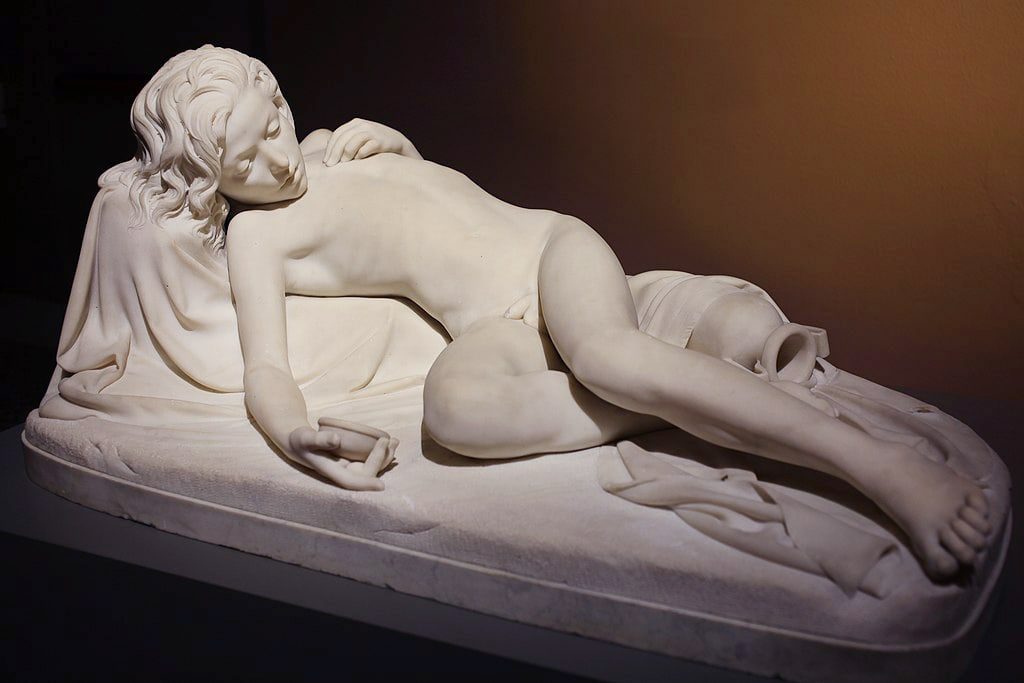
    Other examples of Strazza’s finesse with marble includes Ishmael Abandoned in the Desert. While the Veiled Virgin remains Strazza’s most influential piece he was much more than that – returning to Milan to take up the Sculptor Chair at the Academi de Brera where he studied previously passing it on upon his death in late 1860.

    The Veiled Virgin is still on display at the Presentation Convent, where it still fascinates spectators the world over.

  • School haus Rock

    School haus Rock

    “Multicoloured is my favorite color.”

    Walter Groupis

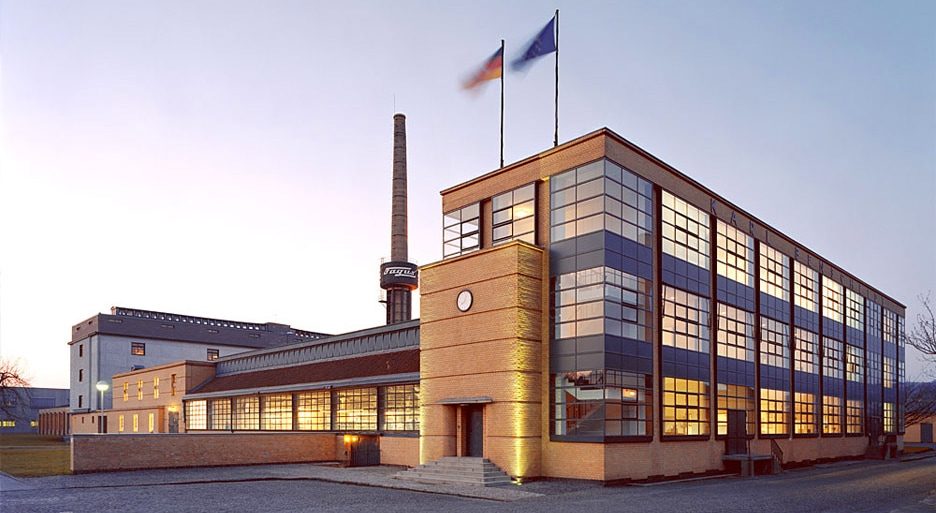
    Born in Berlin in 1883; Walter Groupis was the lead architect and designer behind the now famous Bauhaus.  Groupis, always the innovator was never one to settle for one train of thought or the other.
    He used to respond “Multicoloured is my favorite color.” when, as a child, somebody asked about his favourite color.
    A consummate collaborator he had an inclusive view of life’s possibilities.

    Walter Groupis

    The inspiration for The Bauhaus movement sprung from his time on the western front during the first world war. Realizing that “the old stuff was out” – the only way possible for him was to begin a new. Using the Bauhütte, a medieval stonemasons’ collective, a group comprised of expert craftsmen and artists working together towards a common goal.
    The initial manifesto of the Groupis Bahaus stated: “Together let us desire, conceive, and create the new structure of the future, which will one day rise toward heaven from the hands of a million workers like the crystal symbol of a new faith.”

    The famous staircase in Weimar Bauhaus school
    The classic Bauhaus signet

    Throughout the years he procured a variety of multitalented teachers. Those included László Moholy-Nagy, Marcel Breue, Paul Klee, Johannes Itten, Josef Albers, and Oskar Schlemmer.
    While he had plenty of artistic egos to compete with, he saw creative differences in opinion as its own art form.
    Gropius imagined the Bauhaus as a place of creative discussion, a healthy debate was in its essence art.
    The school dissolved its tensions between artists with now-famous costume parties.
    While there were several other progressive art schools in Europe none of them held a candle to Bauhaus’s commitment to creative expression and freedom.
    The whole concept of the art school as a place of rebellion started here.


Our Content.
Your Inbox

Join thousands of art lovers

Receive art news, market analysis and updates about new artists on the website

By subscribing you agree to receive RDN Arts emails. Unsubscribe at any time. Privacy Policy.