Author: xerkss

  • Banksy’s oil paintings up to auction for £ 1.2 million

    Three of Banksy’s oil paintings that refer to the European migration crisis are up to a charity auction that raises funds for a hospital in Bethlehem. The value of the works, entitled Mediterranean Sea View 2017, ranges between £ 800,000 and £ 1.2 million.


    Banksy’s oil paintings: Mediterranean Sea View

    The anonymous Bristol street artist portrayed romantic seascapes in the 19th-century style. But he added life jackets and buoys to represent the death of migrants who have attempted to reach the European coast in the last decade.
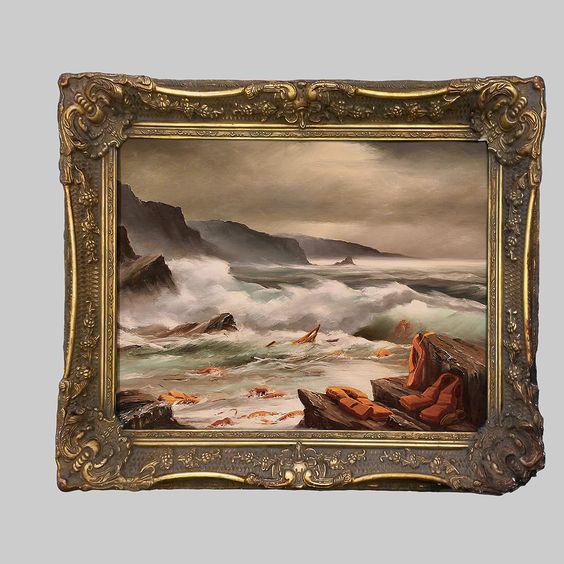
    Banksy created the triptych of paintings for his hotel in Bethlehem. The hotel, called The Walled Off Hotel, which contains a museum and gallery. Overlooking the walls of the West Bank that divides the city, the hotel calls itself “having the worst view of any other hotel in the world”. It is also full of original Banksy artwork.

    The auctioned work reflects the social and political conflict of modernity. The triptych is comprised of three romantic-era Mediterranean Sea landscapes, to which Banksy added life jackets thrown on the coast, referencing the victims of the 2010 migration crisis in Europe, when thousands of people died.

    The works will be present at Sotheby’s evening sale. The proceeds will go to the Bethlehem Arab Society for Rehabilitation. They will be used to build a new unit for acute stroke and the purchase of equipment for the rehabilitation of children.

    Banksy: a creative language that speaks to everyone

    The mysterious artist never ceases to surprise its public. In fact, a few weeks ago, he was again at the center of the press attention.

    Just ended the lockdown in the UK, and Banksy immediately rushed out to make a new work. In particular, in the London underground, the wagons were stormed by a gang of rats. These launched themselves from the ceiling using surgical masks such as parachutes, and sneeze splashes of paint. An original way of inviting passengers to maintain social distancing.

    https://www.instagram.com/p/CCn800cFIbe/?igshid=j5tfx8vapbu9

    The last work of the mysterious artist, however, disappeared from the London underground. The Transport of London, the company that manages transport in the English capital, announced it. According to the Tfl, the drawing was “unconsciously canceled by the cleaners”. An epilogue with a hint of irony, given that Banksy himself had disguised himself as a sanitation officer to create the work, entitled “If you don’t mask, You don’t get”.

    Among the world’s best known contemporary artists, Banksy is certainly the most “pop”. His creative language really speaks to everyone. He is the artist who embodies our time better than any other. His works – albeit linked by a common denominator – are always in step with the most salient current issues. But even during the lockdown, the artist did not remain idle: Banksy’s famous rats, unable to go out, invaded the artist’s bathroom.
  • The awakening of culture: also the Tate Gallery reopens

    The awakening of culture: also the Tate Gallery reopens

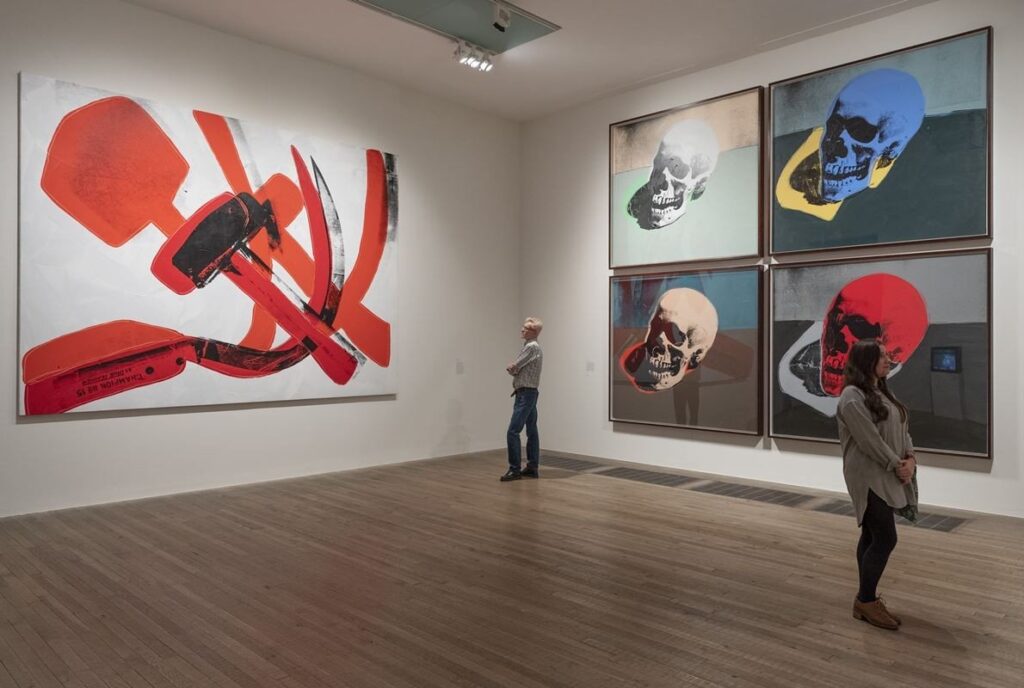
    The Tate Gallery reopens. In addition to the permanent collections, visitors will accede to Andy Warhol’s exhibition (until November 15) Aubrey Beardsley and Naum Gabo.


    A symbol of the revival: the Tate Gallery reopens

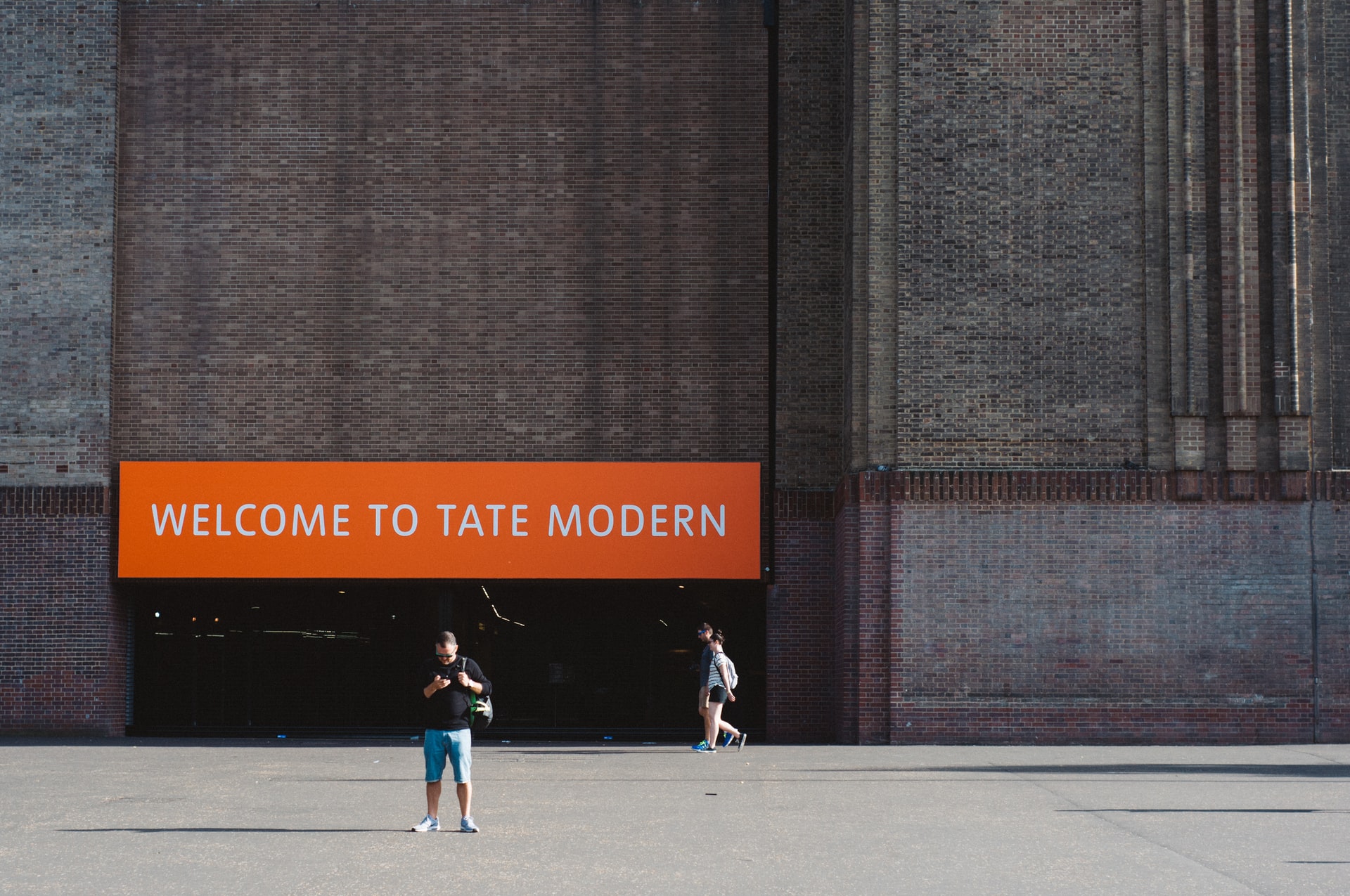
    July 27 is the date decided for the reopening of the Tate Modern Gallery, a symbol of the revival of London’s cultural life. In 2019, the Tate Gallery in London and Liverpool were the second most visited attraction in Great Britain, with a total of 6.1 million accesses.

    A symbol of the revival: the Tate Gallery reopens. visitors will accede to Andy Warhol's exhibition

    For visitors, in addition to the permanent collections, there will be the exhibitions of Andy Warhol (until November 15) Aubrey Beardsley and Naum Gabo. “We are very anxious but also excited at the idea of ​​reopening. Above all, we prepared ourselves with great prudence. We learned from the experiences of other galleries and museums around the world. From Luxembourg to Japan via Singapore, to get the different perspectives” Frances Morris, director of the gallery, said. In particular, visitors will be advised to wear masks and protective screens have been set up at the entrance doors.

    The entrances will be staggered according to the arrival time to facilitate the process. Several exhibition routes have been set up to avoid gatherings. Also there will be a more frequent cleaning policy to sanitize the museum spaces.

    Warhol’s largest retrospective at the Tate Modern

    London’s Tate Modern dedicates the largest retrospective in over 20 years to one of the most iconic and influential figures of 20th-century art: Andy Warhol. The exhibition will be on view until November 15, 2020.

    Around 1960 the artist began to create the first paintings that refer to comics and advertising images of the society of the time. Dick Tracy, Popeye, Superman but also the first bottles of Coca Cola appear in his youthful works. In 1962 he began to use also the screen printing technique. He turned his attention to the reproduction of common images, industrial production objects, representations of reality transmitted by advertising and the mass media.

    In a few years, Warhol became one of the main interpreters of American Pop Art, positioning himself at the center of the socio-cultural scene of New York. A brilliant and multifaceted artist who managed to transform the most varied images and aspects of American culture.

    The exhibition is the result of Tate’s collaboration with The Andy Warhol Foundation for the Visual Arts. In particular, it develops through an exhibition path that covers the artist’s entire career. With a particular focus on aspects and works rarely displayed in public and never in the UK. On display, over 80 works. In particular, these include drawings, sketches, screen prints, collages, and prints, from public and private collections scattered all over the world.

    The exhibition at Tate Modern takes a new look at the extraordinary life and work of Andy Warhol. It is a proper acknowledgment of the most important representative of American Pop Art. In fact, no artist has been able to embody the contradictions of the United States in the sixties like him.

  • Artist we love: Gonçalo Mabunda

    Artist we love: Gonçalo Mabunda

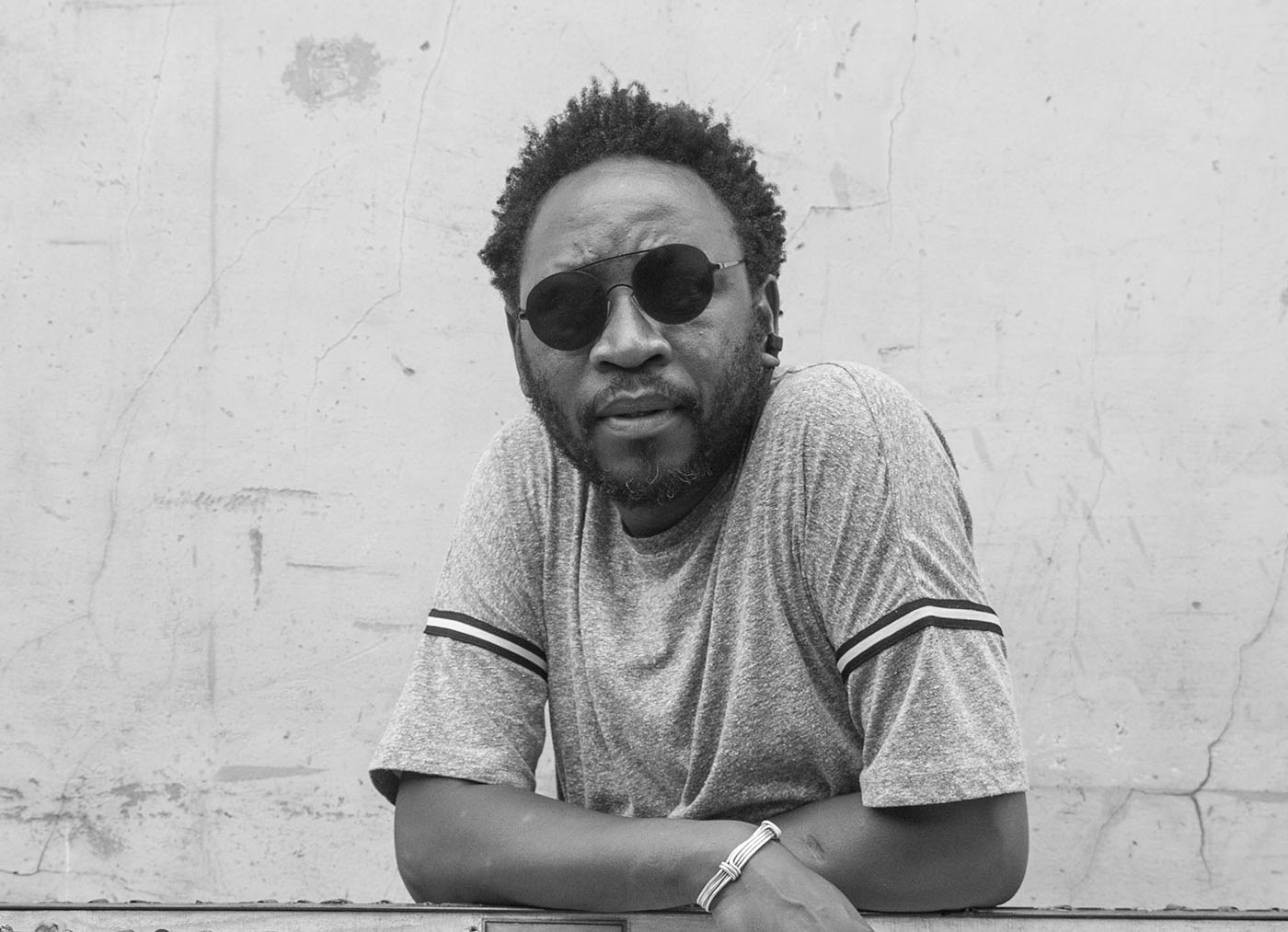
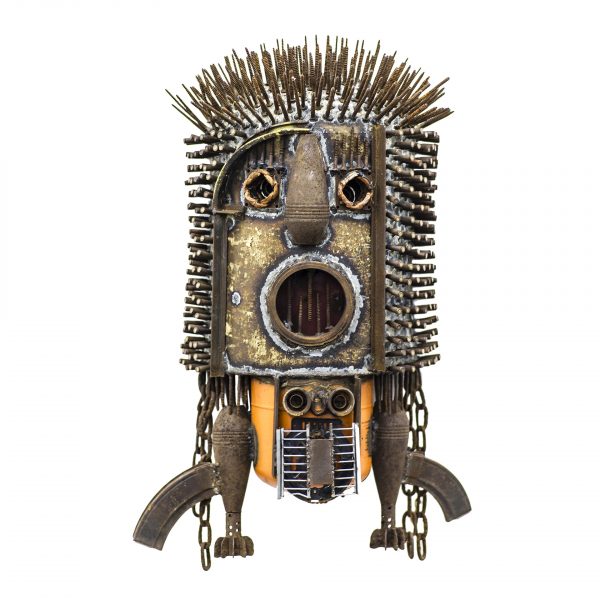
    Born in Maputo, Mozambique in 1975, Gonçalo Mabunda is an artist we love!

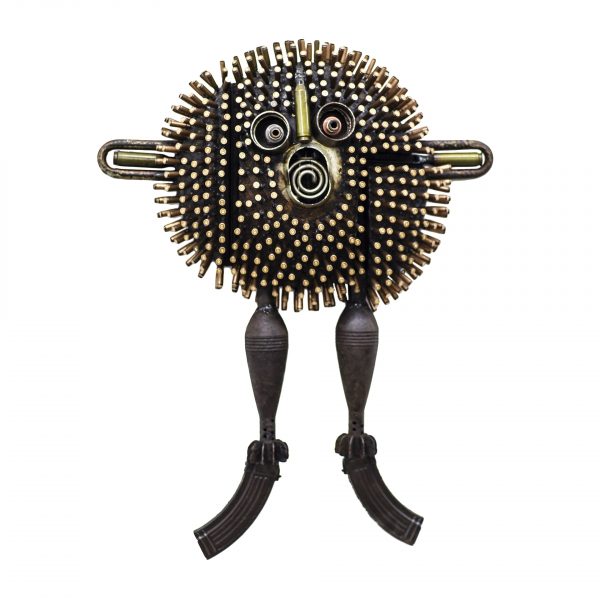
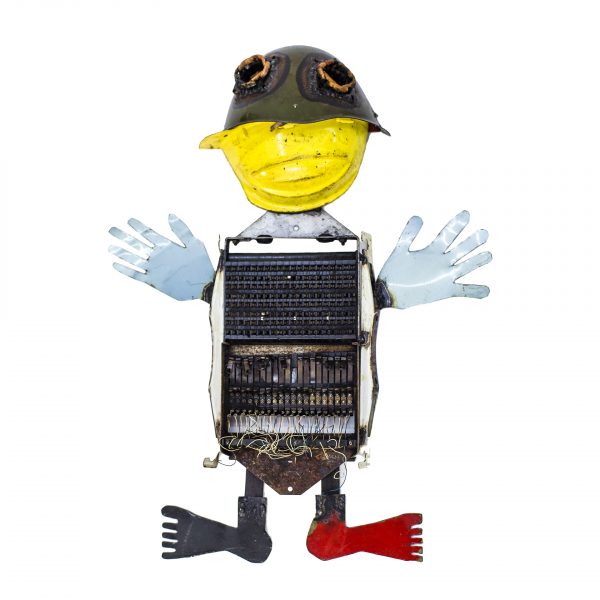
    The artist, engaged for years in fierce criticism of the absurdity of the war, has an original creative method. He uses weapons and war objects to compose works of art that challenge the same concept of war.

    His sculptures are born from objects of destruction but acquire an aesthetic of incredible impact. In fact, the reference to Braque and Picasso’s work is evident. The result is surprising, to put it mildly: Gonçalo Mabunda’s sculptures not only bring a transformative message, but they do it with a strong aesthetic that tells the story of African art!


    Gonçalo Mabunda’s career and education

    Mabunda uses rockets, pistols and other war objects to create wonderful sculptures that tell of African identity. This creative approach, which distinguishes him in the contemporary art scene, began in 1995. It is in this year that the Christian Council of Mozambique begins to collect the weapons of the war that caused suffering in Mozambique for over twenty years.

    Gonçalo Mabunda's sculptures not only bring a transformative message, but they do it with a strong aesthetic that tells the story of African art!
    The fruitful Self by Gonçalo Mabunda

    In the long process of redeveloping the territory, some weapons were destroyed. Many others instead were entrusted to artists such as Mabunda, who saw in those a possibility. These objects have in fact become the raw material for a positive and optimistic art. An art whose purpose is to highlight the African identity, without erasing the tragic events of modern history. However, using them as the foundation for a new chapter of hope and beauty.

    Mabunda in exhibitions and media

    Mabunda’s sculptures have gained international success. He was the first Mozambican artist at the Venice Biennale. His works are part of important exhibitions, which include the Gangwon International Biennale, South Korea, and ‘Making Africa’ at the Vitra Museum, Germany. Among others, Museum Kunst Palast, Dusseldorf, Hayward Gallery, London, Pompidou, Paris, Mori Art Museum, Tokyo, and the Johannesburg Art Gallery also hosted the artist’s works.

    Mabunda's sculptures have gained international success. He was the first Mozambican artist at the Venice Biennale.
    The Jazz Pianist by Gonçalo Mabunda

    Even the press and the media have been following the evolution of this brilliant sculptor for years. He was in some of the major newspapers, including the French newspaper Le Monde, HuffingtonPost. On the other hand, the CNN Inside Africa program focused particularly on its works as a symbol of African identity and culture in 2015.

    Among the artist’s main supporters, there is also ex-president Bill Clinton who commissioned sculptures for the Clinton Global Initiative from Mabunda.

    Today, among many other things, the artist is a partner of African Artists for Development. The organization aims to promote the development of local communities through contemporary artistic projects.

    Gonçalo Mabunda’s thrones and masks

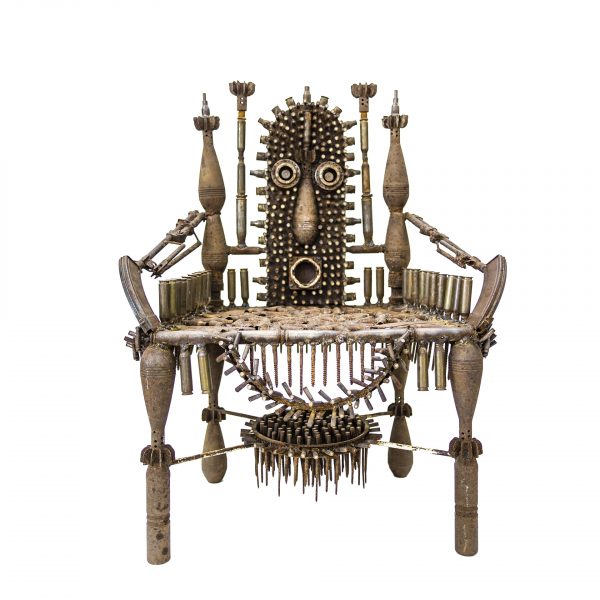
    In his production, the masks and the thrones, in particular, have a prominent role. They are both ways to represent the traits of African culture fully. Through them, it’s possible to reproduce the ethnic art and depict African traditions. However, above all, his sculptures carry a strong political message.

    Gonçalo Mabunda's thrones and masks
    O Trono Catalizador by Gonçalo Mabunda

    The thrones, in particular, are symbols of power. They serve to comment with strong imagery, the military regimes, and their misuse of that power. In this, we can see a cause of Mozambique’s experience. The country stayed isolated for an extended period because of the civil war.

    Through the masks and the thrones, the artist strongly reaffirms a compelling message. For him, it is essential to affirm that the cultural identity of his land is not undermined by the oppression and violence it has suffered for years.

    Art we love: identity, beauty, and hope in Mabunda’s sculptures

    The distinctive trait of this artist is transforming death into life and violence into beauty. In the artist’s works, we see the influence of some European avant-garde currents. However, by evoking Western modernism, Mubunda depicts African symbols and identity. His is an art of transformation that carries a vital message.

    Mabunda uses rockets, pistols and other war objects to create wonderful sculptures that tell of African identity. This creative approach, which distinguishes him in the contemporary art scene, began in 1995.
    The Heir to the Clouds by Gonçalo Mabunda

    “My pieces prove that objects of violence can be transformed into something positive and something beautiful. Not only that, but – to me – the reworked weapons represent the resiliency and creativity of African civilian societies.“

    Gonçalo Mabunda

    The aesthetics of his works is decisive, captivating at first glance. The message in his works, however, makes his production even more powerful. It’s possible to prevent violence and turn weapons of war into works of art.

    Visit artist’s gallery on RDN Arts: Gonçalo Mabunda

  • Murakami faces new challenges: the history of Jellyfish Eyes

    Murakami faces new challenges: the history of Jellyfish Eyes

    Takashi Murakami declares bankruptcy and cancels the film Jellyfish Eyes, which has been in production for nine years. The statement in a video on Instagram.


    The touching video about Jellyfish Eyes, a film by Takashi Murakami

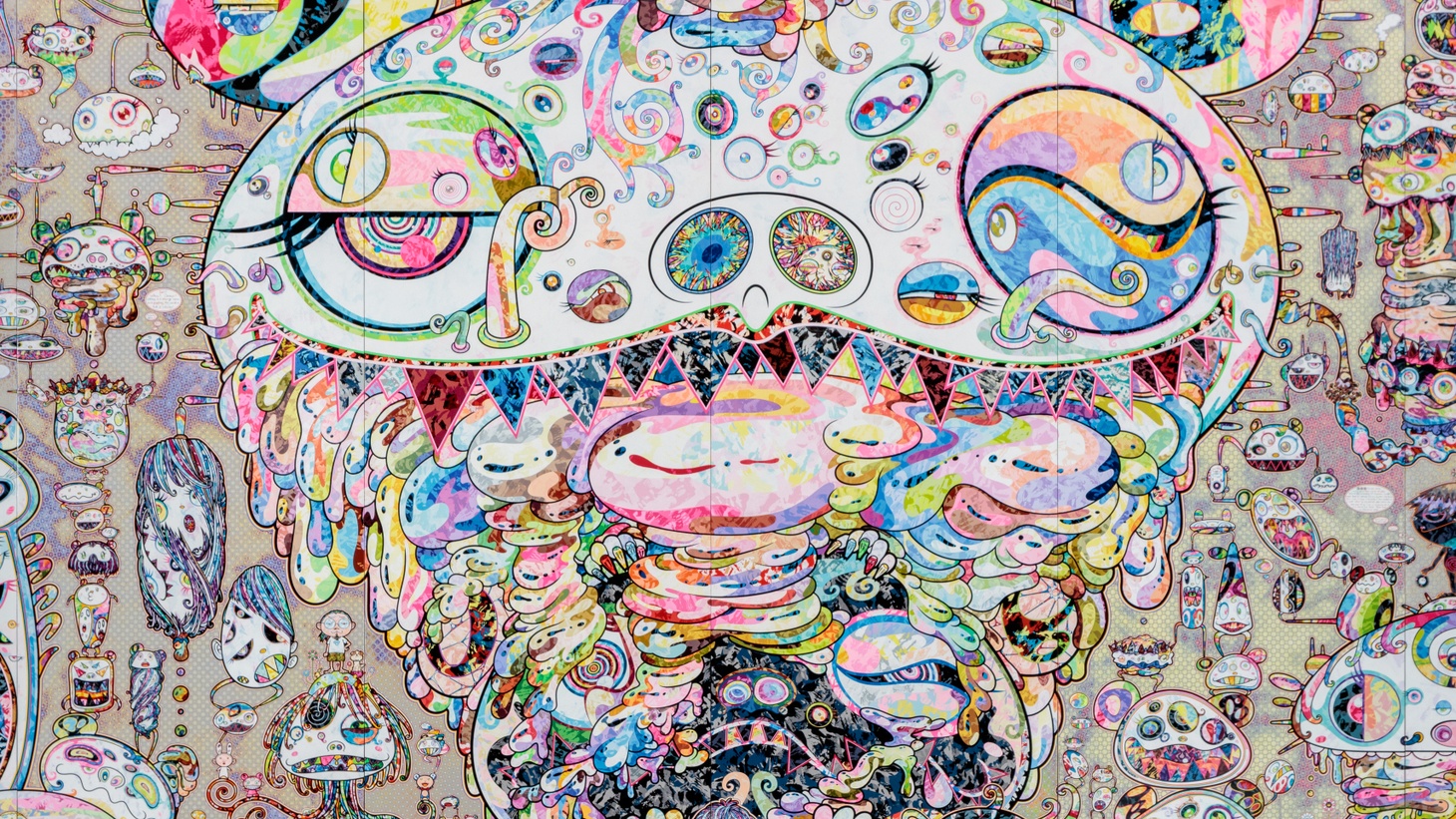
    He is one of the best known and most paid artists in the world. For years he has in fact collaborated with the biggest brands on the market. All this however did not spare Takashi Murakami (1962, Itabashi, Tokyo, Japan) from the contingencies of covid-19. He announced his new challenge to over two million fans through a touching video on Instagram. “With the sudden arrival of coronavirus, my company is bankrupt”, explains in fact the Japanese artist.

    https://www.instagram.com/tv/CCEDqIQlmy5/?utm_source=ig_embed

    He announced that “for perfectly legal tax reasons” will begin to distribute a series of video clips built as a documentary, “in which it publicly announces itself the abandonment of the film project. ”

    The film is the sci-fi Jellyfish Eyes Part 2: Mahashankh, a” dream since childhood “that Murakami has been working on for nine years. The first episode was distributed in 2013 in Japan and the United States. However, without being “a success, from a commercial point of view.”

    Murakami: Iconic artist of today

    In the panorama of contemporary art, Murakami is not only one of the most famous artists of the moment. He is also an icon of Streetwear fashion, protagonist of successful collaborations with stylists such as Louis Vuitton, Virgil Abloh, Comme des Garçons, and Supreme.

    He created QR Design for Louis Vuitton in 2009. In particular, that was a type of QR code formed by the image of one of his characters and the colorful pattern of Louis Vuitton. The Superflat code, created in collaboration with the creatives of the SET agency, is readable from mobile phones and points to a page of the Japanese mobile website of Louis Vuitton. Above all, it was the first time that Takashi Murakami engaged in an interactive project.

    Murakami also introduced the term Superflat and the artistic current connected to it. In particular, it represents a postmodern art movement influenced by manga and anime. It is based on the compression of Ukiyo-e (the typical two-dimensional Japanese artistic style), with the kawaii aesthetic of anime and manga.

    Looking at the future

    Takashi Murakami founded the KaiKai Kiki (2001). Factory Kaikai Kiki is a school-study where students can learn the history of ancient Japanese art. It is a project that allows young artists to create free from any financial problem.

    The company represents several prominent international artists, including Aya Takano, Chiho Aoshima, Mr., Kazumi Nakamura, Emi Kuraya and Yūji Ueda.

    Who knows how many other works and ideas the Japanese artist has in store for anime, manga, and all that is kawaii lovers. To find out, we will have to wait and, in the meantime, admire all his pictorial, sculptural, and interactive work!

  • The Louvre reopens after four months

    The Louvre reopens after four months

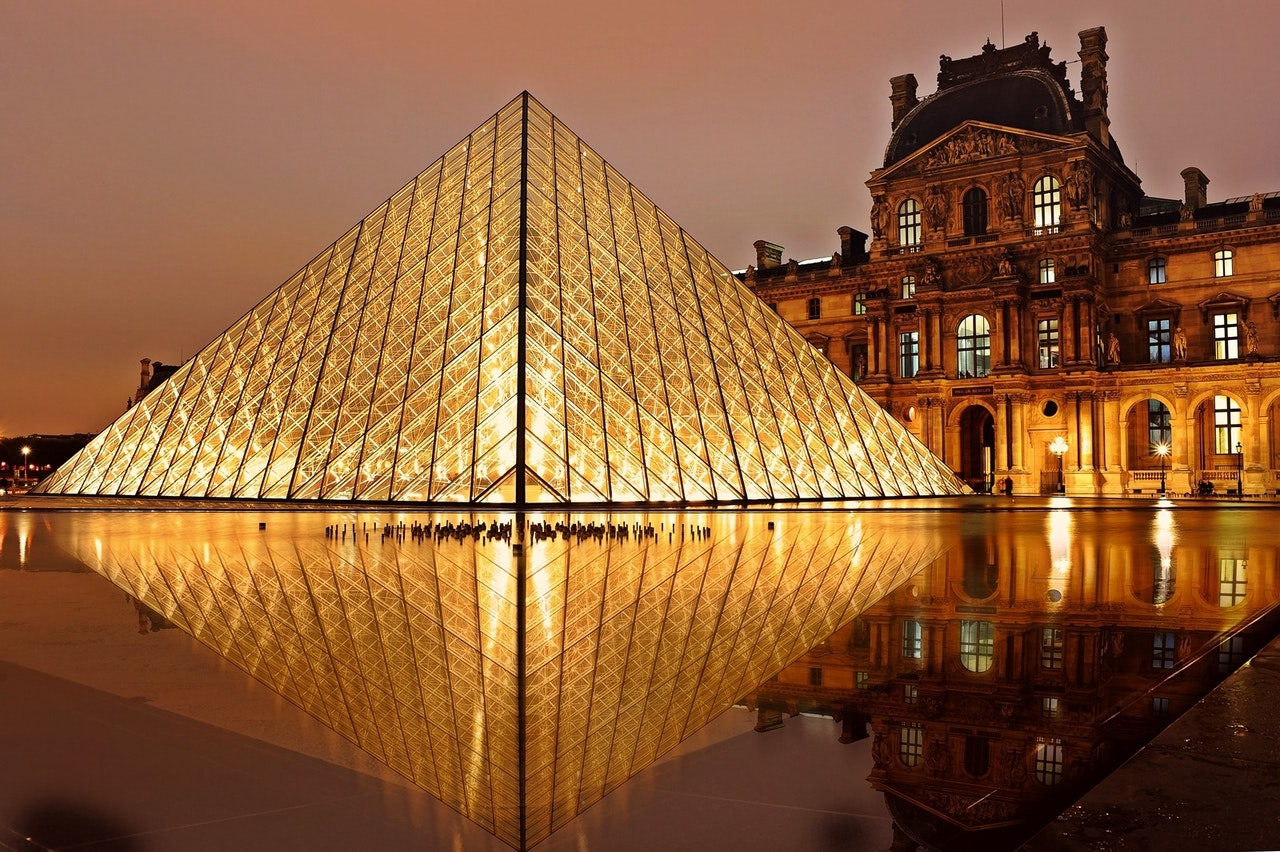
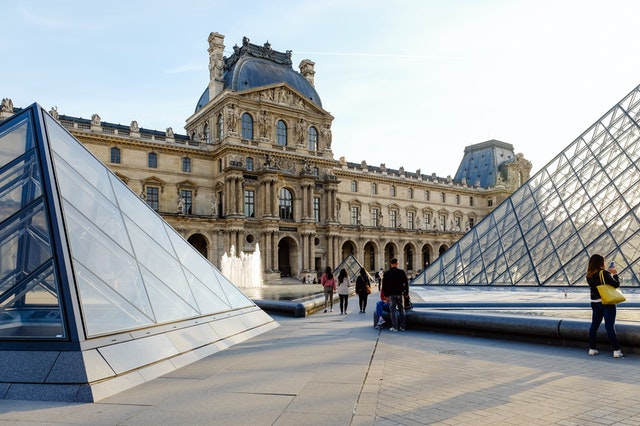
    The Louvre reopens after almost four months of closure due to the pandemic. The most visited museum in the world has opened its doors with controlled entrances to ensure social distancing. It is a unique opportunity to see, without the perennial crowd of tourists, masterpieces such as the Mona Lisa by Leonardo da Vinci.


    Louvre’s masterpieces accessible again

    In addition to the Mona Lisa, masterpieces such as the Venus de Milo and the vast collection of antiquities are accessible. On the other side, about a third of the total will remain closed. The famous museum hopes to start recovering from the enormous losses caused by the lockdown. These amounted to over 40 million euros. The new entry rules provide for 500 visitors every 30 minutes. That’s an attempt to reduce contact between people and the risks of contagion.

    The Louvre reopens after almost four months of closure due to the pandemic. The most visited museum in the world has opened its doors with controlled entrances to ensure social distancing.

    The director of the museum, Jean-Luc Martinez, has in fact recently declared that it will only be possible to return to the pre-Covid public presence within three years.

    “About 7 thousand people have bought tickets. Normally we host about 30 thousand people per day”. Circumstances seem to promise a difficult period for this symbol of France. It’s unlikely to get close to the 9.6 million visitors registered last year, a number already decreasing compared to 10 million in 2018. About three-quarters of visitors in a typical year come from abroad. With tourism in serious difficulty, the Louvre will now aim to attract more French in the coming months. “We are losing 80% of our audience,” said Martines.

    Looking at the future: a new concept of Louvre

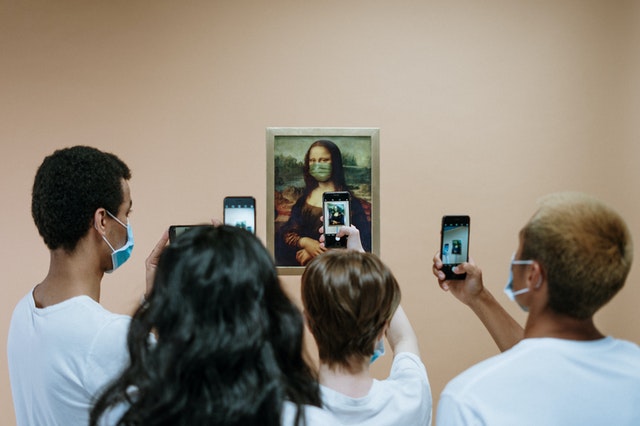
    As for the Mona Lisa, however, it will only be possible to see for 10-15 minutes and after having respected a queue for access. This way, the characteristic crowding of the room in which it is contained is limited. In short, for the first time in many years, we could see Leonardo Da Vinci’s masterpiece alone, or almost.

    From the moment of reopening, the museum will have to work hard to rebuild a relationship with the French population. This way, the institution will guarantee a stable public for the Louvre.

    To comply with the safety measures, in addition to booking the time and date of entry to the museum, the public will then have to follow a pre-established route. Even the use of masks, for these reasons, must be maintained for the duration of the visit.

    From the moment of reopening, the museum will have to work hard to rebuild a relationship with the French population. This way, the institution will guarantee a stable public for the Louvre. The reopening, beyond all the challenges, is also a great opportunity. Visitors will have the chance to see the masterpieces in almost total solitude and visit the museum without incurring the now-iconic overcrowding of the rooms.

  • Art against racism

    Art against racism

    While the demonstrations gathered around the Black Lives Matter movement continue all over the world, museums and cultural institutions also take a stand, finally with due urgency, deploying art against racism.


    Museums for Black Lives Matter

    Protests continue to gather around the Black Lives Matter movement in the United States. Dozens of cities around the world flared up following the assassination of George Floyd by Derek Michael Chauvin, an officer in the Minneapolis Police Department.

    https://www.instagram.com/p/CBdO_xWqQCl/

    The protest also takes place on the net. After an initial moment of shyness, the museums of the United States are also starting to take a stand.

    To support the culture of inclusion and equality, against racism and injustice MAXXI, expressed its profound solidarity. The museum now displays artists who put the accusation of a global problem and hope for change at the center of their message.

    https://www.instagram.com/p/CBdO1kNKdrM/

    In particular, starting from 10 June, the Instagram @museomaxxi channel directs all its communication to the awareness. Because that’s a reality that can no longer be ignored. The museum does this through the images of ten works, which address and investigate the theme of discrimination. A dedicated page on the maxxi.art website will contain in-depth information on the history of the works and their message. The aim is to help stimulate a necessary collective reflection. This way, the gaze of art can once again be a precious tool for observing and understanding reality.

    The ten works, selected by the MAXXI Artistic Director, Hou Hanru, together with the MAXXI curatorial team, are: Peripeteia (2012) by John Akomfrah; Ballet in Kibera (2017) by Sarah Waiswa; Le Merchand de Venise (2010) by Kiluanji Henda; Freedom of Movement (2017) by Nina Fischer & Maroan el Sani; The Emancipation Approximation (1999) by Kara Walker; Glenn Ligon’s Hands (1996); Robin Rhode‘s A Day in May (2013); Invisible Man (2018) by Yinka Shonibare; Foreign Office (2015) by Bouchra Khalili; T. W. Batons (Circle) (1994) by Kendell Geers.

    Art against racism: a powerful tool for change

    Black Americans have always had to fight for the recognition of their rights. The twentieth century was crossed by several waves of movements to ensure equality for all citizens.

    https://www.instagram.com/p/CBQC0FhqTdb/

    During the different phases of a story made of claims and struggles, art was a strategic element for the diffusion of the ideals of change. In the early decades of the century, in the aftermath of the wave of racial violence known as Red Summer, it was Harlem Renaissance that revealed to the United States the passionate creativity with which black communities across the country shared their experience and identity, the history of the abuses suffered, the struggles and the proud resistance, through music, literature and the visual arts.

    The bursting force of that wave of change gave birth to groups and collectives such as Black Arts Movement and AfriCOBRA. Essential movements, which are unfortunately but tirelessly still engaged in the fight for equity.

  • Plans for Art Basel 2020

    Plans for Art Basel 2020

    Art Basel Miami Beach, one of the most eagerly awaited events of the year, is among the cultural events that are now standing in uncertainty due to the pandemic of coronavirus.


    The role of Art Basel 

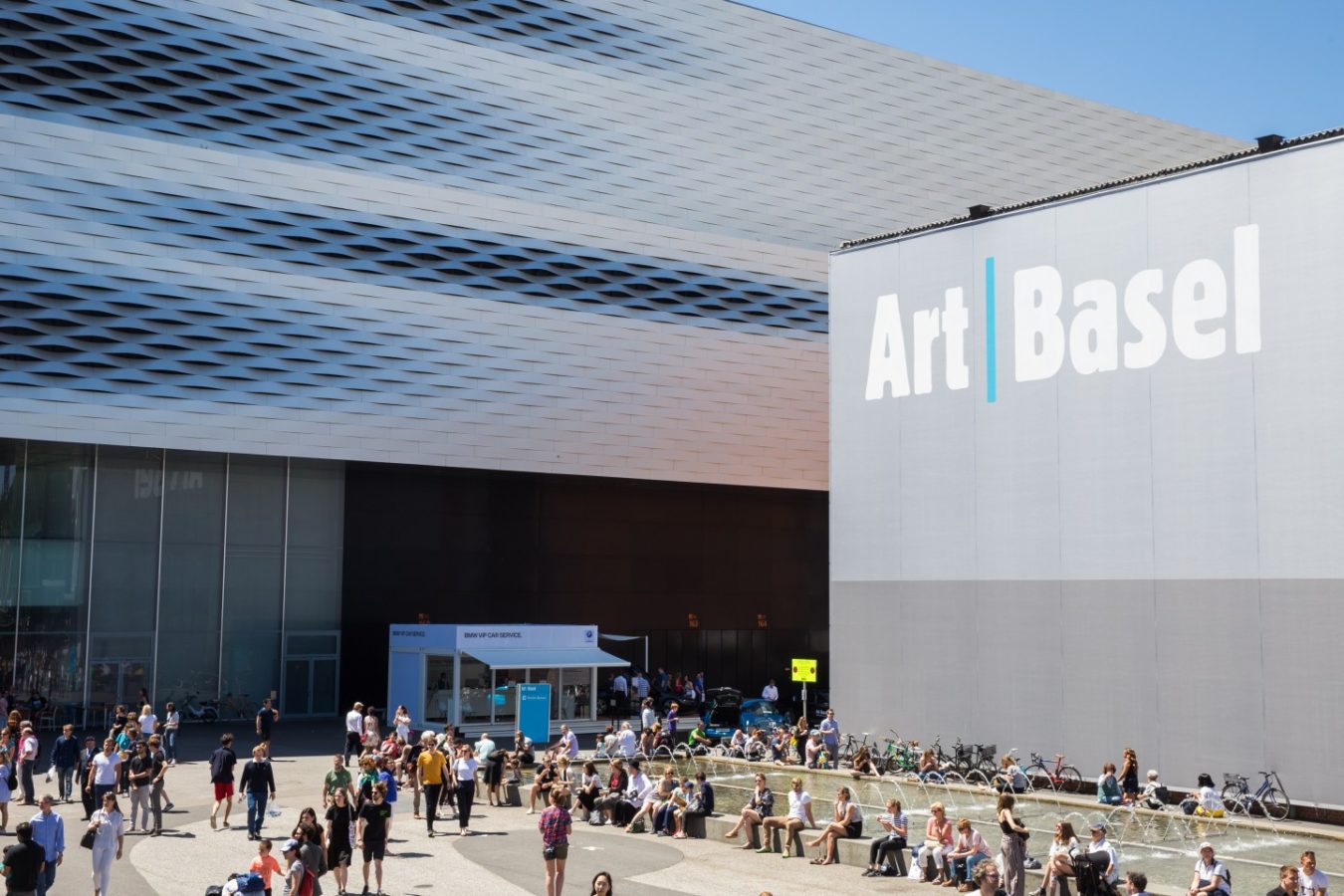
    Art Basel is probably among the world’s most important contemporary art fairs. It is the American response to the annual appointment of the fair in Switzerland. 

    The Miami edition, born in 2002, has quickly become a pivot event for the most eminent galleries in the world. The Basilea appointment first, and the Miami one after, didn’t just conditionate the art of the last decades, but gave visibility to artists that are now at the top of the art industry. 

    Art Basel is probably among the world's most important contemporary art fairs. It is the American response to the annual appointment of the fair in Switzerland.

    In particular, every year, about 2000 artists present their work to a large and passionate public. Both emerging galleries and experienced dealers offer some of the most interesting artistic proposals from the five continents.

    Art Basel Miami 2020: when to expect the world’s most famous fair

    The recent cancellation of the Swiss edition due to coronavirus is the umpteenth damage of the pandemic crisis on the cultural world. However, despite that, the Miami edition is still expected in December from the 3rd to the 6th.

    A spokesman for the fair declared:  

    “For us, it is still challenging to predict what the global situation will be like in December. We nevertheless remain deeply committed to holding the fair in Miami Beach if at all feasible.

    The health and safety of everyone concerned is our highest priority. We will take all necessary measures to protect their safety, including adjusting our plans in the future, if need be. 

    We are actively monitoring the situation. Without a doubt, we are committed to communicating closer to time any measures we take to safely hold the fair.”

    The Miami event has been, since its first edition, a significant economic driver for South Florida. By attracting wealthy tourism and collectors from all over the world, the appointment also goaded the birth of other art exhibits in Florida.  All these led to the Miami Art Week.

    Just last year, the Miami edition estimated about 80,000 visitors. The fair, to respond constructively to the obliged cancellation in Basilea, implemented the online viewing rooms. At the same time, Art Basel in Hong Kong announced criteria changes for gallerists who intend to participate in the 2021 edition. The galleries won’t have any obligation for physical space and, not less importantly, Hong Kong announced a lowering of the fees. 

  • The new rules of the art market

    The new rules of the art market

    The advent of the lockdown has paralyzed the dense calendar of events scheduled for the first half of 2020. After the first crash, it was the turn of the of online content: galleries, fairs, and biennials launched the onslaught of digital, sparking a real fight at the last view.
    Now is the time for new rules for the art market. The extent of the damage must be assessed, and the teachings received must be treasured. Starting from the lesson of the auction houses.


    The online and offline art market

    No exhibitions, no vernissages, no fairs. The art market has been severely tested by Covid-19 and has chosen to take refuge on the web.

    While on the one hand, the quarantine provoked a very dangerous setback, especially for the small players of the system. On the other hand, it also laid the optimal premises for experiencing the online dimension of the art market. Thus, while the Venice Biennale is being postponed, auction houses multiply their online activities and obtain new successes.

    After the first crash, it was the turn of the of online content: galleries, fairs, and biennials launched the onslaught of digital, sparking a real fight at the last view.
Now is the time for new rules for the art market.

    This is not an unexpected event. Art was always an excellent source of investment to turn to when market stability is uncertain.

    The art world is betting on the online market

    Sotheby’s has been one of the great protagonists of the digital turn of the art market. With more than fifteen appointments between March and June 2020, the auction house generated online sales worth over $ 100 million. That’s almost four times the amount of 2019 in the same period. It is a record achievement in the web, where a work rarely exceeds the maximum range of $ 500,000.
    Christie’s also appeared on the web, with a less busy calendar than the competition but with equally encouraging results.

    The new market alliances

    Online sales favor a certain transparency in transactions and facilitate the opening to new audiences, including that of generations of young collectors who were literally born on the web.
    The experience of Covid-19 has undoubtedly given new stimuli to the art market. Not only has the online dimension proven to be reliable, but it has also stimulated interesting new alliances. Now it remains to see how sustainable these strategies are and how they will influence the artistic production of the future.

    The art world is betting on the online market

    In short, despite some moments of decline and settling, often related to individual artists, art continues in the short and long term its constant rise by increasing its value, continuing to reward quality and acting as a safe haven, with the possibility for those who he collects it to sell it, now more and more quickly and in perfect safety, and also using the resources that derive from it if necessary.

    Interested in art collecting? Follow our tips to invest in art safely and browse our gallery to find impressive contemporary artworks!

  • Magritte’s L’arc de Triomphe up for auction

    Magritte’s L’arc de Triomphe up for auction

    Magritte’s opera L’arc de Triomphe will be auctioned at Christie’s on July 10, during a streaming event involving four cities.


    Christie’s puts Magritte‘s Larc de Triomphe at auction, starting from an estimate that is around 6.5 -9.5 million dollars. The auction will take place on July 10 during the “ONE: A Global Sale of the 20th Century” event, organized by the auction house itself. The sale will take place in streaming and will be divided into four sessions. In particular, it will be one for each landmark of art: Hong Kong, Paris, London, and New York. Participants will be able to purchase Magritte’s work during the London session. That will be the penultimate one, before the final one, which will take place in New York.


    L’arc de Triomphe by Magritte

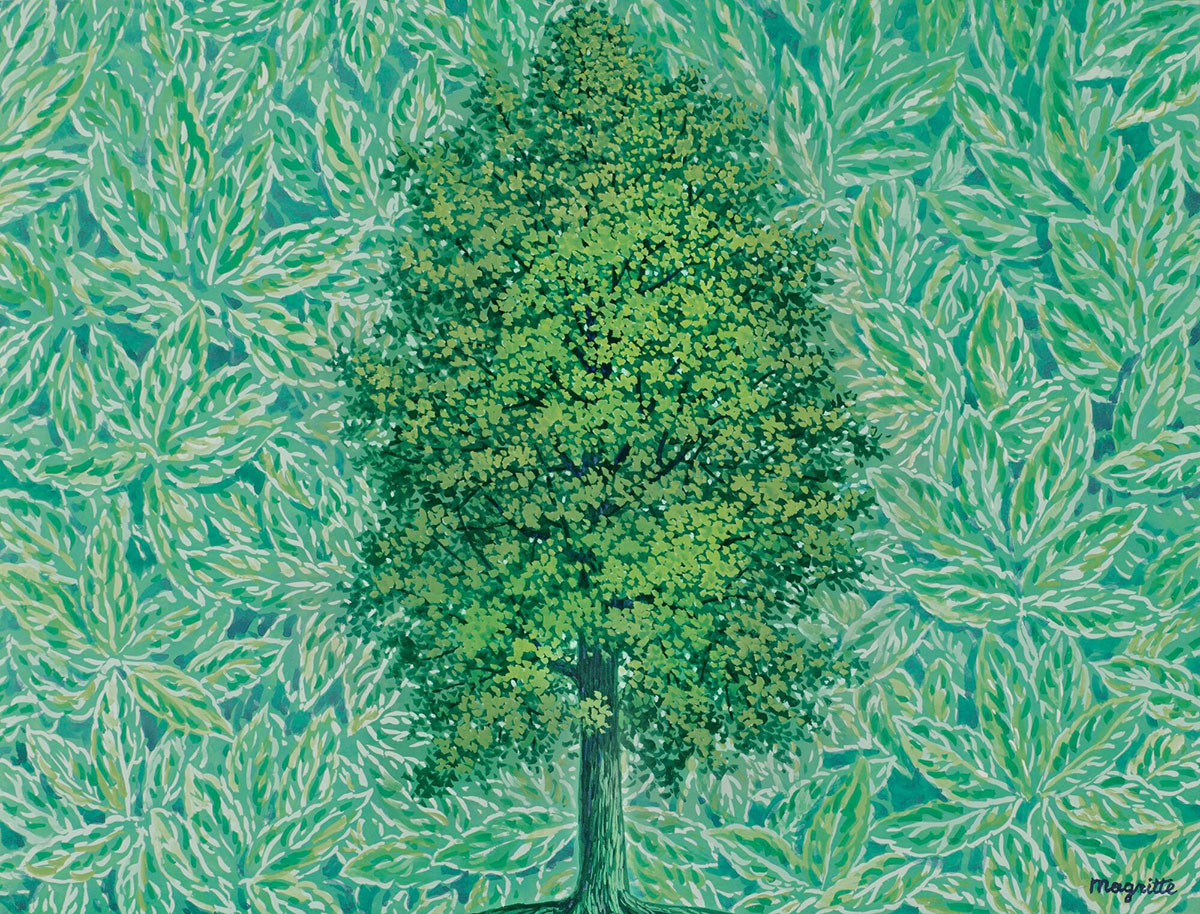
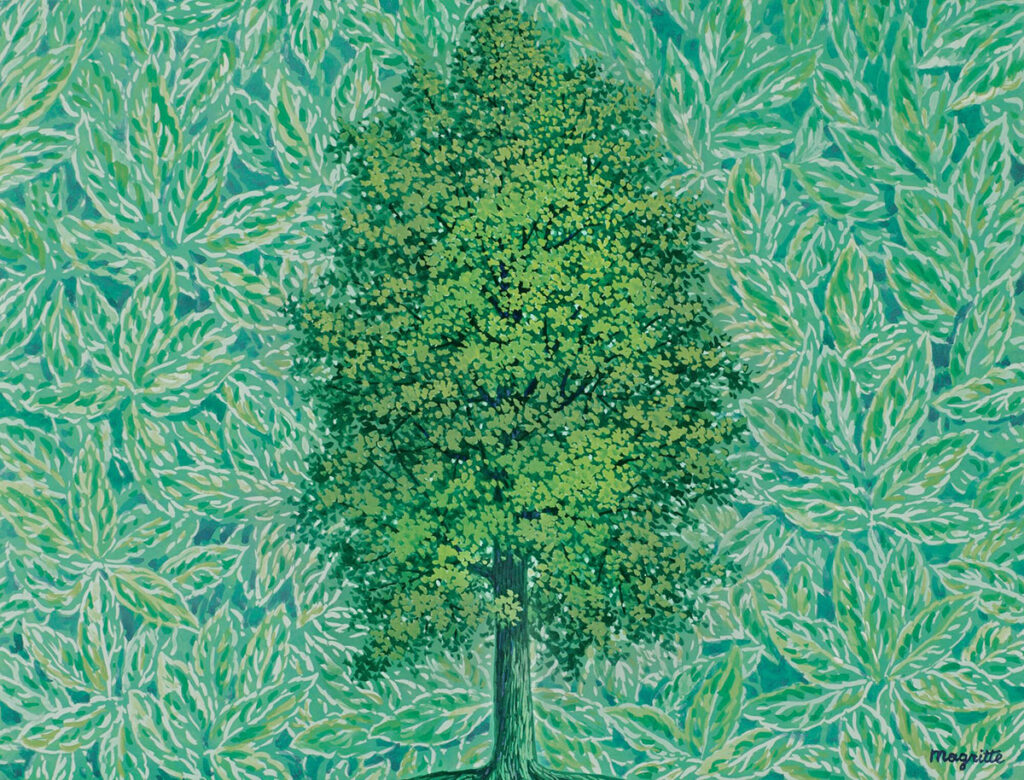
    L’arc de Triomphe is a work in which a single tree is depicted on a background of leaves. A typical motif of the artist after the war. Magritte created the work in 1962, and immediately Harry Torczyner bought it. Torczyner was a friend of Magritte and he also promoted the surrealist’s work in America. He published his correspondence with the artist in 1994 with the book Magritte-Torczyner: Letters Between Friends. In addition, in November 1998, the sale of the Torczyner estate brought a total of 14 works by Magritte to auction. Among these, there was also Les valeurs personnelles from 1952, worth 6.5 million dollars, against his estimate between 2.5 and 3.5 million dollars.

    L’arc de Triomphe, René Magritte, 1962

    The painting L’arc de Triomphe boasts a significant exposure. It was first exhibited at the Palais des Beaux-Arts de Charleroi in 1962. Then, it appeared in the Dada, Surrealism, and Their Heritage exhibition. Later it was at the Museum of Modern Art in Los Angeles and the Art Institute of Chicago in 1968. The merchant Sidney Janis exhibited the work in a personal exhibition dedicated to the artist in December 1977. The work was last on display in 1992 when Christie’s bought it for 1.1 million dollars. Finally, in 2000 it passed into the hands of the current seller.

    The importance of Magritte in the art market

    The vice-president of the “Impressionism and modern art” section of Christie’s in London, Olivier Camu, explained the title of the work. He said: “The choice of the title suggests that Magritte believed that this composition was a triumph in his quest to answer the problem of how to represent trees, while revealing the mystery of reality.” He then went on to illustrate the importance of Surrealism within the art market.

    The Empire of Light II, René Magritte, 1950

    In this regard, he said: “The interest in Surrealism has gradually strengthened with the growing influx of buyers, whether they are collectors of modern art due to our attention for the movement, or collectors of contemporary and post-war art. “. The market’s greater interest in Surrealism is confirmed by the new record price reached by the artist. In November 2018, Sotheby’s sold Le principe du Plaisir for $ 26.8 million. His estimate was between $ 15 million and $ 20 million. The sale places the artist among the best-selling modernists currently on the market.

  • Pop art: characteristics, style and artists

    Pop art: characteristics, style and artists

    Pop art was born in the 1950s in England, but matured in the United States starting in the 1960s, then extending its influence throughout the western world. The name derives from the contraction of the English “Popular Art”.


    Pop art: meaning and characteristics of the “Popular Art”

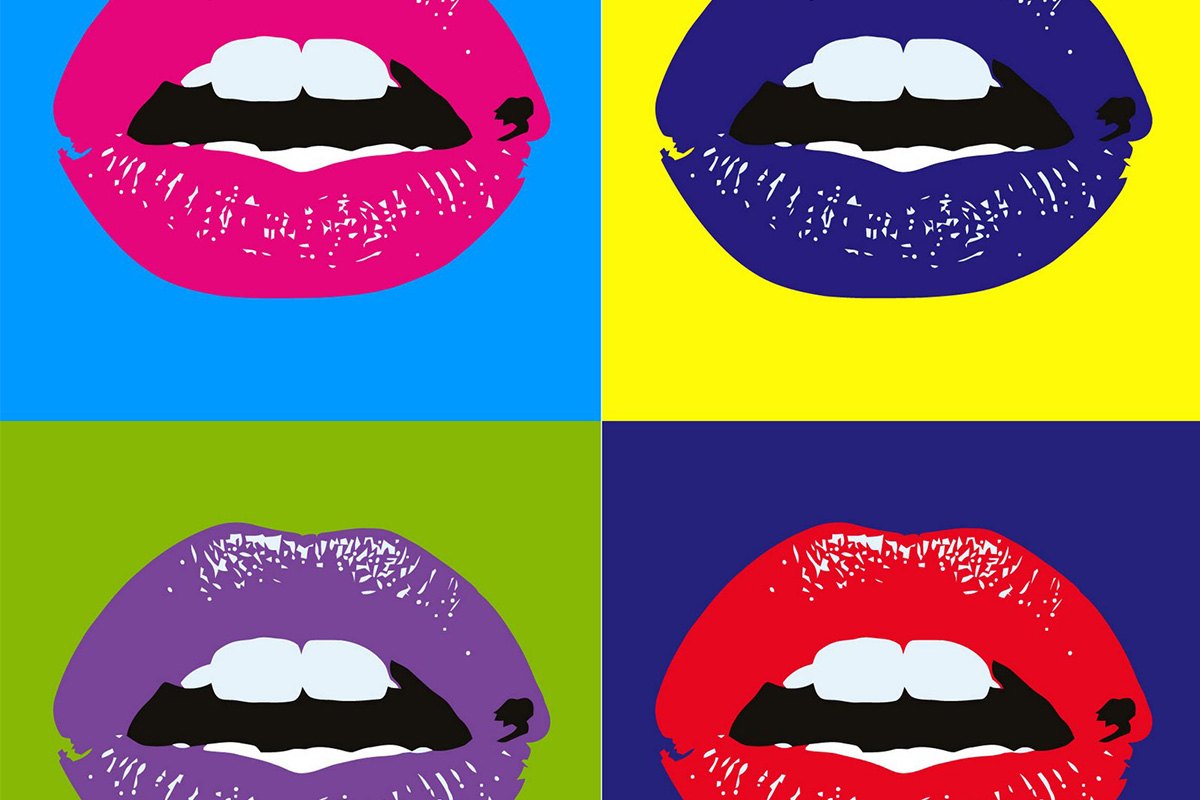
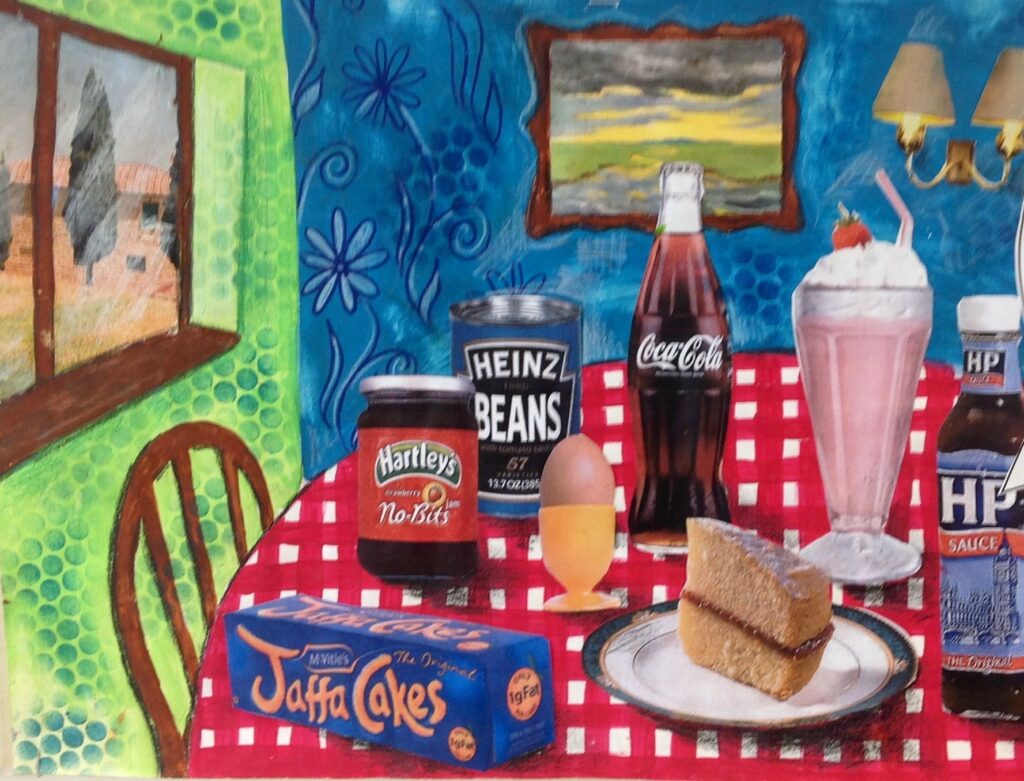
    Popular Art merges the figurative arts with the mass media and advertising, highlighting the expression of young people in the consumer society. In particular, Pop Art draws the attention of a large metropolis dominated by the advancement of consumer society, prompted by a significant industrial development and mass communication, within which advertising dominates with its posters and its colored lights, which make it lively, cheerful, and engaging.

    Popular Art merges the figurative arts with the mass media and advertising, highlighting the expression of young people in the consumer society

    The representations have particular characteristics. Totally different from the styles known so far, but it is precisely the artistic movement that is revolutionary and brilliant. Instead of escaping from reality, it immerses himself in it; instead of rejecting objects, it uses them with a never-before-seen evidence. The same commodity that the market and advertising impose, becomes the subject and object of artistic activity.

    In this way, Pop artists move into the “high,” and noble sphere of cultured painting. Low and “banal” elements derived, or literally copied, from the world of advertising, television, comics. The result is a seemingly simple but extremely effective and highly communicative language. It uses an easy-to-read iconography, full of references to life and the common imagination. Apparently cold, but at the same time captivating and often ironic Art.

    Pop art: protagonists and works

    American Pop Art artists such as Rauschenberg, Johns, Dine, Lichtenstein, Oldemburg, Warhol, Rosenquist, and Wesselmann all come from the New Dada experience. Their Art is the mixing of different materials, the recovery of the daily object. Transformed and transported in the exhibition context. This approach followed an alienating and irreverent logic, hostile towards the art market and aimed at bringing the artistic object back to the level of collective enjoyment.

    American Pop Art artists such as Rauschenberg, Johns, Dine, Lichtenstein, Oldemburg, Warhol, Rosenquist, and Wesselmann all come from the New Dada experience.

    This is exactly what happens in the 1962 painting by Andy Warhol Close cover before striking. On a canvas of almost two meters, the artist reproduced the lid of a matchbox, the rough part of the sulfur strip is reproduced by applying sandpaper. In the center, massive stands the image of a Pepsi cap with the slogan “Say Pepsi, please.”

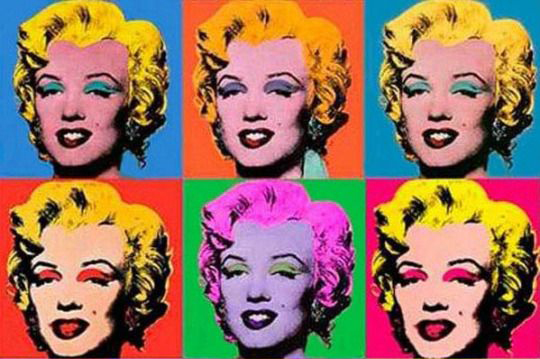
    Take the famous case of Marilyn, the photo of Vogue is taken by Warhol, altered using the screen printing process. Some features of her face have more considerable evidence; the blond hair is even blonder, the red lips even redder; the splashes of colors outline from the profile of the photograph to highlight this alteration mechanism. In fact, what is Marilyn without her blonde hair, red, fleshy lips, and her sensual gaze? Only in this way can the image become an icon, ready to be loved, adored and consumed!

Our Content.
Your Inbox

Join thousands of art lovers

Receive art news, market analysis and updates about new artists on the website

By subscribing you agree to receive RDN Arts emails. Unsubscribe at any time. Privacy Policy.