Author: xerkss

  • Art Censorship

    Art Censorship

    Art Censorship

    The censorship of art is nothing new. While we allow ourselves freedom of expression in most places, art censorship is still prevalent. Modern technology grants us access to upload, share and reshare images that we consider art. There are even exhibits whose primary goals are us uploading and sharing our take on art. However, this wasn’t always the case. Throughout history – art censorship has claimed the creative freedoms of many artists and their work.

    Silencing and erasing art due to unacceptable content is the rallying cry of the ultra-moral. In some cases the motivations for censorship were religious. However, in others, they were social or political. Artists push boundaries through their imagery and content. The art world is a place for overstepping the bounds of “polite” society, and delving into controversial and taboo characteristics. Art regularly “butts” against standards of good taste in the fight for freedom of expression.

    However, art censorship is spreading beyond traditional medians of media. Instagram and Facebook have taken to censorship on their platforms. The latter censoring artist Rupi Kaur’s “period photo,” claiming that it violated community guidelines. However, the same platform allows for a plethora of images found under the simple hashtag #girls. While Facebook did not appreciate a teacher attempting to share a photo of Gustave Courbet’s “L’Origine du Monde,”. Claiming in statements that “photos of paintings, sculptures and other art that depicts nude figures are [fine].” 

    Censored Throughout History

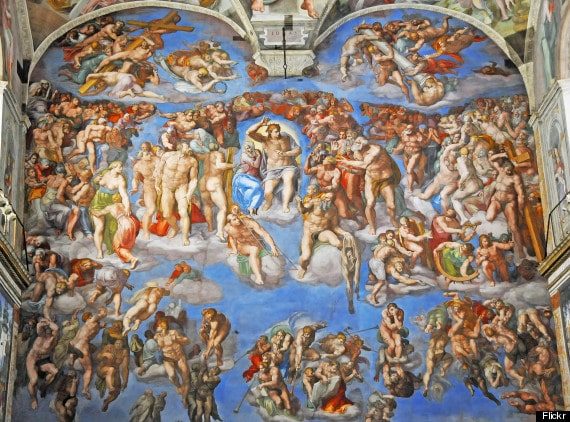
    Initially deeming it unholy and immoral by many followers of the Catholic faith, Michelangelo’s Sistine Chapel was “unsightly” to many including Pope Daniele de Volterra. The scene depicts unclothed human souls who rise or fall to their otherworldly fates. So much so critics could hardly concentrate on the religious message through all the naked parts.

    Integrating themselves with the progression of time, classical nudes are now apart of the language of art. Painted bodies like Michelangelo’s are not only accepted but revered. Lounging nudes are on display without complication in works by Titian and Giorgione. However, Manet’s red-headed nude was seen as “vulgar“. Her unwavering gaze and realistic representation, adding heat to a raging fire.

    Manet chose to capture nudity not as otherworldly or heavenly. He paints the body in its reality. Bringing in policemen to protect the canvas from furious patrons – the piece was received happily during the 1865 Paris exhibition.

    One year later, Courbet’s depiction of the world’s origin, increases the stakes. Commissioned by Turkish diplomat and collector Khalil-Bey, the work rose to almost mythical status. Consequently, the piece showed mainly behind closed curtains.

    The piece didn’t show publicly until 1995. Its whereabouts between 1866 and the late 20th century remain shrouded in mystery. The piece is still too salacious for Facebook. The site censoring the work in 2011.

    Dipping a crucifix into a cup of his own urine in 1987, photographer Serrano, sealed his infamy with his piece aptly titled “Piss Christ.” Initially showing in New York to a positive reaction. However, two years later at its North Carolina showing, things took a turn. Local Senator Jesse Helms publicly expressed his outrage. Stating that the work “dishonor[ed] the Lord.” Consequently, Serrano lost his grants. “Piss Christ,” to this day, remains as controversial.

    Censorship today
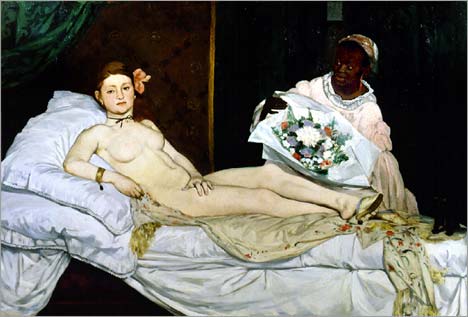
    Olympia, famous painting by the french master modernist painter Manet
    Olympia – Manet

    As Edgar Allen Poe says “There is no beauty without some strangeness”. We could argue there is no beauty without some vulgarity. The world around us is 24/7 mania each part of it being broadcast into our homes. Why shouldn’t art reflect that – and if that is not censored in our nightly news, then why censor it in our museums – or in the media?

    Adda Þóreyjardóttir Smáradóttir must have asked the same question when she started the #freethenipple hashtag. Going viral on social networks everywhere the then 17-year-old student chair of the Feminist society at the Commercial College of Iceland, declared Thursday “Free The Nipple Day” at school. A classmate noting – she’d be letting herself in for trouble, as she posted a topless selfie of herself.

    Inequality of human bodies aside – the censorship of art is reckless. Art is the great unifier able to connect us even if the subject is taboo. Taboo subjects make their way to the general public regardless of their oppressors. They are seen in all their scandalous, salacious glory. Allowing us the opportunity to see the world beyond the scope of our own sometimes narrow view.
  • Frida Kahlo: Arte Popular

    Frida Kahlo: Arte Popular

    Frida Kahlo: Arte Popular

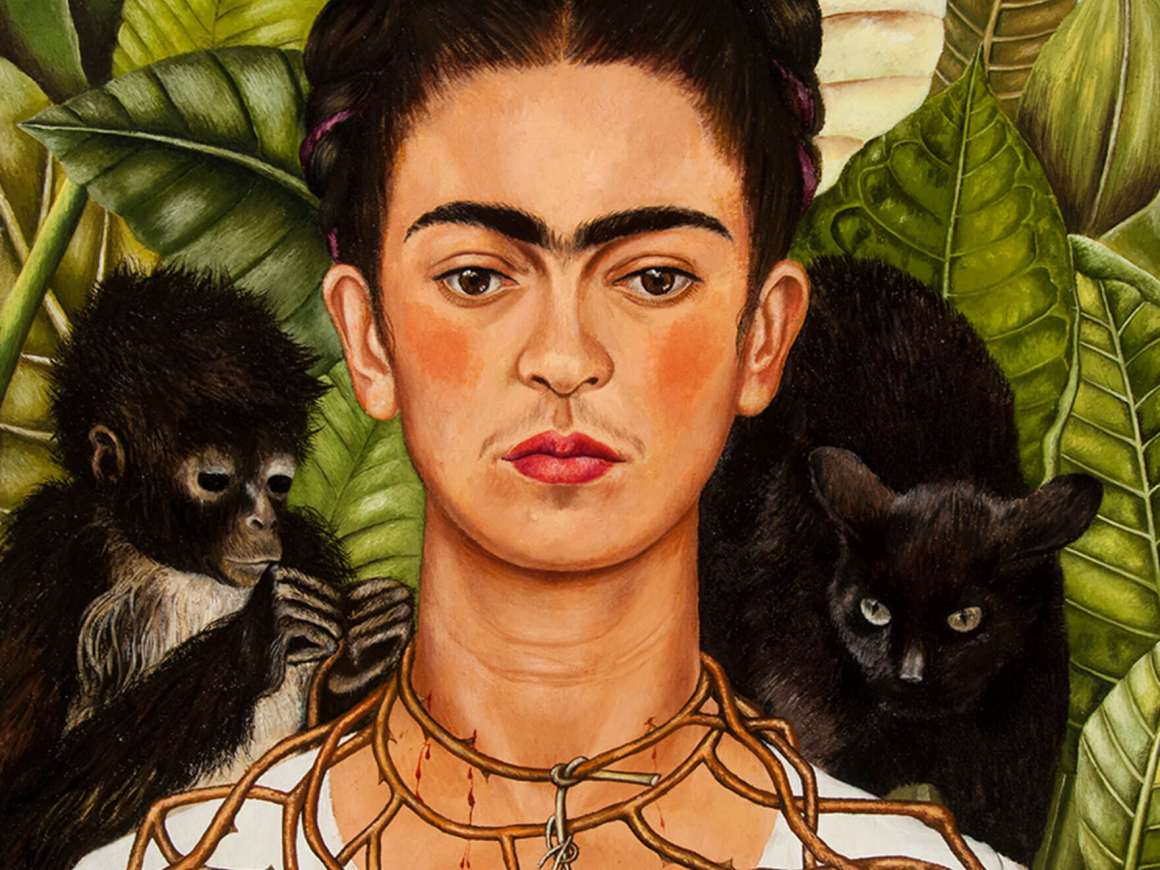
    The first-ever Kahlo exhibition at the Museum of Fine Arts, Boston (MFA), Frida Kahlo and Arte Popular highlights the artist’s respect for Mexican folk art. Frida Kahlo (1907–1954) avidly collected traditional Mexican folk art aptly named arte popular. She like many of her compatriots at the time saw it as a celebration of Mexican national culture. Deriving inspiration from objects, and seizing on their political significance after the Mexican Revolution. Continuously incorporating their visual and material qualities into her artwork.

    Kahlo’s work as an artist remained relatively unknown until the late 1970s. However, the rediscovery of her work was carried out by art historians and political activists. By the early 1990s, she became a recognized figure in art history. Chicanos, the feminist movement and the LGBTQ movement saw Kahlo as an icon. While her renown has been on the rise for decades, she is an internationally celebrated artist. Her work is an emblem of Mexican and indigenous traditions. As a result, popularizing the polarizing subject.

    Mexicanidad

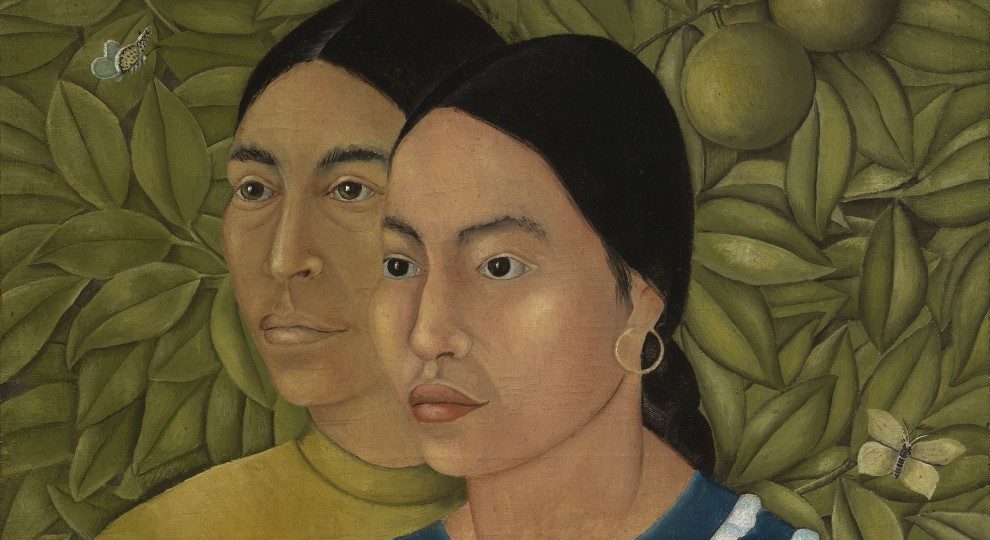
    Dos Mujeres, Frida Kahlo

    Debuting in 1921, the term arte popular links art and politics. It constructs patriotic histories and images uniting Mexico’s divided peoples. Following a devastating civil war, government officials and artists played overlapping roles. However, Kahlo herself was not a folk artist. However, she includes ceramics, carvings and other handmade objects made in rural communities in her work. She like other artist and intellectuals alike lionized the works of arte popular.  While synonymous with the mexicanidad, or Mexican national culture. The arte popular movement, therefore, promoted the celebration of Mexico’s indigenous and working-class people. Exploring some of the social and political ideas of the post-Revolutionary period. The exhibition contextualizes both Kahlo’s paintings and arte popular. While focusing on the dialogues between the two. Highlighting the issues of the day, using art as its voice.

    MFA Exhibit

    Arte Popular
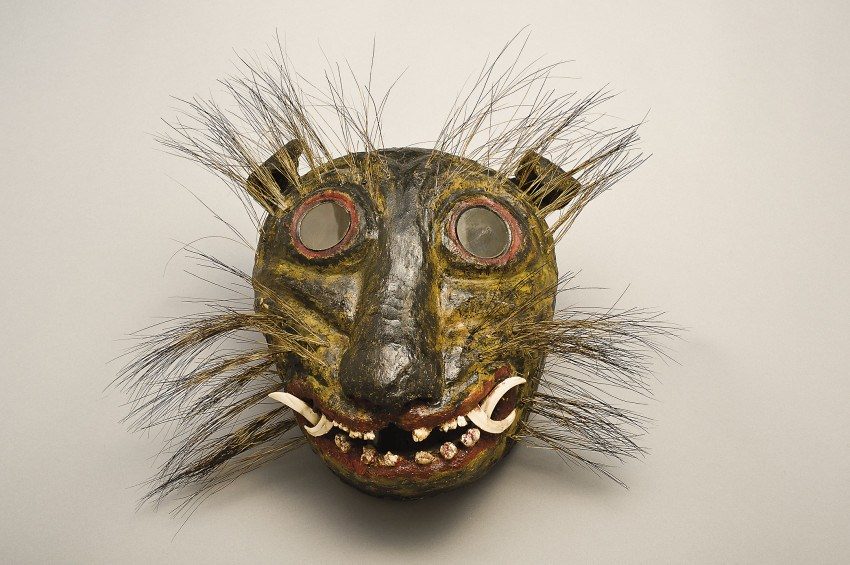
    Máscara de tigre (Jaguar Mask). Mexican Artist (active Guerrero)

    This is the MFA’s first exhibition on Frida Kahlo. It focuses exclusively, on Kahlo’s lasting engagements with arte popular. Focusing on her passion for embroidered textiles and devotional retablo paintings. Shining new light onto Kahlo as a clever and ambitious, painter. The exhibition creates the opportunity to discuss the influences of anonymous folk artists on famed modern painters.

    Bringing together the exhibition is eight Kahlo paintings some on loan from the Museum of Modern Art (MoMA), the Los Angeles County Museum of Art (LACMA) and the Harry Ransom Center at the University of Texas at Austin. In addition, there are approximately 40 representative examples of arte popular, on loan from the San Antonio Museum of Art (SAMA). As well as photographs and important illustrated publications from the period.

    A representative of Layla Bermeo, Assistant Curator of American Paintings, says “While many exhibitions focus on the artist’s biography and interpret her paintings as direct illustrations of life events, our exhibition brings fresh attention to Kahlo as an ever-evolving and ambitious painter, who actively responded to arte popular.”

    “Frida Kahlo and Arte Popular” is on view through June 2019, at the MFA’s Art of the Americas Wing.

  • Art for Instagram

    Art for Instagram

    The Age of Art For Instagram

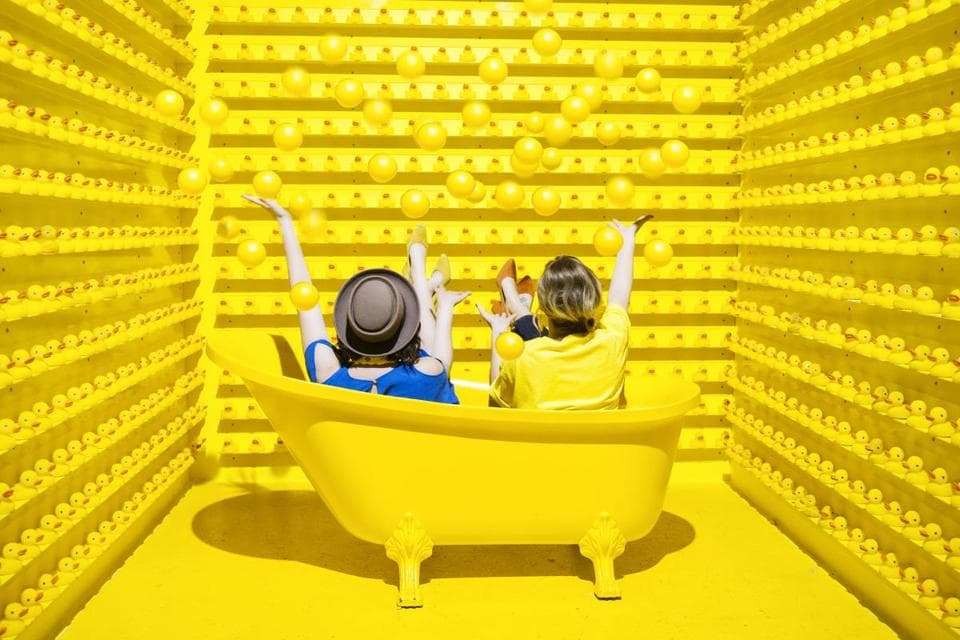
    The age of made-for-Instagram exhibits says something about our culture, however, it didn’t start in places like Happy Place. It more likely started in nature and in restaurants and spilled its way over in modern culture. Artist like Yayoi Kusama created installations prime for the age of art for Instagram long before cellphone towers and hashtags dominated the airwaves.

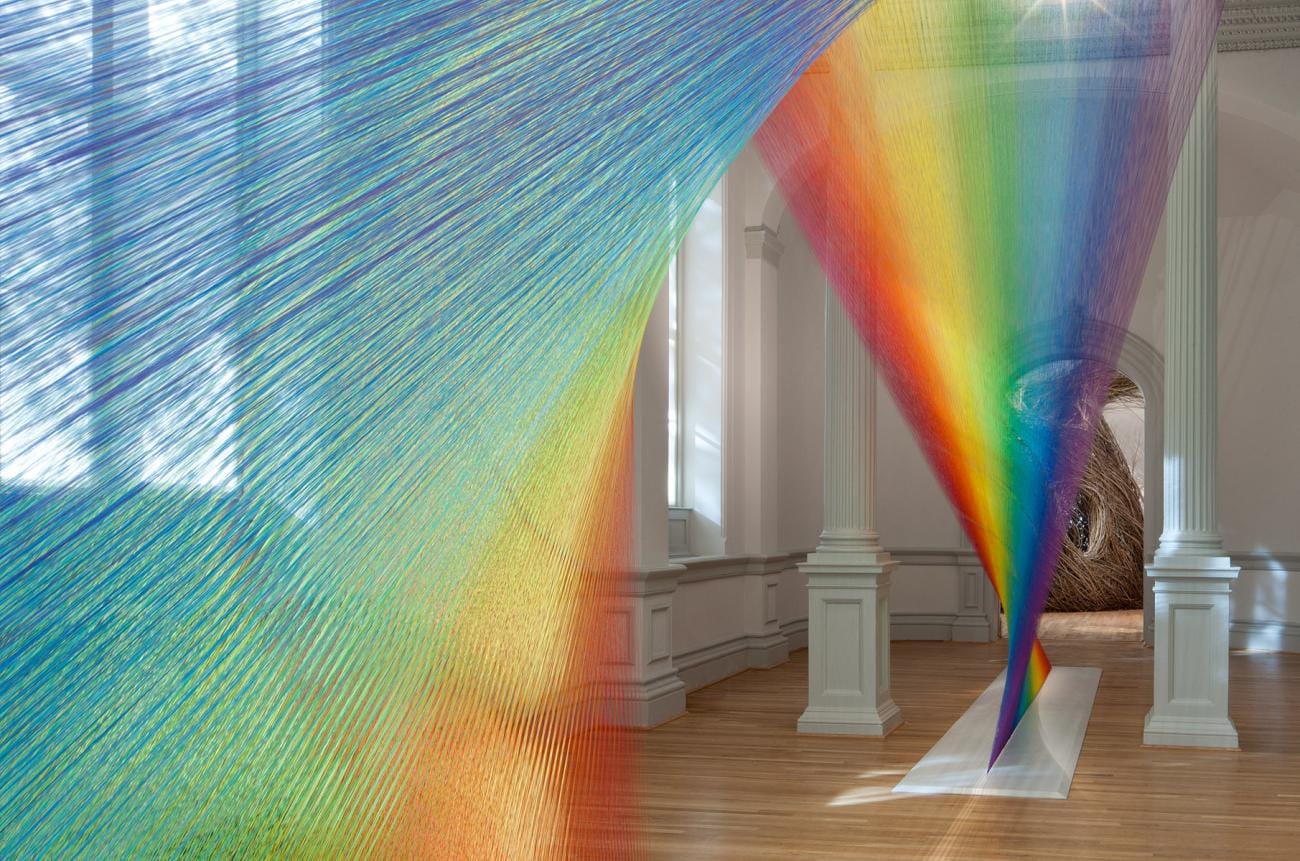
    An example of Instagram gold was the 2015 experience called Wonder. Placed in the Renwick Gallery at the Smithsonian the art experience featured nine contemporary artists. One room featured a prismatic rainbow made from 60 miles of thread. Another room was wallpapered with dead insects. In another, 10 towers of index cards stacked and glued together loomed over visitors like volcanic rock formations.

     Plexus A1 by Gabriel Dawe, Art installation at the Renwick Gallery —the first building in the United States designed as an art museum
    Gabriel Dawe, Plexus A1, 2015. Photo by Ron Blunt

    Becoming a sensation on social media, Wonder was able to bring more visitors to the Renwick. The museum encouraged this. Curator Nicholas Bell told the Washington Post at the time: “We’re all flabbergasted, to be frank. I wonder, what are they even trying to say? ‘I am here Instagramming?’ It’s like this new first-person narrative of the museum experience. I’m fascinated.”

    Ready Made Installations

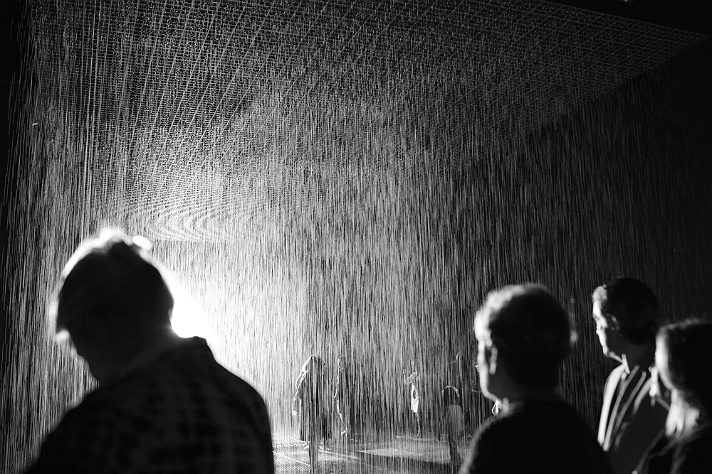
    Three years earlier, the Rain Room opened at London’s Barbican Center. The installation would travel to the Los Angeles County Museum of Art, New York’s Museum of Modern Art, and all over the world. However long its tenure in those museums, it remained the longest on Instagram. Where there are thousands of photos of it.

    While the Rain Room initial intent was not social media, its unparalleled success online demonstrated a need for these types of exhibits. In some cities, people waited in line for as long as eight hours for their chance to get a photo inside. Proving there is a market waiting to be served.

    According to Jia Jia Fei, Director of Digital at the Jewish Museum of New York, “The world has seen an increase in these spectacle exhibitions that have really taken on a new dimension online”. Delivering a TED Talk last year on Art in the Age of Instagram. “When you think of the very Instagrammable exhibitions of the last five years—the course in which Instagram has existed—you think of Yayoi Kusama and her Infinity Mirrored Room. These are artists who really have very critical bodies of work, but [created installations] that have taken on new meaning because of social media.”

    Smoke and Filters – Art for Instagram?

    The famous Rain room, Large-scale Art installation by the Artist collective rAndom International

    “Rain Room” | Photo courtesy of rAndom International

    Is there though a line between Instagram filler and art? What differentiates the psychedelic paintings of the abstract movement, like Mohammed Melehi from a room designed to delight the senses like in Jared Paul’s Happy Place?

    “Artists like Sol LeWitt also have, in their practice, very intricate colorful walls,” says Fei. “Without that context, one might consider that to be as created for Instagram. There is a nuance in an artist’s practice. It’s about minimalism and a period in time in which that work was created. If it’s just an orange wall that exists as a backdrop, there’s no meaning or value added to having that space there.”

    Some critics draw a harder line in the sand. “These manufactured entertainments aren’t significant art exhibitions any more than a Chuck E. Cheese arcade or the Block of Fame at Legoland,” says Christopher Knight. He is an art critic for the Los Angeles Times. “They’re just snobbier.”

    Pop Commercialism

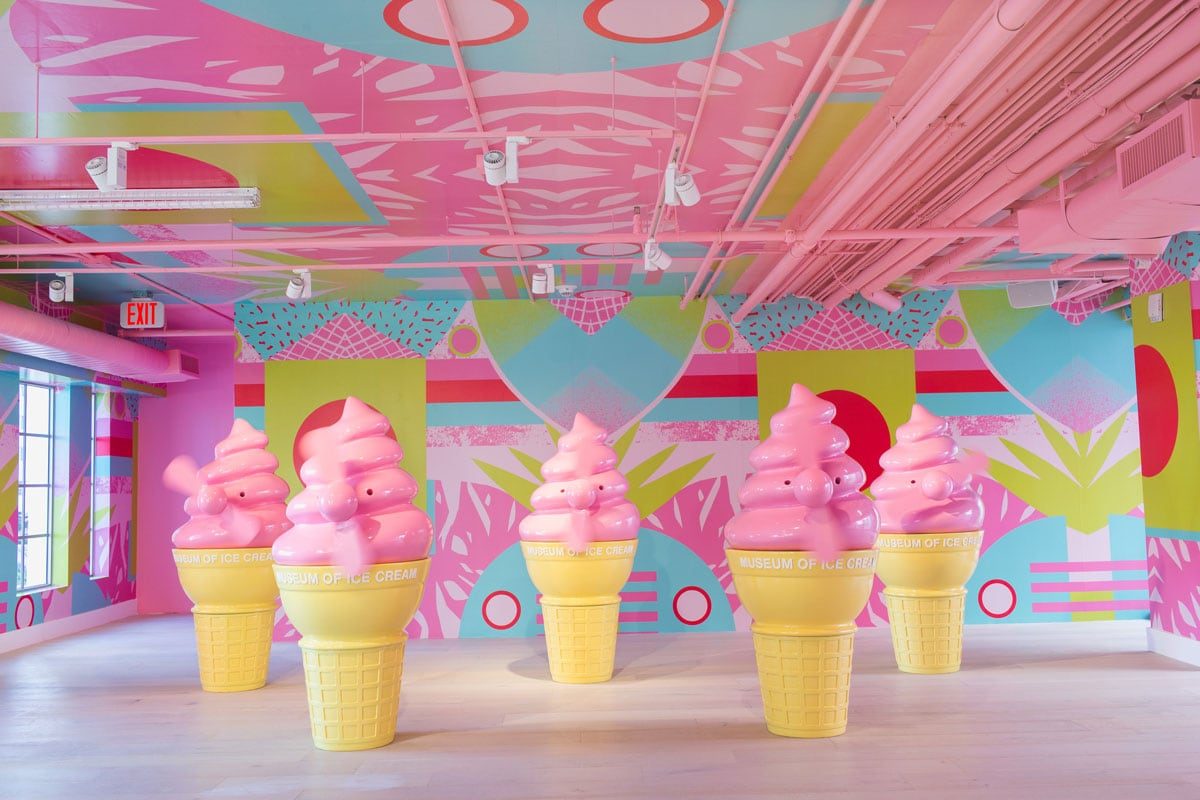
    Museum of Ice Cream – San Francisco

    Each of the goals of these spaces is as different as the artist behind them. The museums that host their work are there to ask questions, provoke thought, explore space, and add a sense of amazement. However, the aims of these recent installations like the ones at the Museum of Ice Cream are further complicated by commercialism. Many of the rooms are sponsored by brands. However, the limit to which these brands impact the experience differs by location.

    Ferney the creator – claims that experiencing a place through selfies goes far beyond the spaces she and others have created. “I go to SF MoMA and everyone’s just trying to get Instagrams,”. “Is that what art is becoming—what you’re experiencing and sending out into the world?”

    Visiting a museum in the 21st century is not a place of quiet contemplation. Where one can simply see art, today we document and replicate it. Fei says in her TED Talk, “In the pre-digital photography era, the message was: This is what I’m seeing. I have seen. Today, the message was: I was there. I came, I saw, and I selfied.”

    Perhaps we should reflect on the experience that we get out of these spaces; rather than if they’re artistic or not. Do they make us think? Is the mind’s eye expanded somehow by these shared experiences? Or simply does experience that you take from these creamed colored daydreams add value to our lives, instagrammable or not.


  • Contemporary African Art

    Contemporary African Art

    Contemporary African Art: Breaking Records

    If our art market forecasters are clever, they should pay attention to the recent auction of modern and contemporary African art at a London based auction house. While the most recent sale of contemporary African art may not be the highest in the category. The auction is a significant increase from its sale last year. Marking an advantageous nod to the future.

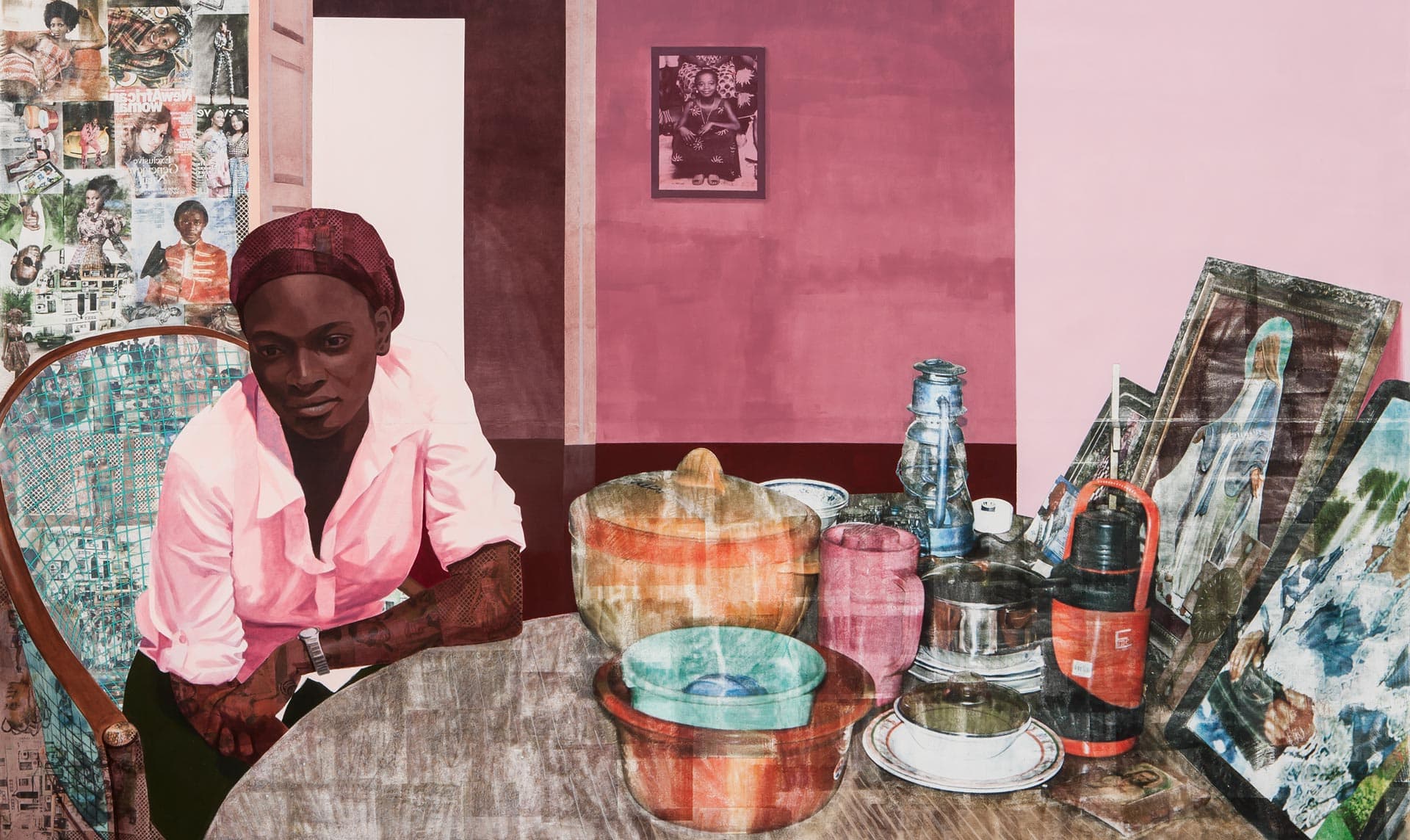
    Setting a new auction record for 11 artists, most of whom are unfamiliar to the Western art world. However, they will not be unfamiliar for long. Before her work began tearing up records in the evening auctions in New York and London, Nigerian-born artist Njideka Akunyili Crosby posted a sharp increase in auction prices at modern and contemporary African art sales.

    New Talent

    Artists whose work gained substantial high notes at the sale include Senegalese artist Omar Ba. Abdoulaye Diarrassouba, a 35-year-old Brooklyn-based, Côte d’Ivoire-born painter. Also notably, the late Moroccan artist Hassan El Glaoui; and the late pioneering Nigerian photographer J.D. Okhai Ojeikere. Whose records broke twice.

    Eddy Kamuanga Ilunga "Oubliez le passé et vous perdez 
les deux yeux" Forget the past and you lose two eyes - 2016
    Eddy Kamuanga Ilunga – “Forget the past, and you lose two eyes” 2016

    Perhaps the most notably at the auction is rising of Congolese talent Eddy Kamuanga Ilunga. His vibrant painting of two figures whose bodies resemble the inside of a cell phone, Congolese Palm. The painting exhausted its presale estimate of $32,000–45,000 to sell for over $100,000. Consequently, beating his previous record of $92,124 set last year.

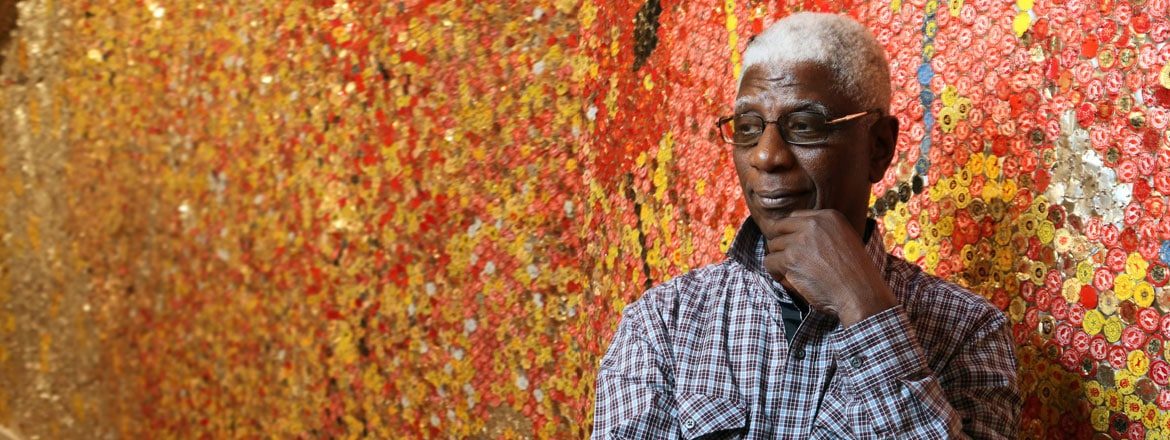
    The significant share of the total, however, was driven by El Anatsui‘s work. He has an established international collector base and a reputation. As the representative for Ghana in the Venice Biennale this year, El Anatsui has long been a blue-chip powerhouse. Also remarkably, he is the subject of a retrospective in Munich organized by the late Okwui Enwezor and Chika Okeke-Agulu.

    His glittering bottle-cap tapestry Zebra Crossing 2 (2007) sold for $1.4 million, decidedly above the presale estimate of $700,000 – 960,000. The work previously sold at a Sotheby’s contemporary evening sale in London in 2013, where it made $771,788.

  • Artist We Love: Hom Nguyen

    Artist We Love: Hom Nguyen

    Artist We Love: Hom Nguyen

    At RDN Arts, we love our artist. They are carefully curated for you the art lover.
    This week we are highlighting the newest artist to join us: Hom Nguyen.

    His talents have taken him from a designer of fine leather shoes to a contemporary artist with instinctive sense of self.

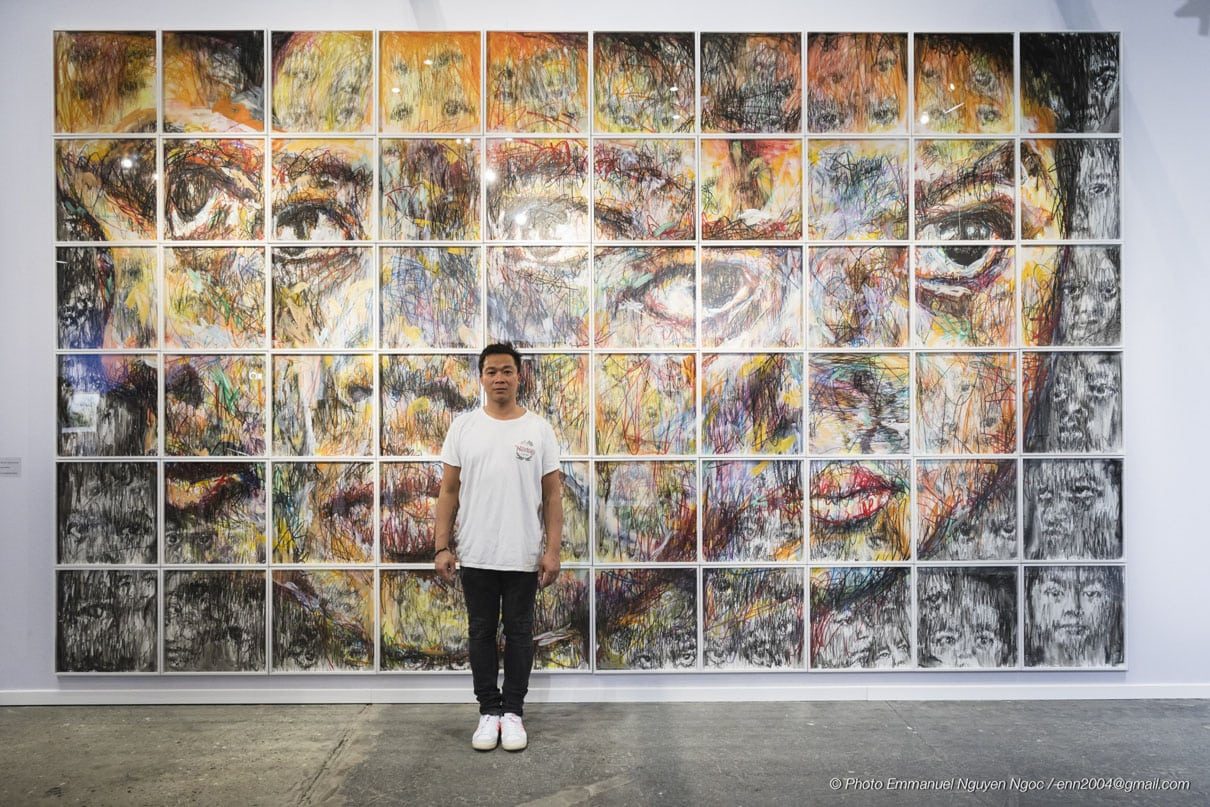
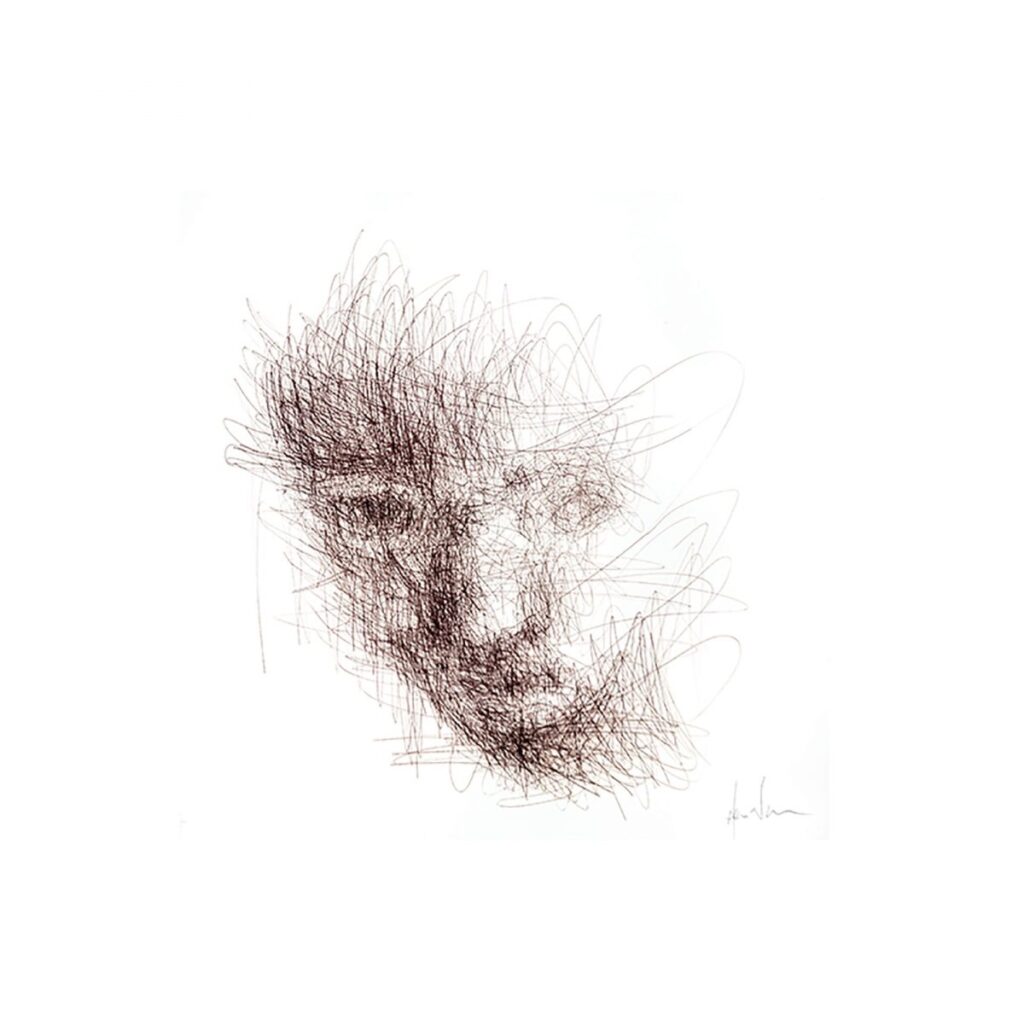
    Trajectoire #5 , drawing by Nguyen
    Trajectoire #5 – Nguyen

    Hom Nguyen’s Background

    Self-taught artist, Hom Nguyen, was born to immigrant parents in Paris. He grew up in a modest environment. At the age of 14, he became the family breadwinner and began to take care of his mother and home.
    Stressful for any teenager, however, Hom Nguyen exceeded at this task. His first job as a shoe salesman for minimum wage helps care for his family, however, his love for art continues to grow.
    His interests in art lead him to integrate it into his work. He invents a patina for shoes and creates many unique models.

    In 2009, inspired by the successful patents of his leather shoes he began to integrate drawing to his achievements. The inspiration he derived from his leather creations gave rise to his distinctive drawings; further excelling his already successful career.

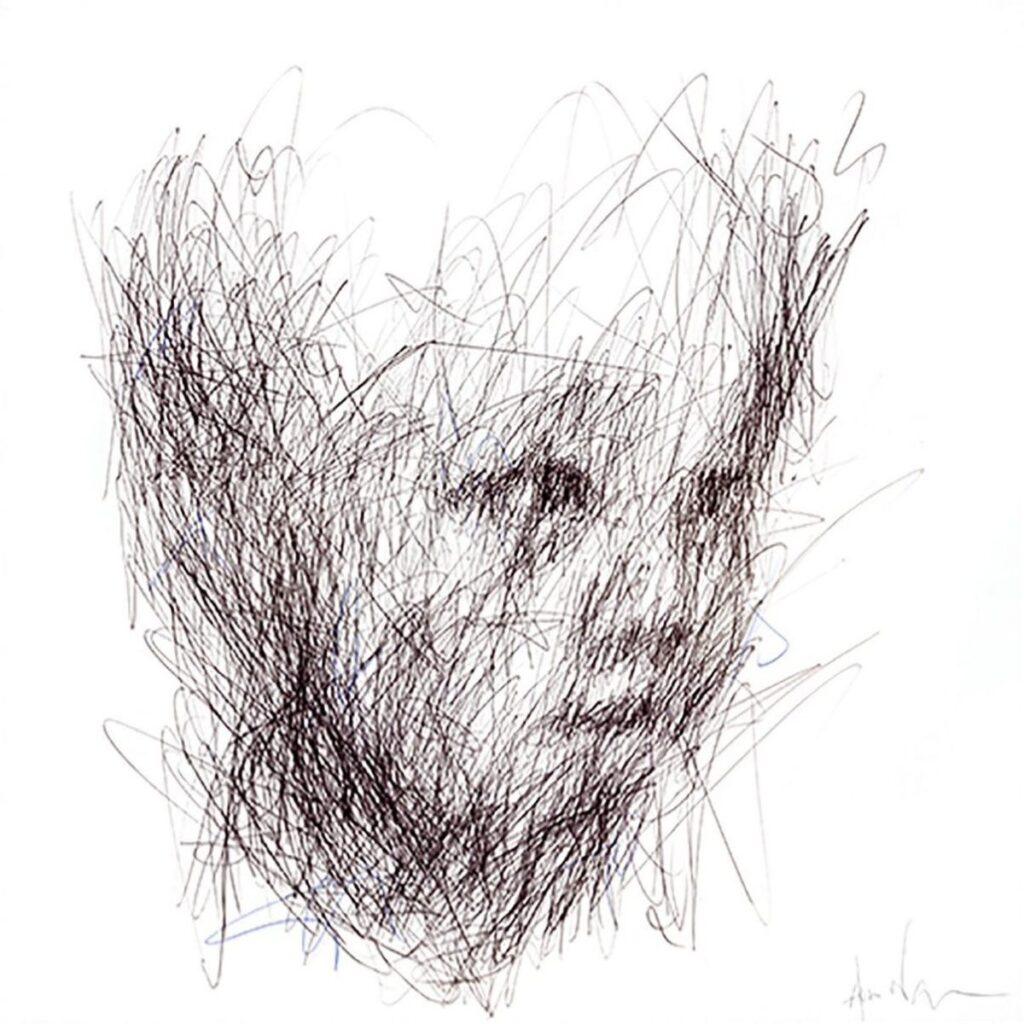
    Trajectoire #4, Nguyen

    Career

    In 2009, after moving to a large workshop in Bagnolet, allowed him to start portraits on large format canvases. By 2011, his paintings were discovered by his patron who still supports him today. He is considered an emerging artist by 2013; where he is acclaimed by MyContemporary.com. They see him as a “meteorite” among his artists.

    His first exhibition “Unveiled the Veil” reveals this young prodigy; a man who managed to make himself while unknown through most social networks. Very close to its origins, Hom Nguyen showcases the trauma of immigrant children in the series “Without Landmarks”. The series features the faces of children without mouths or ears. A retrospective of the traumas he endured through childhood.

    By 2019, working with the Monnaie de Paris Museum and Vogue magazine, he creates Michele Obama’s iconic portrait. The portrait is a phenomenal success at the auction house Christie’s.
    Creating waves in the usually subdued art world. The money raised is used to fund UN Women’s programs for sex equality and women empowerment. He also pays tribute to Edith Piaf this year, by creating a portrait currently on display at the Tenon Hospital’s Meyneil wing. This masterpiece also covers the outside wall of the same building, where Edit Piaf was born.

    Hom Nguyen’s Art

    Youman

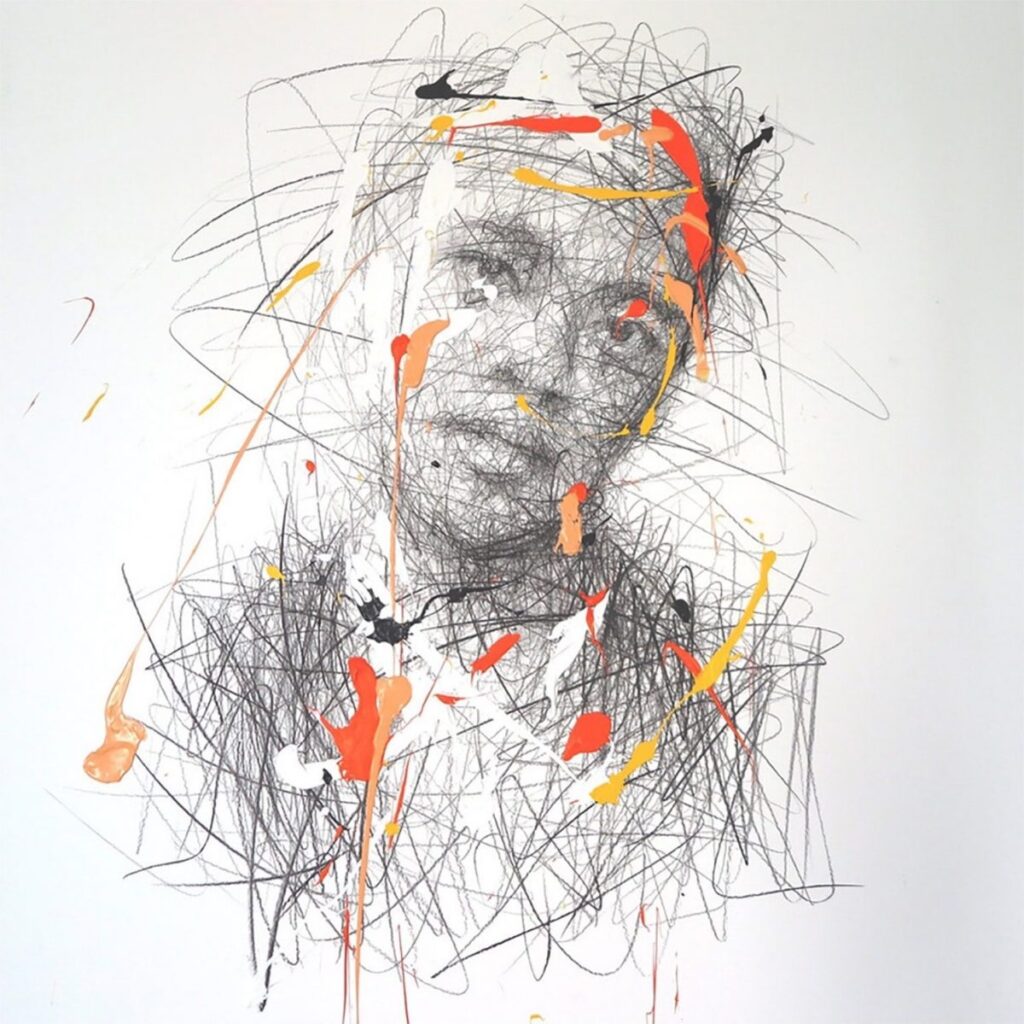
    As an unconventional person – Hom Nguyen work reflects this as well. While working with charcoal, gouache felt, oil or even pen, each of his paintings reveal the deepest sense of the human being through the lines and color.

    Hom’s work primarily revolves around portraits. The application of the material or the vivacity of the gesture amplifies his vision. The portraits capture and transcend the depth of feelings. They are a representation of the complexity of the emotions that we face every day.

    His subtle representations deal with the duality of the visible and the invisible. His work is also a reminder to push ourselves to reflect and meditate on the facade we show the world.

    The portraits are a recreation of humanity and are related to our daily life. Creating a dialogue with a mere suggestion.

    Hom Nguyen is an artist we love because of his unique sense and portrayal of humanity. His remarkable works speak on the injustices that he and many people face. Although faced with hardship – he used his humble beginnings to create the masterpieces we graced with today.

  • Nazi-Looted Art Returned

    Nazi-Looted Art Returned

    The Riches of War: Stolen Art from Jewish Homes

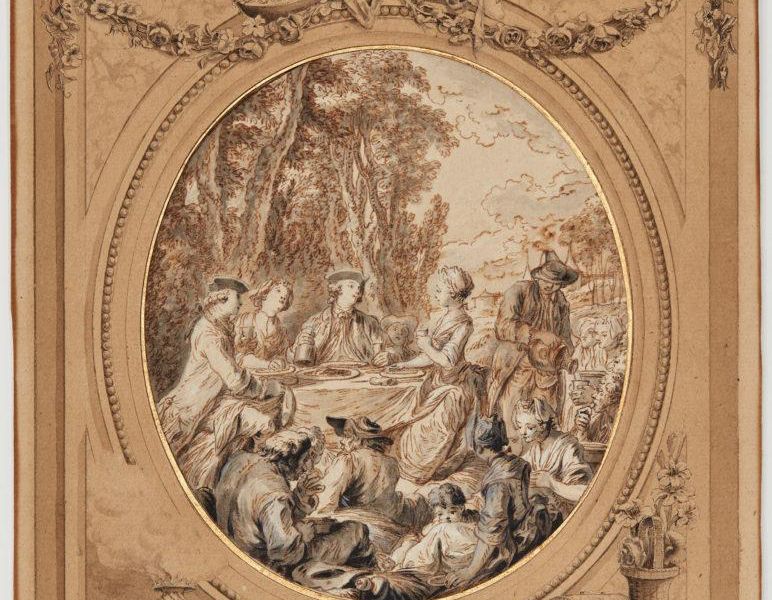
    The second world war brought with it a wash of casualties. It also brought with it the theft of priceless art, stolen from Jewish homes. Recently, art belonging to the Deutsch de la Meurthe family was restored to them by Germany. Living in Paris when Germany invaded and occupied France, the Nazi’s stole 4 of their precious drawings. Nazis seized their house, using it as a storeroom for other art and furniture stolen from Jewish families.

    The artworks were discovered in the home of Benita Renate Gurlitt. She was the daughter of Nazi-sanctioned art dealer Hildebrand Gurlitt. She died in 2012. The drawings; works by Charles Dominique Joseph Eisen, Augustin de Saint-Aubin and Anne Vallayer-Coster, will return to the descendants of that family.

    Hitler’s Grand Scheme

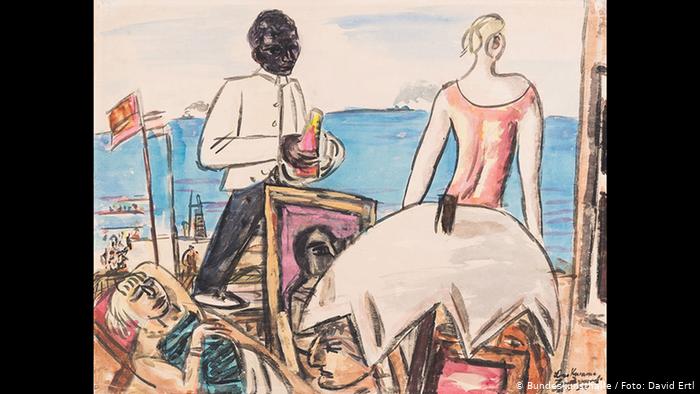
    The watercolor by the Jewish painter Max Beckmann entered Gurlitt’s collection only in 1945. Gurlitt collected and exhibited modern art, curating Beckmann’s last exhibition in 1936 before the artist fled Germany.

    In an attempt to build a museum that only featured art by “Aryan” Germans, Adolf Hitler sanctioned the raiding and destruction of art from other contemporary artists. He saw the artwork as debasing and as “degenerate art”. He wanted to purge Germany while he planned to build the Führermuseum, or “Leader Museum,” in his hometown, the Austrian city of Linz.

    Only four German art dealers including Hildebrand Gurlitt had the approval to sell “degenerate art”. Over the next few years, Germany removed and stole tens of thousands of “degenerate art” from state and private collections. Nazis burned some of these pieces and sold others abroad.

    Discovery and Restoration

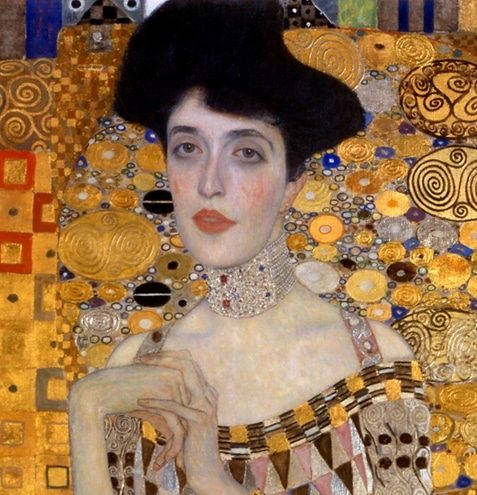
    Also famously restored to their family’s heirs is the painting of Adele Bloch Bauer I. Her decedents famously petitioned the Austrian government to return the painting to them.

    German authorities found hundreds of these works while investigating Gurlitt son, Cornelius Gurlitt, for tax evasion. German officials also discovered most of the known pieces in Hildebrand’s son’s apartments. Leading authorities to confiscate 1,566 pieces of art between the two apartments in Munich and Salzburg. Notably among them, were pieces by artists like Pablo Picasso.

    These recent discoveries have created a task force charged with determining the pieces’ provenance. However, determining the works’ provenance has proved very difficult.

    “Even though we have good funding and perfect researchers, even they sometimes can’t clarify a provenance to say that this is a work that came from a family or not,” Andrea Baresel-Brand, head of the Department of Lost Art and Documentation for the German Lost Art Foundation, told Live Science.

    Returning the stolen pieces to the heirs of the artworks’ original owners is difficult. One of the most notable examples of artwork stolen from Jewish homes includes the portrait of Adele Bloch Bauer I. Her family famously filed a claim against the Austrian government to return the painting to their estate. Finally, the four Deutsch de la Meurthe drawings will be restituted to their family’s heirs.

    The drawings were on display at the Gropius Bau museum in Berlin with other pieces from the Gurlitt collection.

  • Surviving the Flame: Notre Dame de Paris

    Surviving the Flame: Notre Dame de Paris

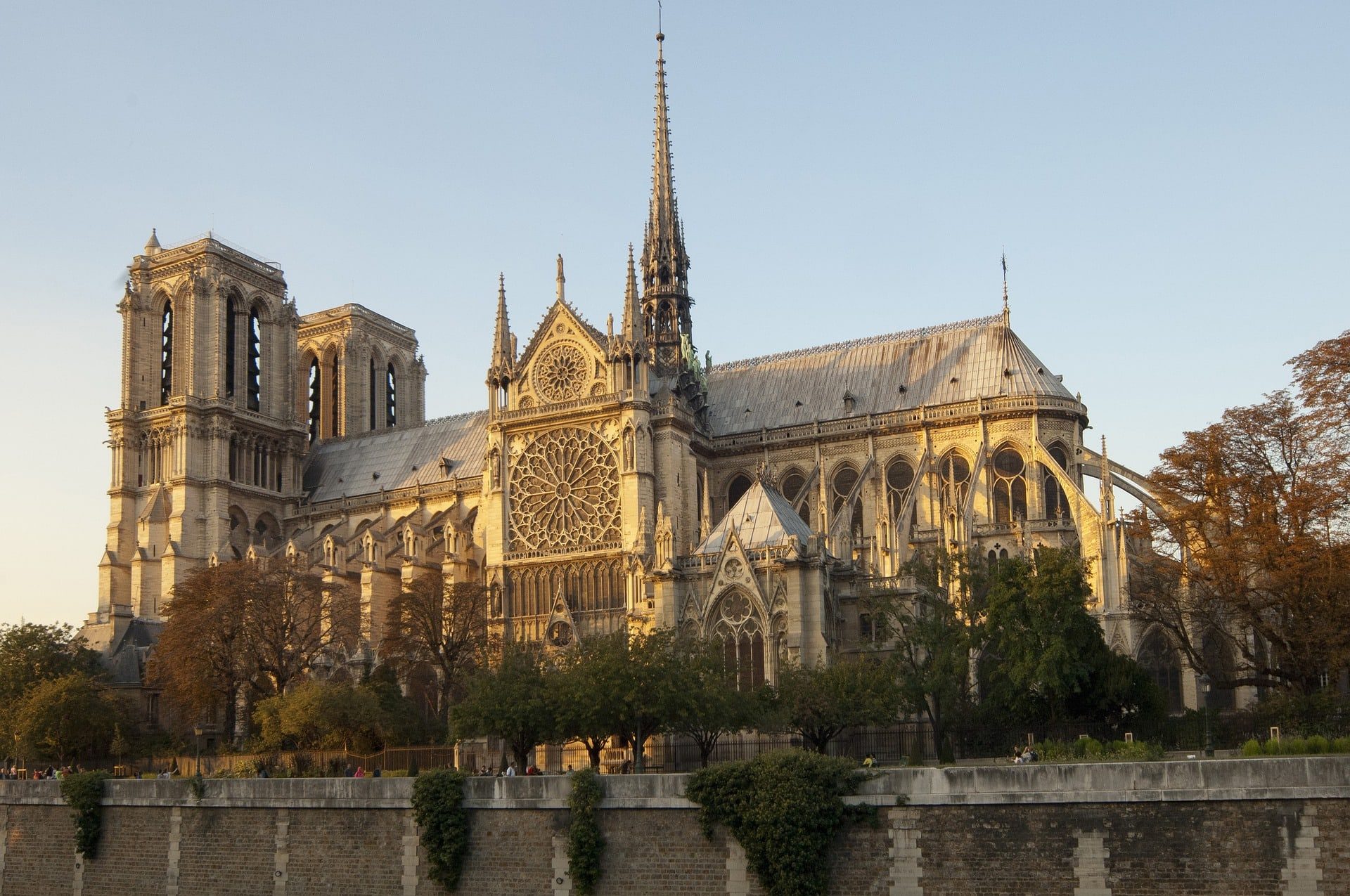
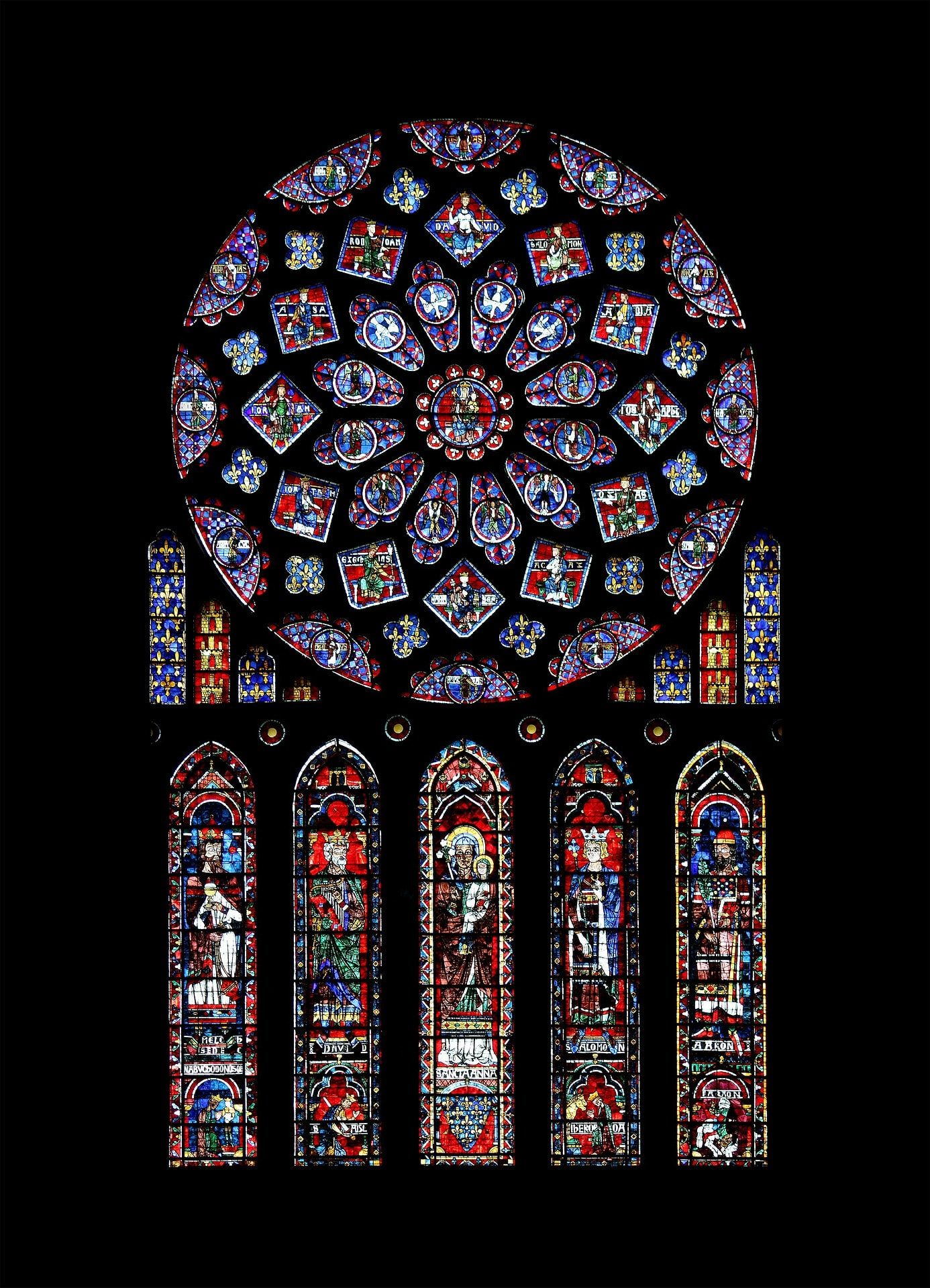
    The world stood still on Monday evening when we all watched in horror. Located on Paris’ Ile de la Cite the iconic monument that graces the cities skyline was set ablaze. The spire, originally built in the 13th century and roof were destroyed in the fire. The artistic lost in Notre Dame could have been horrific. Thankfully, the Parisian fire department and officials were able to save many of the priceless artifacts. Most notably among them the Rose windows, a trio of immense stained- glass windows, and the Crown of Thorns which the cathedral calls its “most precious and most venerated relic” were snatched from the fires grip. Also saved from serious damage were the twin bell towers and the original Great Organ.

    Many of the artworks have survived the devastating fire from Monday evening. According to the New York Times, works which were evacuated during the blaze are being relocated to the Louvre. French Culture Minister Franck Riester states that many of the large paintings inside the Cathedral suffered smoke damage and perhaps also water damage. These works will move to the Musee de Louvre as well.

    More than just a Cathedral

    Cathedral Notre Dame De Paris

    La Notre Dame de Paris, commonly known as Notre Dame is a medieval Catholic cathedral. It sits on the Ile de la Cite, in the 4th arrondissement of Paris. Construction on this iconic cathedral began in 1160, under Bishop Maurice de Sully. Initial completion one hundred years later in the 1260s. Throughout its history – it has seen two world wars, undergone several modifications, and yet it has stood tall at the center of the city. Much more than a religious house, the Notre Dame is a museum from the 13th century. It is home to priceless relics and religious artifacts from that time. It witnessed the coronation of an emperor and the focal point for visitors the world over.

    The Notre Dame is more than just a cathedral. Equally, i is much more than a landmark. Taking over one hundred years to complete the Notre Dame is a physical testament of medieval ingenuity and strength. It is also a testament to the artistic quality and workmanship of that era. The Last Judgement at the main entrance of the cathedral – is a wonderful display of the artistic genius of that epoch. It is culturally significant for not only the people of France but the world over.

    Artistic Loss In Notre Dame

    However tragic Monday’s events were – artistic loss in Notre Dame is not new. During the 1790s French Revolution, the Notre-Dame suffered desecration. Much of its religious imagery was damaged or destroyed. Somehow it survived.

    Initially fearing that the stand out features of the church would be lost due to water and heat damage. Experts set out to inspect the building as early as Tuesday. According to Franck Riester, the building is structurally sound.

    The stained glass windows of Notre-Dame, particularly the three rose windows, are among the most famous features of the cathedral.

    “Stained glass, of course, is made in heat,” says Sarah Brown. She is the director of York Glaziers Trust, which preserves and restores the stained glass at York Minster. She immediately reached out her French counterparts to offer her help and support.

    In addition to the stain glass windows, there is much concern for the large paintings that are throughout the cathedral. “The large paintings, at first glance, have not been affected by the fire,” says, Mr. Riester. There is very little news regarding the other items of importance that call the cathedral home.

    Many artifacts were saved before the fire spread to other parts of the cathedral. The copper statues that are normally on the now collapsed spire were removed from the building a week prior. The stone vaulting that forms the ceiling of the cathedral remains largely intact. Preventing the burning timbers falling into the building below.

    Officials including firefighters and police officers formed a human chain to save these objects. Removing them immediately to Paris’s city hall just to the north of the Île de la Cité.

    Restoration of the Cathedral

    Overwhelming support came in from around the world to help build the Notre Dame. Approximately 500 firefighters helped to battle the fire.

    The restoration of the Notre Dame project will not only depend on the availability of materials but on the availability of skilled craftspeople.

    The restoration will take time, effort and especially resources from the global community. The help of the world over will restore the Notre Dame to its original glory. Helping it regain its position as a monument loved the world over. Helping restore the artistic loss in Notre Dame.

  • Modern Master: Mohamed Melehi

    Modern Master: Mohamed Melehi

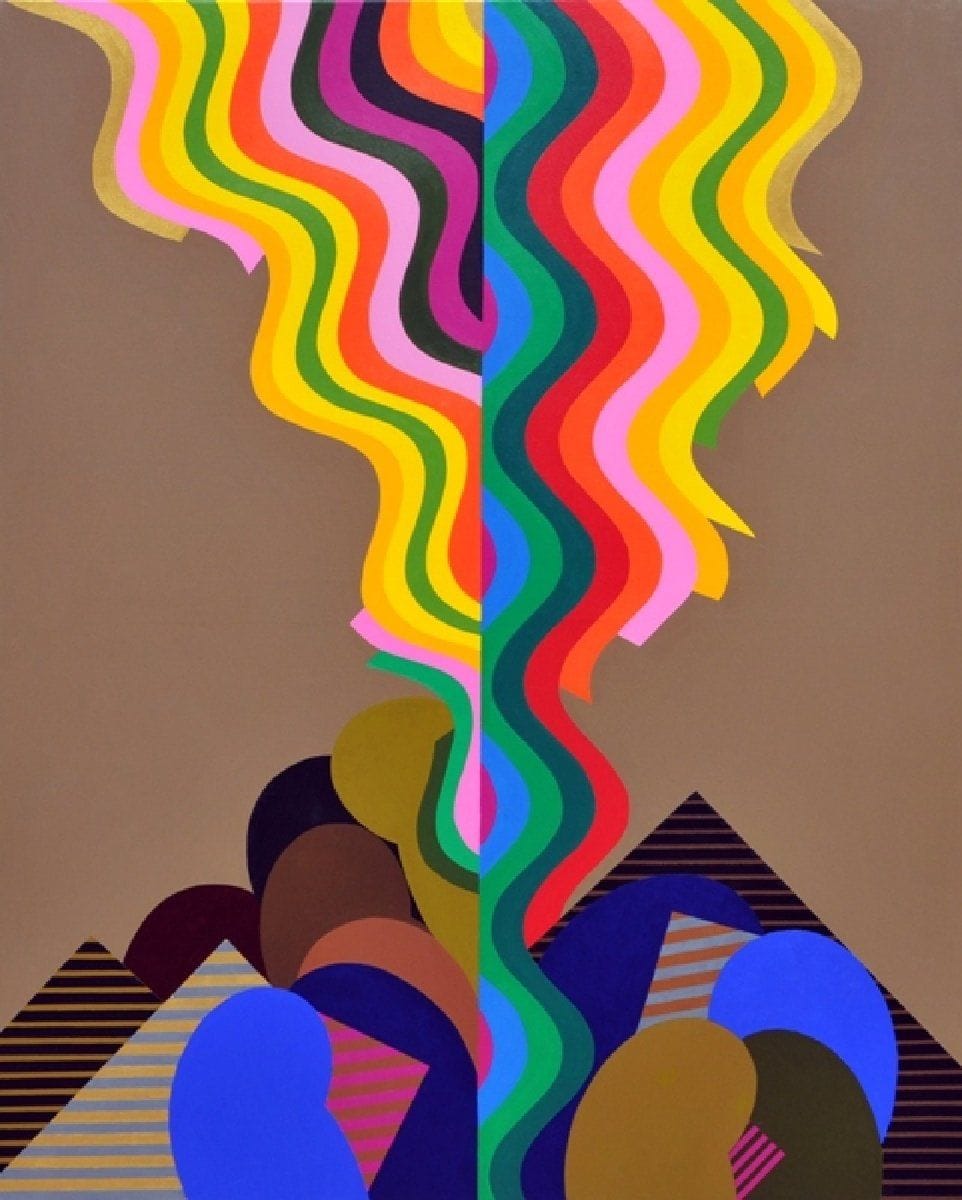
    Owing the majority of their style to the aesthetic of Bauhaus in Germany, a group of Moroccan artist known as the Casablanca School traveled to Marrakech. In 1969 the staged an exhibition in the street. Tapping into the history of abstraction in Arabic art, and heavily influenced by the “hard-edge” paintings in New York by Frank Stella or Elsworth Kelly. The paintings hung on the city’s dusty walls, were a riot of color and pattern. Taking place near the city medina the Exposition-Manifeste intended to snub the official showroom of Moroccan art.

    Radical Art In Morocco

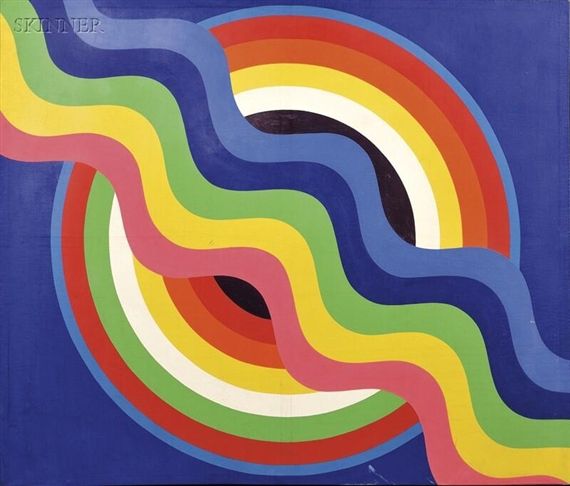
    African Waves II, Mohamed Melehi 1969

    Now 82, Mohamed Melehi, recalls, “We took a position against the government,”. He continues “Our works were in Jemaa el-Fnaa square for a week, exposed to the sun and wind. It was an ideological message about what art could be.”

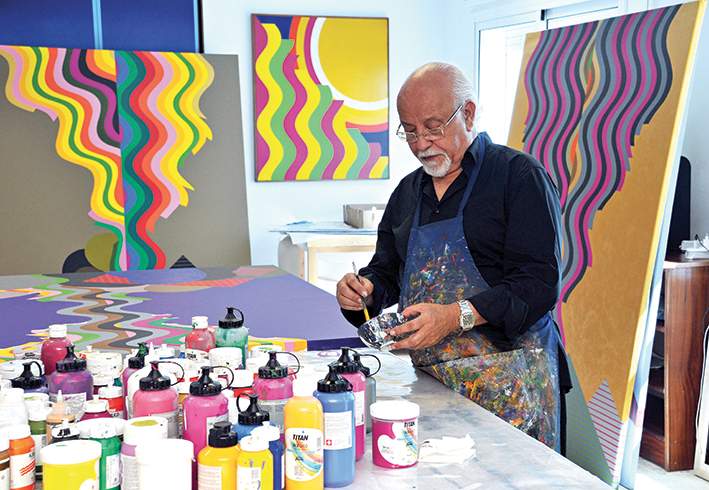
    Melehi’s work had been somber until the 1969 exhibition. Developing his style and after spending time in America, his work became characteristically full of color. His patterns a visual representation of the psychedelic freedom of the time. The wavy parallel lines he would use throughout his career took root during this time.

    Wishing to spread the modern American values to the developing world Melehi started a scholarship. The terms of which dictate that international students returned to their home country after their studies. Hoping “to unite, to maintain and enlarge the friendly solidarity which united or should unite all civilized beings”.

    Eight years after its independence, Melehi found that art played a vital role in Morocco politics. The country, in a crossroads as King Hassan II, hung on to power. “The political atmosphere was very tense. People were trying to claim their freedom and their right to live in democracy.” His art, a safe way of protest. At the time “The authorities did not see the link between art and politics.”

    Meheli Today:

    Mohamed Meheli Casablanca School Founder

    Aspiring to develop modernism that did not mimic the western aesthetic Melehi ingratiates his art into Moroccan daily life. With fellow innovators, Farid Belkahia and Mohammed Chabâa they install their art with the local culture. Melehi was included in the 1963 exhibition Hard Ege and Geometric Painting and Sculpture in America. Melehi reflects, “Hard-edge painting made me rediscover the abstraction inherent in Islamic art,”. Now teaching at the art school in Casablanca, Melehi encourages his students to explore their surroundings. Asking of them “ what could we find in Morocco that was an expression of modernism?”

    Seeking an audience away from the constraints of the museum Meheli continues to work outside. He paints on wood and takes on several collaborations with architects. Seeking to create “postcolonial architecture”. While his paintings entertain a small group of scholars. However, his joyful palette and patterns show Melehi is still looking to influence and reach a wide audience.

    On display until June 22: New Waves: Mohamed Melehi and the Casablanca Art School is at the Mosaic Rooms


  • Madonna of the Pomegranate restored

    Madonna of the Pomegranate restored

    The Botticelli Masterpiece revives

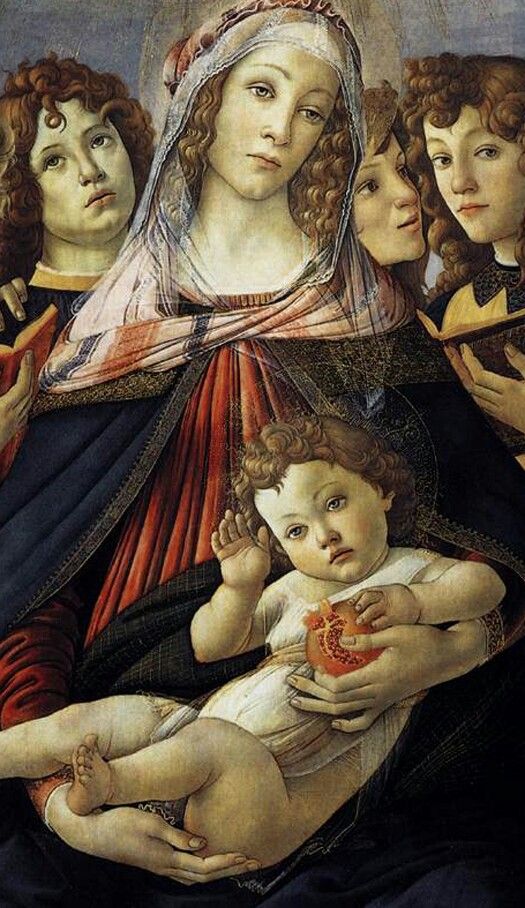
    Once considered an inferior copy of a Botticelli masterpiece, the study of Madonna and child entitled the Madonna of the Pomegranate is a rare original. Experts believe that the piece was produced by the artists’ own workshop.

    According to the English Heritage, the Madonna of the Pomegranate until recently was unrecognizable, covered in thick layers of yellow varnish. The substantial overpainting, obscured the fine brushwork underneath. Subsequently leading to fears it was a poorly-made imitation.

    According to Rachel Turnbull, English Heritage’s senior collections conservator the artwork took several years to restore. Working tirelessly she and her team painstakingly removed the paint. With the inclusion of the expert examination of the recently revealed brushwork, there were several scientific tests that confirmed the painting as an original Botticelli.

    Turnbull continues “Botticelli is very recognisable, and if you know even a little bit about art history, you would look at this painting and say, that’s a Botticelli. But, for sure, there are things out there that purport to be a Botticelli and probably aren’t. So we just wanted to be very careful about what we were saying.”

    Restoration of Madonna of the Pomegranate

    English Conservator – Rachel Turnbull

    While experts can confirm the painting orgins to the workshop of Sandro Botticelli in Renaissance Florence. They are unable to definitively say whether the master himself had a hand in its creation.

    Infrared examination, X-ray testing, and pigment analysis all pointed to the correct date. However, it was the removal of the overpainted halo on the Christ child that solidified her hunch that the painting was correct.

    “We thought long and hard about whether we would take off that later halo. When we eventually decided to do it, we found the evidence underneath of the original halo, but it was slightly in a raking light. I ducked down to pick something up, and I looked up and I could see this perfect pattern of the original halo and I thought, ‘Bingo, we’ve got it.’ It absolutely looks like other things of that from his workshop.”

    A New Home

    Madonna and pomegranate by Botticelli
    Madonna of the pomegranate by Botticelli in the Uffizi Gallery, Florence

    It is possible that Botticelli could have worked on parts of the painting. However, the team has been unable to prove it. “Of course we would have loved to be able to say it’s the hand of the master. But that’s missing the point a little bit. If you were a 15th-century man who wanted to buy a painting like this, you bought a Botticelli. Not a Botticelli workshop piece – that’s what you thought you were getting.”

    Julius Wernher in 1897, an art collector and diamond magnate purchased the painting. The painting went on to hang in a number of homes throughout England. Wernher went on to loan the collection to the English Heritage. Where it displays at the Ranger’s House in Greenwich, south London. A larger version of the same painting by Botticelli hangs in the Uffizi gallery in Florence.

  • Buste De Femme Recovered

    Buste De Femme Recovered

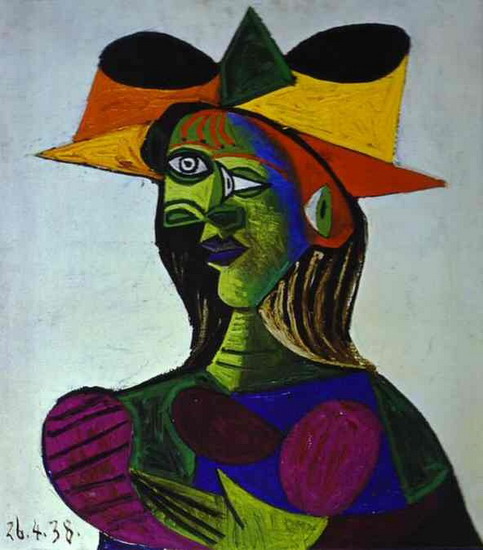
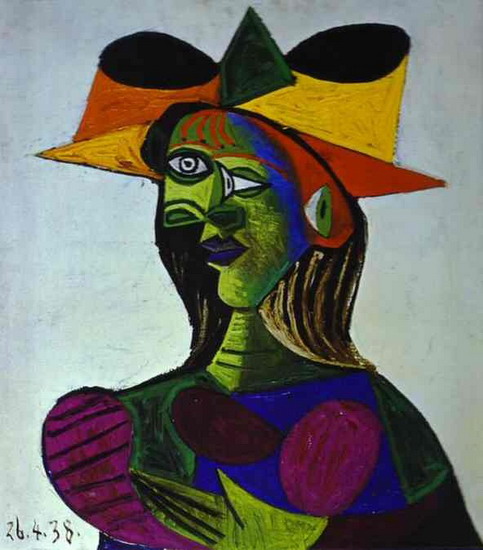
    The Stolen Picasso (Buste de Femme – Dora Maar – 1938)

    Estimated at $28 million Picassos’ Buste de Femme (Dora Maar – 1938) has been recovered. For years, Dutch investigator Arthur Brand searched for the Picasso painting unfortunately stolen 20 years ago. The painting depicts the artist Dora Maar, Picasso’s lover and muse from 1936 to 1943.

    As early as 2015, the stolen Picasso was making the rounds in the Dutch underworld. Brand, having long feared the painting to be destroyed, began the arduous journey by putting out inquiries.

    The last legitimate owner was the Saudi billionaire Sheikh Abdul Mohsen Abdulmalik Al-Sheikh. Stolen from the vessel in 1999 berthed in Antibes, France. He kept the painting aboard his yacht, Coral Island. Previously the canvas hung in Picasso’s home until his death in 1973.

    Black Market Collateral

    The recovery of stolen art is more than replacing the canvas to its rightful owner. Consequently according to Brand “It’s not only the public interest to recover stolen works of art”. He continues, “You are also reducing the amount of collateral that is circling the black market and funds criminality.”

    The painting valued at $7 million at the time of theft, baffled the French police.
    The first big break happening in 2015, where Brand learned of the painting on the Dutch circuit, although he was unaware of which one exactly.

    Currently, the painting is now in the hands of an unnamed insurance firm. Immediately authenticated by a representative present from the Pace Gallery in New York. Celebrating its safe return, Brand promptly hung the painting on his wall. His apartment the richest in Amsterdam “for the day”, he “thoroughly enjoyed it”. Brand then delivered it to the unnamed company’s representative Dick Ellis. A British police officer who is responsible for founding Scotland Yard’s art and antiquities squad.

    Propping up drug and arms deals, perhaps changing hands as many as ten times. The painting used unfortunately as collateral on the black market. Once contacted by two representatives of a Dutch businessman, Brand acted quickly. Realizing that it could sink back into the underworld. “He was at his wits’ end,” Brant told Agence France Presse. “He thought the Picasso was part of a legitimate deal. It turns out the deal was legitimate—the method of payment was not.”

    Miraculously, the painting returned two weeks ago. “You know it’s a Picasso because there is some magic coming off it,” Brand said to the Associated Press.

    Suited Indiana Jones

    Arthur Brand is no stranger to the dark underbelly of the art world. His career traces back to 1994, having helped recover Edvard Munch’s “Scream”. Previously, he has tracked down artworks stolen from the Netherlands’ Westfries Museum in 2005. Brand is responsible for the recovery of paintings by Salvador Dalí and Tamara de Lempicka.

    Brand Known as “an art world Indiana Jones in a suit,”. He is now investigating the famous 1990 heist at Boston’s Isabella Stewart Gardner Museum. Announcing that the missing masterpieces—which include Johannes Vermeer’s The Concert and Rembrandt’s Christ in the Storm on the Sea of Galilee—were in Ireland. Their retuen however, not secure. Currently, “Buste de Femme” is back in possession of the insurance company. They will decided the next steps for the recovered painting.


Our Content.
Your Inbox

Join thousands of art lovers

Receive art news, market analysis and updates about new artists on the website

By subscribing you agree to receive RDN Arts emails. Unsubscribe at any time. Privacy Policy.