Author: xerkss

  • Artworks to see from home

    Artworks to see from home

    While many artworks are engaged better in person, there are others that can be experienced also from the comfort of our homes. Good news considering the closure of museums and galleries all over the world. Below there are a few suggestions for artworks to see from home and to enjoy in digital form.


    Discovering Art from Home

    Barbara Hammer, Dyketactics (1974)
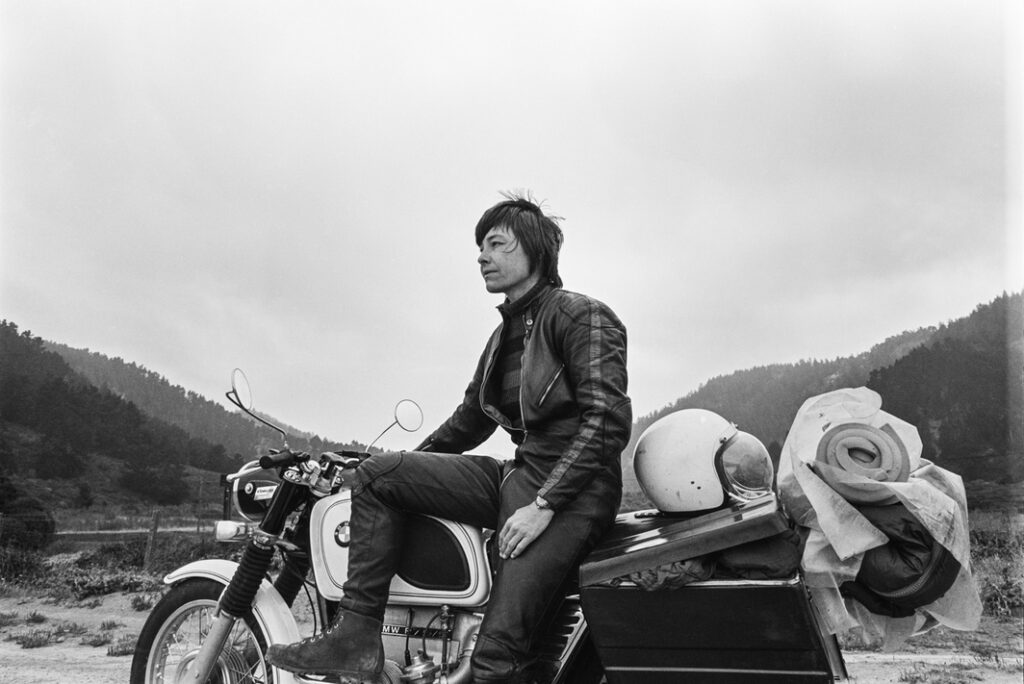
    Artworks to see from home during the quarantine

    Barbara Hammer was an experimental filmmaker who celebrated lesbian sexuality and history in her work in the 1970s. The great majority of her production features natural settings as well as people living in the community. Her art focuses on human intimacy from a feminine point of view. 

    Look at the online tribute to Barbara Hammer

    Jon Rafman, Nine Eyes of Google Street View (2008–ongoing)
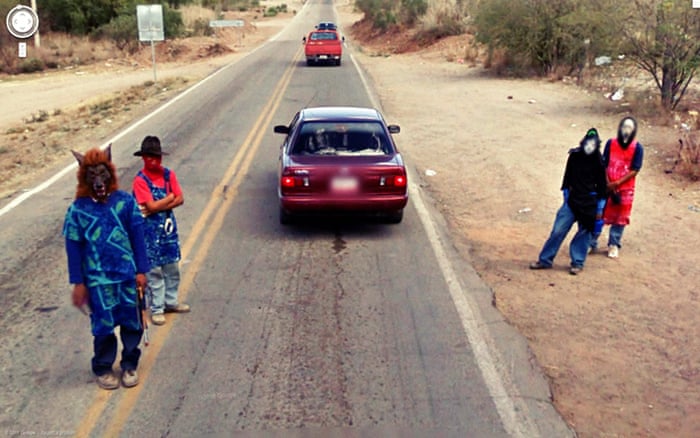
    While many artworks are engaged better in person, there are others that can be experienced also from the comfort of our homes

    Jon Rafman uses new technology to collect peculiar images. By using Google Street View, a service that offers views on given locations, Rafman has been raising a collection of curious captures since 2008. Some of his images went viral, like the one portraying a man skeleton costume in a stroller. Nine Eyes of Google Street View is an ongoing project that is easily accessible on the web.

    Look at Nine Eyes of Google Street View by Jon Rafman on the artist’s Tumblr

    Lawrence Abu Hamdan, Walled/Unwalled (2018)
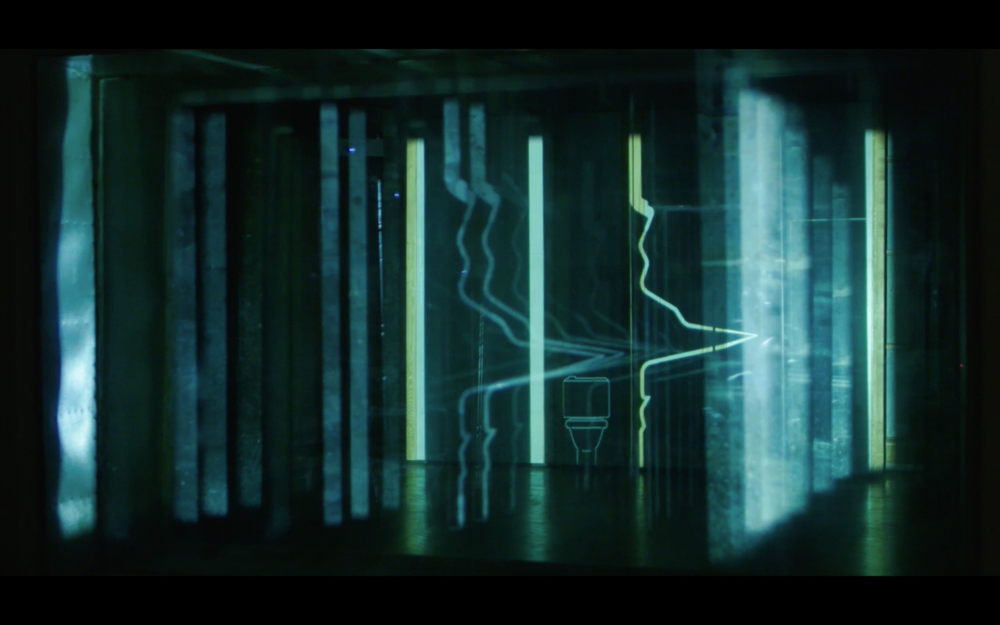
    Lawrence Abu Hamdan, Walled/Unwalled (2018)

    Lawrence Abu Hamdan is a contemporary artist based in Beirut. His work focuses on the political effects of listening. Above all, Hamdan uses different types of audio to explore its effects on human social dynamics. Hamdan’s practice arose from a deep interest in audio-visual installation and sociology. In particular, his production is halfway between the sound and the content. Through the work on display at the last Venice Biennale, the artist deals with the human voice as political materials. 

    Hamdan recorded the entire experience at the 2019 Venice Biennale on his YouTube channel. 

    Look at Walled/Unwalled by Lawrence Abu Hamdan on the artist’s YouTube channel

    Alejandro Cesarco, Learning the Language (Present Continuous 1), 2018
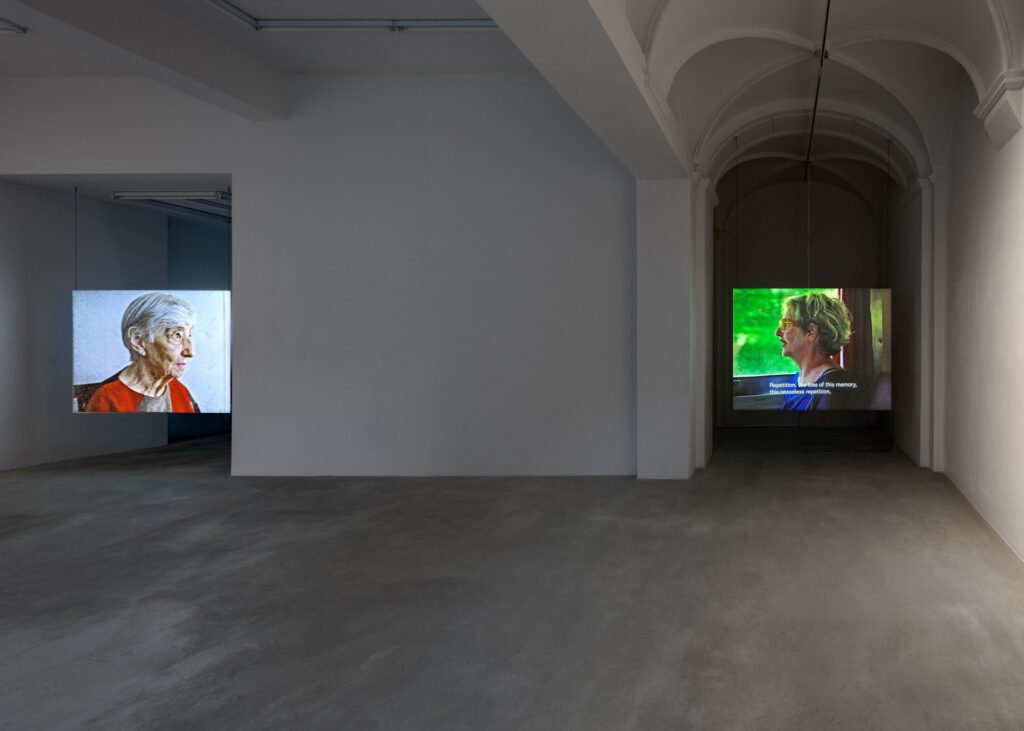
    Alejandro Cesarco, Learning the Language (Present Continuous 1), 2018

    Among the artworks to see from home, there is also Learning the Language by Alejandro Cesarco. Uruguayan-born artist, he soon developed a particular interest in literature and literary theory. His is a kind of art that quests the brittle relationship between image, language, and meaning. 

    In particular, in Learning the Language (Present Continuous 1), 2018 the artist introduces an Argentine pianist and scholar Margarita Fernández playing a movement from a Franz Schubert sonata. 

    For Cesarco, the project is a continuation of his research into narrative structures and translation. In particular, he focuses on twists and turns and possible transpositions from music to film and vice versa. Above all, in his work, language becomes a matter of motifs, resurgences, and combinations, structured like a musical ensemble.

    Look at Learning the Language (Present Continuous 1), by Alejandro Cesarco on Galleria Raffaele Cortese’s online viewing room
  • How to value contemporary artwork?

    How to value contemporary artwork?

    There are many criteria to take into account when giving a work of art a certain value. For collectors, isn’t always easy to tell if a piece is on the market at a fair price. How’s that? To value a contemporary artwork professionals of the field study and interpret all the tiles that concur in works of art.


    Evaluating modern and contemporary works of Art

    The criteria that affect the price of a work of art are numerous and heterogeneous. However, it should not be forgotten that the purchase often includes a strong emotion on the part of the collector.

    Evaluating modern and contemporary works of Art
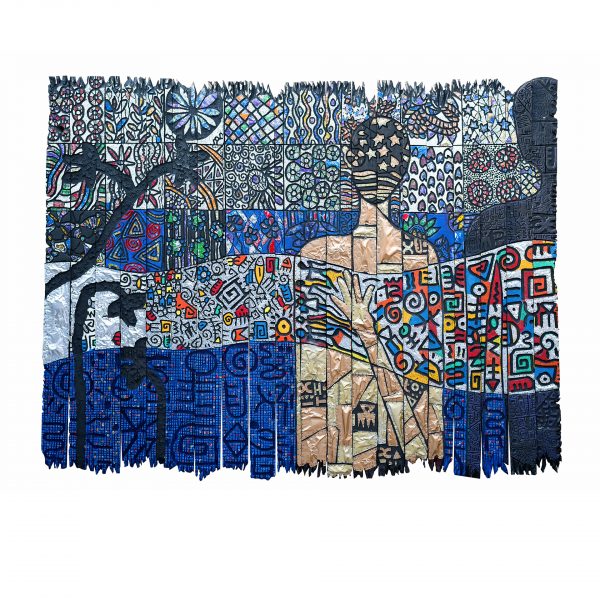
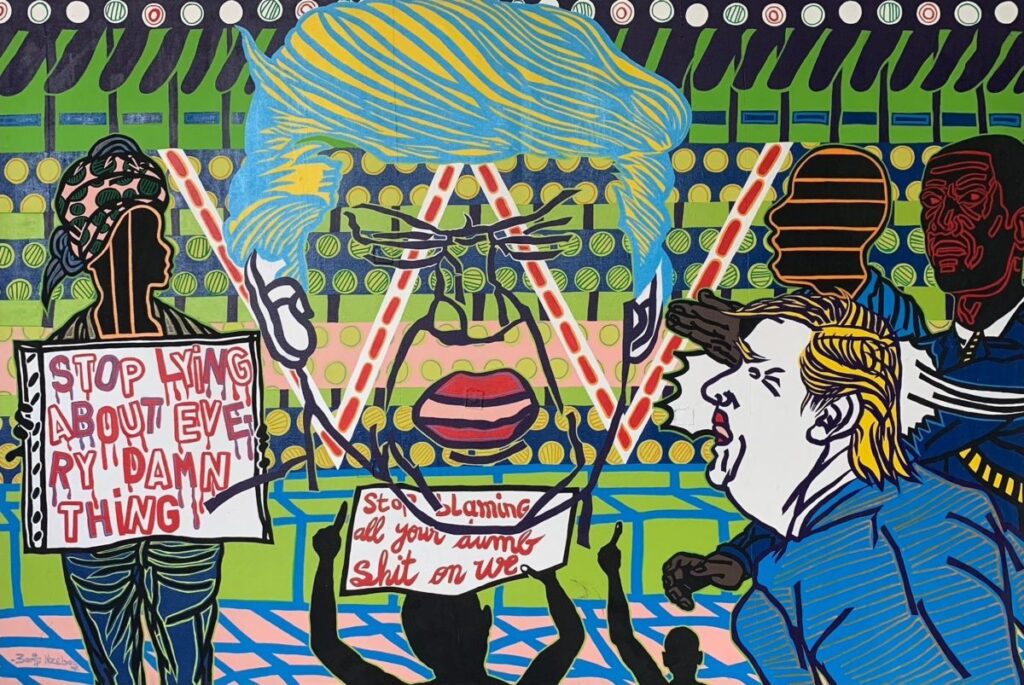
    The Anger by Boris Nzebo, 2018

    At first glance, it seems that analyzing the results of similar works is enough to hypothesize the right price. The reality is way more tricky. Those data should receive a review by art experts. Experienced art advisors are in fact able to recognize the features determining the value of an artwork.

    In particular, understanding art is often a matter of experience. The continuous study and knowledge of the market and works of art are the base point of a conscious approach to acquiring. Even so, the experience is determining.

    Main things to consider to value contemporary artwork

    It is mistakenly believed that large dimensions equate to large prices. This is not always the case, and a large-scale work or installation does not necessarily mean quality art. Also, large works require large exhibition spaces, and this is a commitment to the buyer.

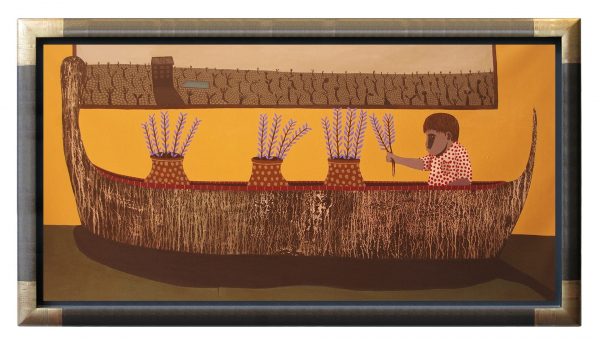
    La Recolta by Francisco Sepulveda, 2016

    The first thing to consider to value contemporary artwork is the author. Clearly, there is a difference between emerging and prominent artists. Other features to consider are those of authenticity, provenance, conservation. Also important is understanding if and where the piece was displayed.

    Among those listed perhaps the most relevant of the factors is the confirmation of authenticity. In particular, it is essential to know who to contact in order not to incur unaware purchases of works without adequate and correct certification of authenticity.

    Embrace by Gérald Chukwuma

    Depending on the case, the authentication can be issued by the artist, if living, or by the gallery that represents it, or by the artist’s archive or foundation. In the absence, the heirs have the faculty and recognition of this activity or an expert universally recognized by the market.

    The role of the art advisor can be significant in the sale and purchase of works. It allows the collector to approach the world of art with a better wealth of knowledge and greater awareness, sharing specific skills to ensure that a purchase born of passion and emotion can also become a good investment.

  • The fate of the Art Market

    The fate of the Art Market

    The fate of the Art Market, as well all the other industries, is not extraneous to the crisis of Covid-19. However, together with the collateral effects of museums and galleries’ closure, the new solutions and possibilities must be taken into account. In the middle of the coronavirus paralyzes, the fate of the art market is not that predictable. According to the experts, this might be the chance to build a more sustainable industry.


    Economic repercussions of Covid-19

    On the other hand, the economic repercussions of Covid-19 have also started to feel stronger for some time. So much so that experts expect a slowdown in the Chinese economy of at least 4.5% in the first quarter of 2020. A slowdown that does not only affect the country’s internal economy but which is having repercussions all over the world. Many companies today are in difficulty due to the interruption of supply chains due to the closure of factories in China.

    Economic repercussions of Covid-19. Galleries turn to technological solutions in the art world

    The first consideration to make is that Covid-19 forced galleries and fairs to turn to technological solutions. Many museums and galleries from all over the world started offering digitized experiences. From the Louvres to the MoMa, institutions used the impasse to create something that was needed.

    Side effects: Artists Online

    Among the “side effects” of the coronavirus there is the decision by Sotheby’s, and Christie’s to postpone the auctions scheduled. These included the auctions of the Asian Art Week in March in New York. As they explained, many “Asian colleagues and collectors were unable to attend the event”. That happened because of the virus and the consequent restrictions on entry into the country.

    In particular, one of the most expected events of the year, Art Basel Hong Kong, happened entirely online. While artists from the world share on social media their perspective and experience, galleries are adapting as well to this new pattern.

    The fate of the Art Market at the time of covid-19

    Clearly, there will be immediate financial hits. Especially considered the number of international exhibitions and fairs that have been postponed or canceled. The data is even more dramatic when considering that galleries report an average of 45 percent of sales through fairs.

    However, the state of emergency profiles itself to be the chance to modernize.

    How the fate of the art market is evolving

    According to the latest Art Basel/UBS report, the fate of the art market is evolving towards highly secure and personalized online platforms. The online retail is expected to grow considerably. In particular, the research group eMarketer in the Art Basel registered statistics that forecast growth of more than 85 percent in the next four years. The online platforms will grow from 14 percent to 22 percent in the art market.

    How the fate of the art market is evolving with the covid-19 emergency

    Could the current situation also be a buying opportunity? Studies and analysis of previous financial crises state that artworks are safer assets during such emergencies. Art adviser Beaumont Nathan states that “There are no examples of collectors who were brave enough to buy in those turbulent times regretting what they bought”.

  • 40 years of the European Parliament Art Collection

    40 years of the European Parliament Art Collection

    While Europe is experiencing one of the most delicate moments in its recent history, the most important European art collection celebrates 40 years. A unique scenario with iconic works, from the 80s to the present day. We are talking about the European Parliament art collection, which tells the most significant events of the EU through almost 400 artworks.


    Simone Veil and the European Parliament Art collection

    The collection was born in the early 1980s. The initiator was Simone Veil, one of the most iconic female patrons in the world of contemporary art. Veil was the first directly elected President of Parliament. Also, she was the first woman to hold this role. Before gaining the presidency, she had some dramatic episodes because of the horrors of the war. She was deported to the Nazi concentration camps of Auschwitz-Birkenau in 1944.

    Simone Veil and the European Parliament Art collection
    What is visible of the invisible by Felix Droese, Germany, 1986 ©europarl.europa.eu

    It was under the presidency of Simone Veil that the European Parliament began to create a collection of artistic works that brought together creations from each of the 10 countries that at the time formed the European Economic Community. By favoring works and artists of a certain prestige, the collection was becoming one of the richest of modern times.

    40 years of the European Parliament Art Collection
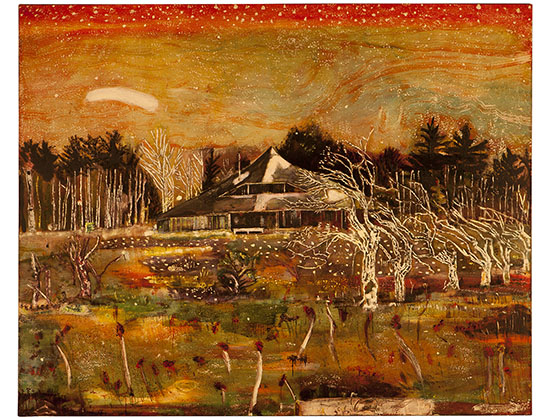
    Winters Milk Weed by Peter Doig, United Kingdom 1991 ©europarl.europa.eu

    In over forty years, art experts from each country in the European Union have contributed to the acquisitions. The collection, in particular, brings together 387 works of modern and contemporary art. Among others, it is possible to admire the works of Peter Doig, Imi Knoebel, Valerio Adami, and Mimmo Paladino.

    European Community Art Collection

    In times when the borders of the European Community become more blurred and precarious, the collection has a renewed importance. First of all, it is a mirror of the community’s cultural image, and above all, it promotes artistic creation in the EU Member States.

    In times when the borders of the European Community become more blurred and precarious, the collection has a renewed importance
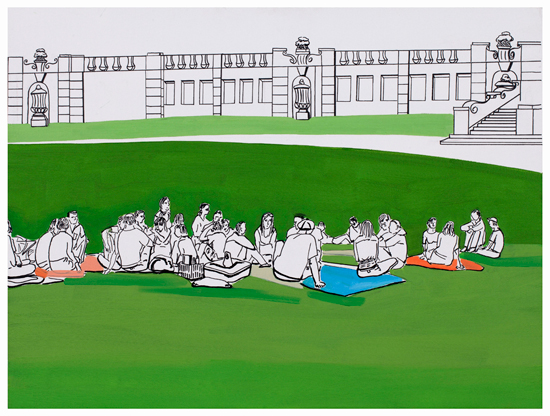
    Afternoon at Burggarten by Vasilena Gankovska, Bulgary 2007 ©europarl.europa.eu

    What is next for the most remarkable art collection in Europe? For acquisitions, surely there will be an expansion in the number of works. The main objective announced is to strengthen the representation of female artists. On the other hand, there is also the desire to give space to the new artistic languages ​​of contemporary art. These include photography, installation art, and graphic arts.

    The European Parliament's art collection celebrates an important birthday, but each premise reveals that it will continue to gain importance,
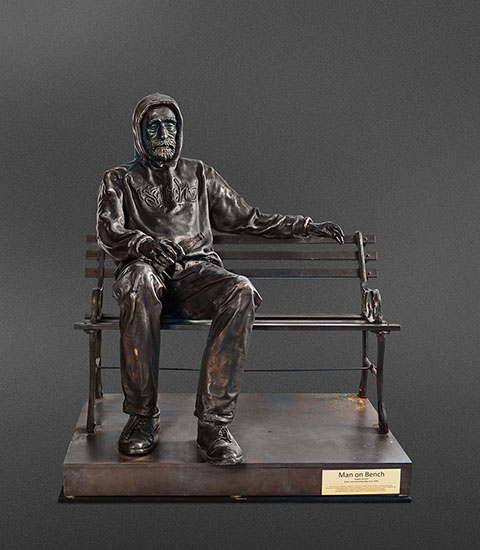
    Man on a Bench by Jens Galschiot, Denmark 2010 ©europarl.europa.eu

    Today, going through the works, we come across Juan Barjola’s tormented and inimitable expressionism. We admire the works of important sculptors, such as Martín Chirino, Rui Chafes or Jens Galschiot. We discover the rural landscape of various Irish artists, such as Martin Gale.

    The European Parliament’s art collection celebrates an important birthday, but each premise reveals that it will continue to gain importance, confirming itself as one of the most important art collections in the world.

  • Art goes on: Contemporary Artists on Coronavirus

    Art goes on: Contemporary Artists on Coronavirus

    Coronavirus is keeping millions of people locked at home. In response, the art world is trying to make art accessible also from home. Not just institutions, but artists themselves are coping with the matter reinventing the art fruition. How are they managing doing so? Of course, through social media. More and more artists are offering a digitized experience to their audience. Also, many coronavirus related artworks are appearing on the web. A conscious approach aimed to sensibilize a wide audience on the matter.


    Art must go on

    A couple of husband and wife artists used a video to illustrate the importance of staying home. The only way to stop the virus from spreading. In particular, the digital artwork is a short animated video that shows a row of matchsticks lined up like dominos. When the first of the matches is ignited, the fire passes rapidly to the closer matches, propagating, eventually, to the entire line.

    https://www.instagram.com/p/B9wTo4SnjuH/?utm_source=ig_web_copy_link

    The video creators are based in the USA. In the other part of the world, Italy, which is currently one of the hotbeds of the virus, a local artist uses Simpsons inspired characters to offer advice on the pandemic.

    The video creators are based in the USA. In the other part of the world, Italy, which is currently one of the hotbeds of the virus, a local artist uses Simpsons inspired characters to offer advice on the pandemic.

    Alexandro Palombo, Milan based activist and contemporary artist, depicts the Simpson family. The purpose is clear since the characters themselves incite people to self-isolate.

    Chinese Artists on Coronavirus

    Actually, several artists are narrating about the struggling situation through illustrations and pictures. Surely by creating images from their experiences on social media, they offer a record, a kind of evidence of this event.

    Actually, several artists are narrating about the struggling situation through illustrations and pictures. By creating images from their experiences on social media, they offer a record, a kind of evidence of this event.

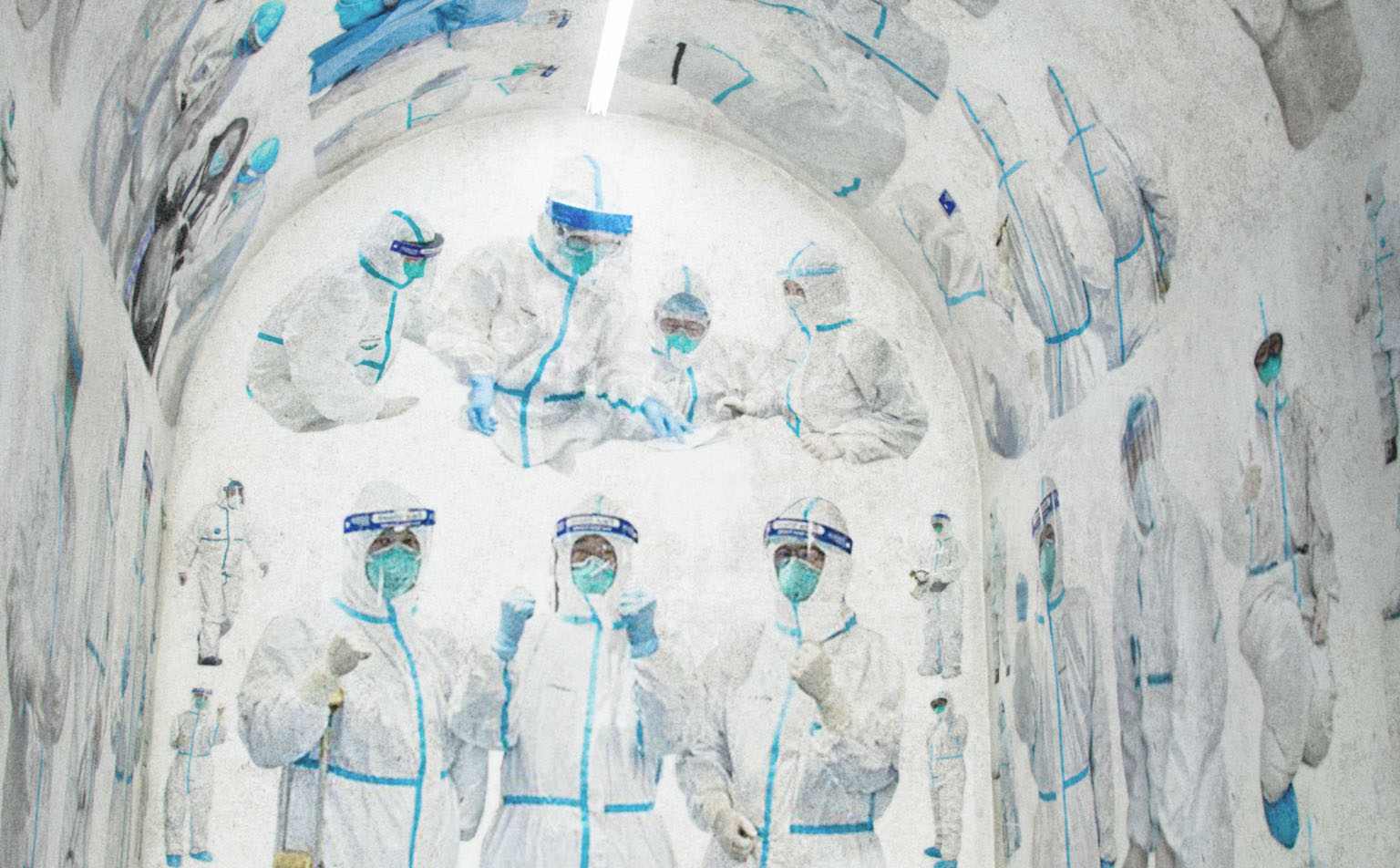
    Cartoonist Kuang Biao depicted and shared via social media, the image of a doctor wearing a barbed wire in the shape of a face mask. The mask appears to perform two main tasks: to protect and to silence. This artwork, in particular, has gone viral on Weibo, the mail Chinese social media platform.

    https://www.instagram.com/p/B8i6aDXFYEs/?utm_source=ig_web_copy_link

    Tommy Fung posted a series of Coronavirus-inspired works on his Instagram page. In particular, the artist, not without humor, portraits people’s reactions to coronavirus in Hong Kong. Fung commented on his latest posts:

    “People are very frustrated and distrustful of the ineffectiveness and delayed reactions of the Hong Kong government. The elderly and people with low incomes are the most vulnerable in this situation and they have not received a single mask from the local government.”

    Chinese artist Matsuyama Miyabi is known for using female characters in dark and mysterious contexts. To respond to the censorship around the virus she created an artwork called “We Call It Free Will Pt. 2”.

  • How the Art world is responding to Coronavirus

    How the Art world is responding to Coronavirus

    Coronavirus is impacting the world in a variety of different ways. Like any other sector, the art world has also been profoundly affected by the current situation. Coronavirus postpones many important cultural and artistic events all over the world. However, art always finds a way to settle, even in a crisis of this magnitude.


    European Art Institutions offering virtual tours

    Among the various events postponed there was Art Cologne. The international art fair has in fact been postponed to next November. Like Art Cologne, other relevant events and important institutions have temporarily closed their doors. An act of indispensable civil responsibility, which however does not smooth the centrality of artistic value at all.

    To align with these new needs, many institutions offer free virtual tours.

    From Louvres to MoMa

    In England, the British Museum offers a rich online database divided by themes and eras. A fascinating journey to discover the history that holds every work. In particular, the museum boasts around eight million objects. Of these, about half are virtually accessible.

    prado museum 200th anniversary

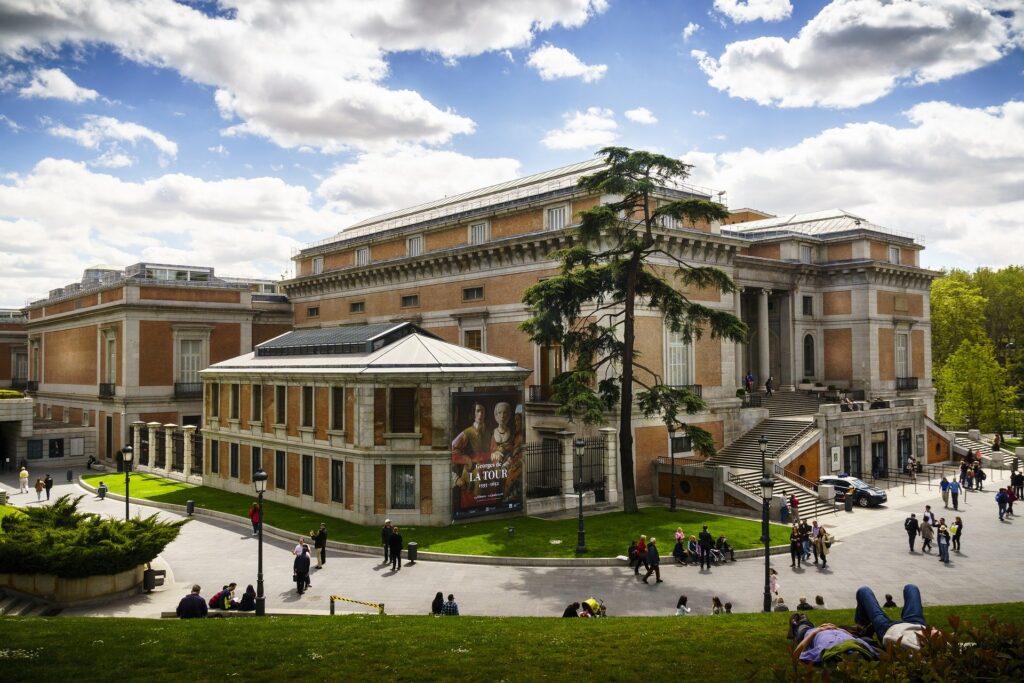
    On the occasion of the closures due to the coronavirus emergency, the Prado Museum in Madrid has also decided to implement its virtual presence. Many works by various artists will in fact be accessible via the official Prado website. Specifically, the works are presented in a multi-level timeline. Furthermore, the voice of the director Miguel Falomis accompanies the story of the masterpieces of the Prado.

    The Louvre offers a 360-degree view of the museum’s exhibition rooms. In addition, the tour allows accessing virtually the galleries, as well as the square and the external facade of the museum. The famous glass pyramid is also part of the virtual tour.

    European Art Institutions offering virtual tours

    Thanks to the Google Art Project, MoMa has digitized most of its artworks. Today it is possible to admire the works of the museum just as if it were a multimedia gallery. The algorithms developed by Google have made it possible to examine and label not only the works of art but also the photographs and digital works exhibited in the New York gallery. An incredible barrier-free vehicle that allows exploring the 60 best museums in the world also through Street View.

    The answer of Italian museums

    Italy, particularly affected by the infection, has taken drastic precautionary measures to stem the risks. The response of the Italian museums was not long in coming. From the site of the Egyptian Museum of Turin it is possible to visit the renovated rooms. In addition, the director of the institution, Christian Greco, conducts video tours on Facebook to tell the objects of the prestigious collection.

    The answer of Italian museums to coronavirus

    The Peggy Guggenheim Collection in Venice also offers a series of virtual presentations on various social networks. From computer and mobile it is possible to access the masterpieces kept in Palazzo Venier dei Leoni. In addition, there are contents on the life of the famous founder of the collection.

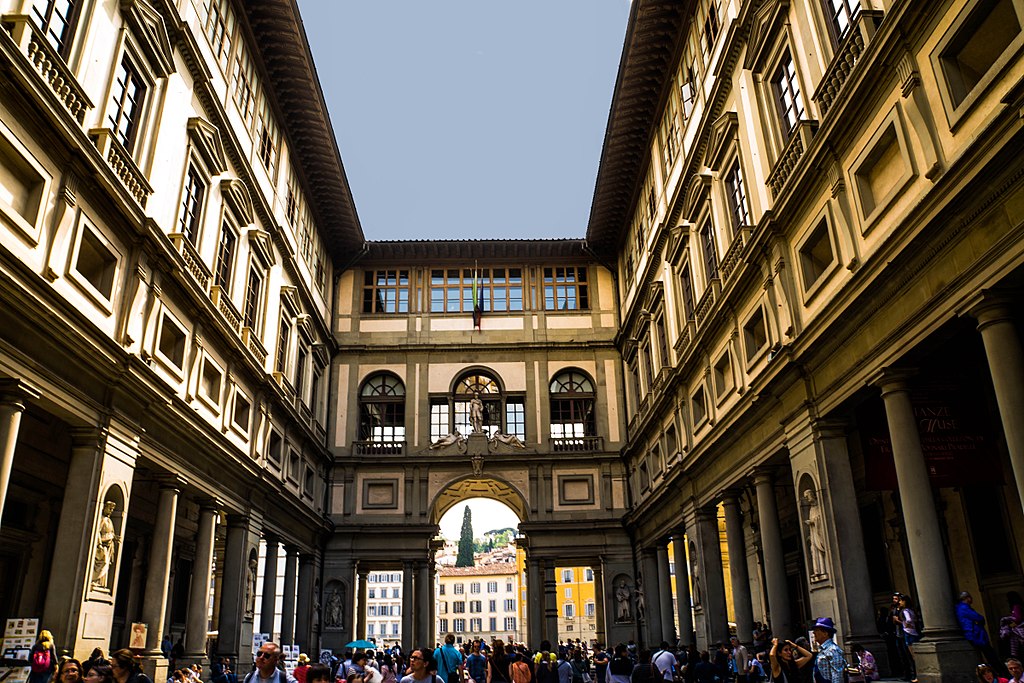
    Finally, the Uffizi Gallery in Florence offers Ipervisioni: high definition images of the masterpieces of the exhibitions.

  • Restoration and artistic attribution: David and Goliath by Artemisia Gentileschi

    Restoration and artistic attribution: David and Goliath by Artemisia Gentileschi

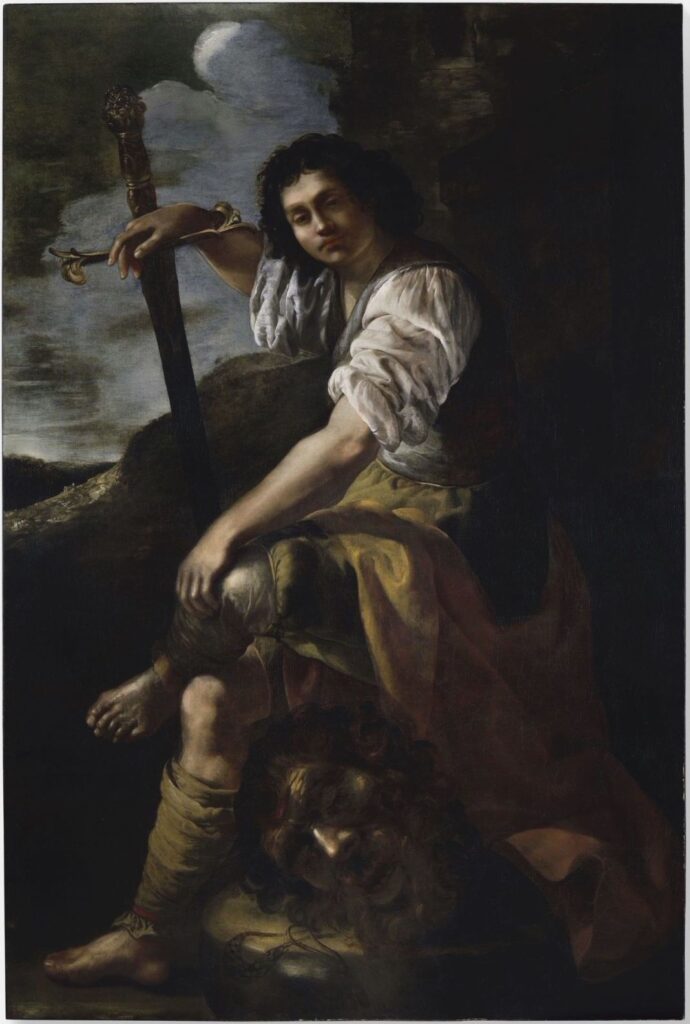
    A painting that has always been attributed to a man is actually by Artemisia Gentileschi. The large oil painting, dating back to the end of 1630, depicts David triumphantly sitting on the head of Goliath. A biblical story was the favorite subject of both Artemisia and her father, Orazio Gentileschi. Today the restoration confirms the attribution to the most famous female artist of the Italian Baroque period.


    The story of the discovery: David and Goliath

    David and Goliath, a painting that emerged for the first time in 1975 at a Sotheby’s auction. For decades it has been attributed to Francesco Guerrieri, an appreciated pupil of Orazio Gentileschi.

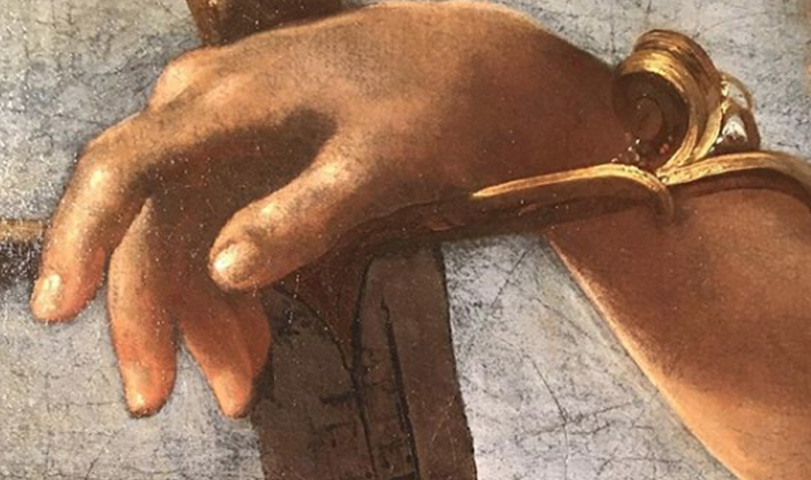
    It took decades of study and research. In the end, the irrefutable evidence emerged following the cleaning of the work. In fact, the signature of Artemisia is on David’s sword.

    The story of the discovery: David and Goliath by Artemisia Gentileschi

    The first doubt on the authorship of the work comes in 1996. Some years later the Hampel Fine Art Auctions in Monaco displayed it in 2018. Artemisia’s role in the history of art had meanwhile consolidated. Doubts had arisen precisely on the attribution of David with the head of Goliath.

    The ocher color of David’s suit, for example. And the same central figure of David refers to the famous self-portraits of Artemisia. But behind it, there is a large number of documents that attribute to the painter more than one picture with a similar subject.

    The story, in addition to being a lucky find, further relaunches the preciousness of the London opera. In addition, it highlights the uniqueness that Artemisia Gentileschi has represented in history. It is, in fact, one of the few female artists to embrace the craft of painting in the 16th century. Certainly, the most famous one that has come down to us.

    David and Goliath by Artemisia Gentileschi

    The proof of the attribution of the work emerged following recent restorations and cleaning interventions signed by Simon Gillespie.

    Details such as David’s sleeve, the light on his face and the minimal landscape provided further evidence. The most incisive, however, is the signature along the blade of David’s sword.

    David and Goliath by Artemisia Gentileschi. The proof of the attribution of the work emerged following recent restorations and cleaning interventions signed by Simon Gillespie.

    Once dust and dark particles were removed, Artemisia’s signature appeared along with the numbers “16-“, probably the date of the painting.

    According to the scholar Gianni Papi, the painting could even have become part of the collection of Charles I for a period, who owned several works by the Roman painter.

    In the era of commitment to the great rediscoveries of art and history, the new attribution falls casually close to the Artemisia retrospective (from April 4 to July 26, 2020) that the National Gallery dedicates to it, with a wide selection of its good jobs, from the youthful phase to full maturity. According to studies, the work, dated 1693, dates back to the London period of Gentileschi.

    David with the head of Goliath will not be exhibited among the approximately 30 paintings in the National Gallery exhibition, but will instead be shown in Gillespie’s London studio.

  • Celebrating Women’s history month: Female Patronage in Art

    Celebrating Women’s history month: Female Patronage in Art

    The International Women’s Day in the art world is an occasion to acknowledge the achievements of women all over the world. In the art field, women didn’t always have the due recognition. That’s why in modern times it’s fundamental to realign the gendered narration in art history, as well as validate female patronage in art history.


    Women’s great collections

    Despite the attempts to build a chronicle of art that is deeply masculine, times changed, and perspectives also. It’s impossible today not to highlight the enormous impact women artists, critics, and collectors had in shaping the modern approach to art.

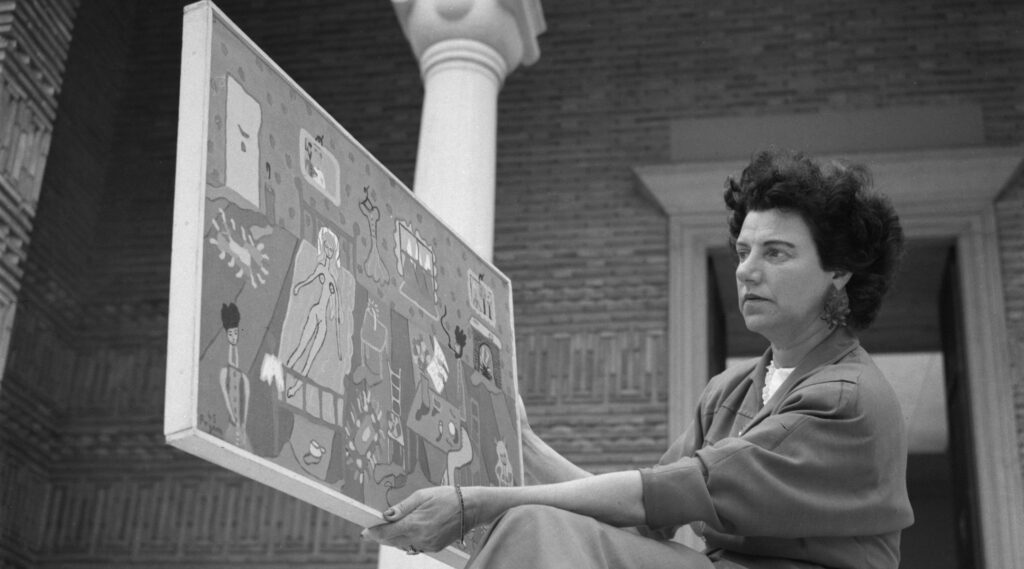
    Peggy Guggenheim transformed a modest fortune in one of the greatest collections of 20th-century art
    Photo of Peggy Guggenheim

    In particular, women played a pivotal role also in establishing and nurturing some of the greatest collections in the world. Indeed, their irrefutable contribution allows us today to access some of the most remarkable artworks of all time. Above all, the evidence of women’s advocacy in art is clear through the history of Anne of Denmark, Helen Clay Frick, Catherine de’ Medici, and Peggy Guggenheim. 

    Female Patronage in Art History

    Art patronage surely connects the idea of aesthetic pleasure with the concept of power. In particular, it’s not by chance that the first great collectors were Emperors and Royals. However unheard, the contribution of female patronage in art is massive. Remarkable examples date back in ancient times, starting with the Empress of Rome Livia Drusilla.

    Livia Drusilla and Madame de Pompadour

    As the art historian Diana E. E. Kleiner writes in her Cleopatra and Rome:

    “The Empress looked to statuary to present her persona in Rome and the empire. She relieved sculpture to describe her relationship with other members of the imperial family. She used coins to advertise the emperor’s policies. Gems articulated that same vision for a more selective audience”

    Diana E. E. Kleiner
    Female Patronage in Art History from Livia Drusilla and Madame de Pompadour
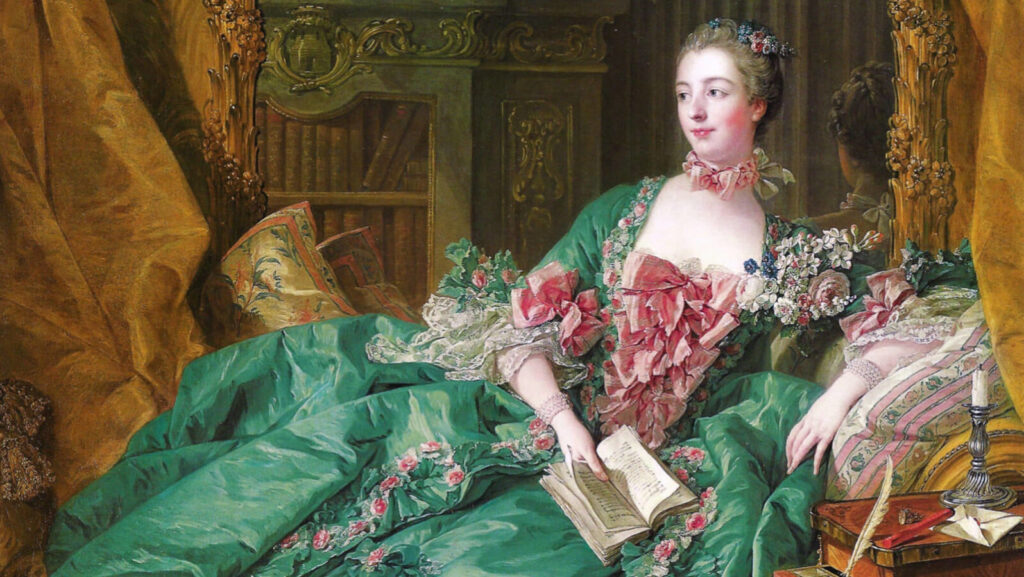
    Portrait of Madame de Pompadour

    Also, Jeanne Antoinette Poisson, better known as Madame de Pompadour, played a key role in commissioning and collecting art by the finest artists of her time. French writers Jules and Edmond de Goncourt called her the “godmother of the rococo”. Her impact on art is consistent despite her controversial role as King Louis XV’s mistress.

    Gertrude Stein and Peggy Guggenheim

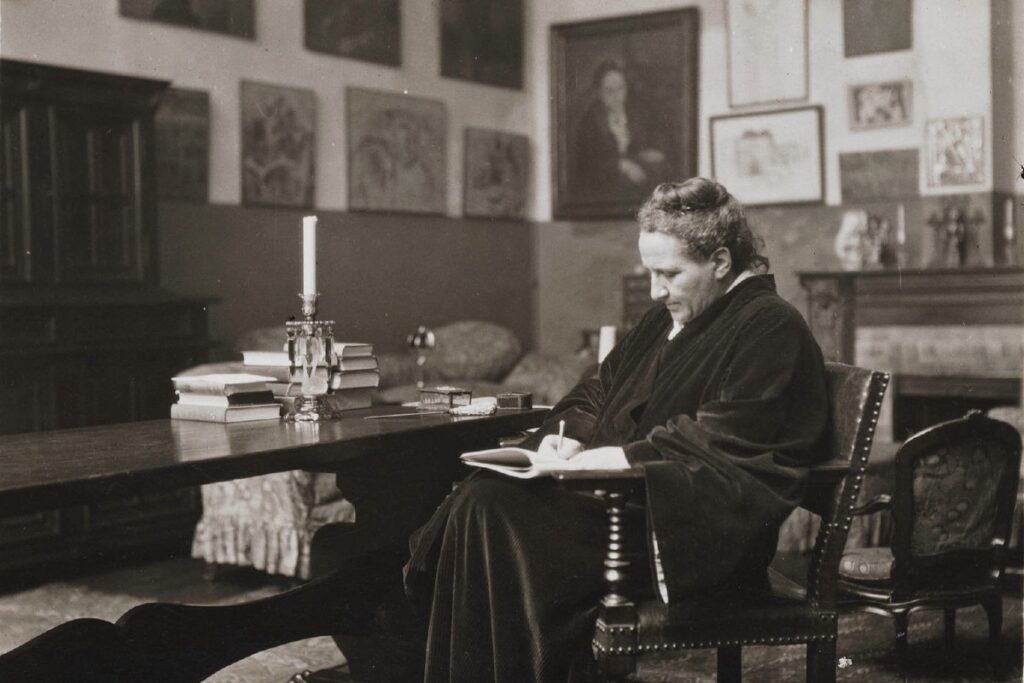
    A more recent example of female patronage in art is that of Gertrude Stein. The American writer hosted the avant-garde art world at her Paris salons. Also, the founder of the Downtown Gallery in New York was a woman: Edith Halpert. Russian, she moved with her family at a young age to America, developing soon a peculiar appreciation for art. Probably due to the historical background she carried (her family was Russian-Jewish immigrant), she used exhibitions as political platforms.

    The female patronage in art of Gertrude Stein, the American writer who hosted the avant-garde art world
    Gertrude Stein Writing at Her Home

    Peggy Guggenheim, on the other side, still is a central figure in the modern art movement. Guggenheim transformed a modest fortune in one of the greatest collections of 20th-century art.

    Being on both sides of art fruition, as a collector and as an artist, she surrounded herself of such figures as Samuel Beckett, Max Ernst, Jackson Pollock, Alexander Calder, Marcel Duchamp.

    Her collection, one of the most important in modern art, is now enshrined in her Venetian palazzo.

  • Art for offices

    Art for offices

    Surely today a consistent majority of workers spend hours in an office environment. When it comes to choosing art for the offices, it’s important to find pieces able to make a visual statement that inspires the workforce and provides the best possible atmosphere.

    Why Art for offices is important

    By now many studies proved the incredible benefits that collecting fine arts has on a business. In particular, the art for the office has a particular interest not only for the stakeholders of a company. The advantages of having on disposal an original piece of art involve a wider community; the suppliers, the customers, the staff… Above all, the emotional and inspirational impact of artwork can enhance a company’s reputation. Both in the eyes of the staff and the clients.

    When it comes to choosing art for the offices, it’s important to find pieces able to make a visual statement that inspires the workforce and provides the best possible atmosphere.
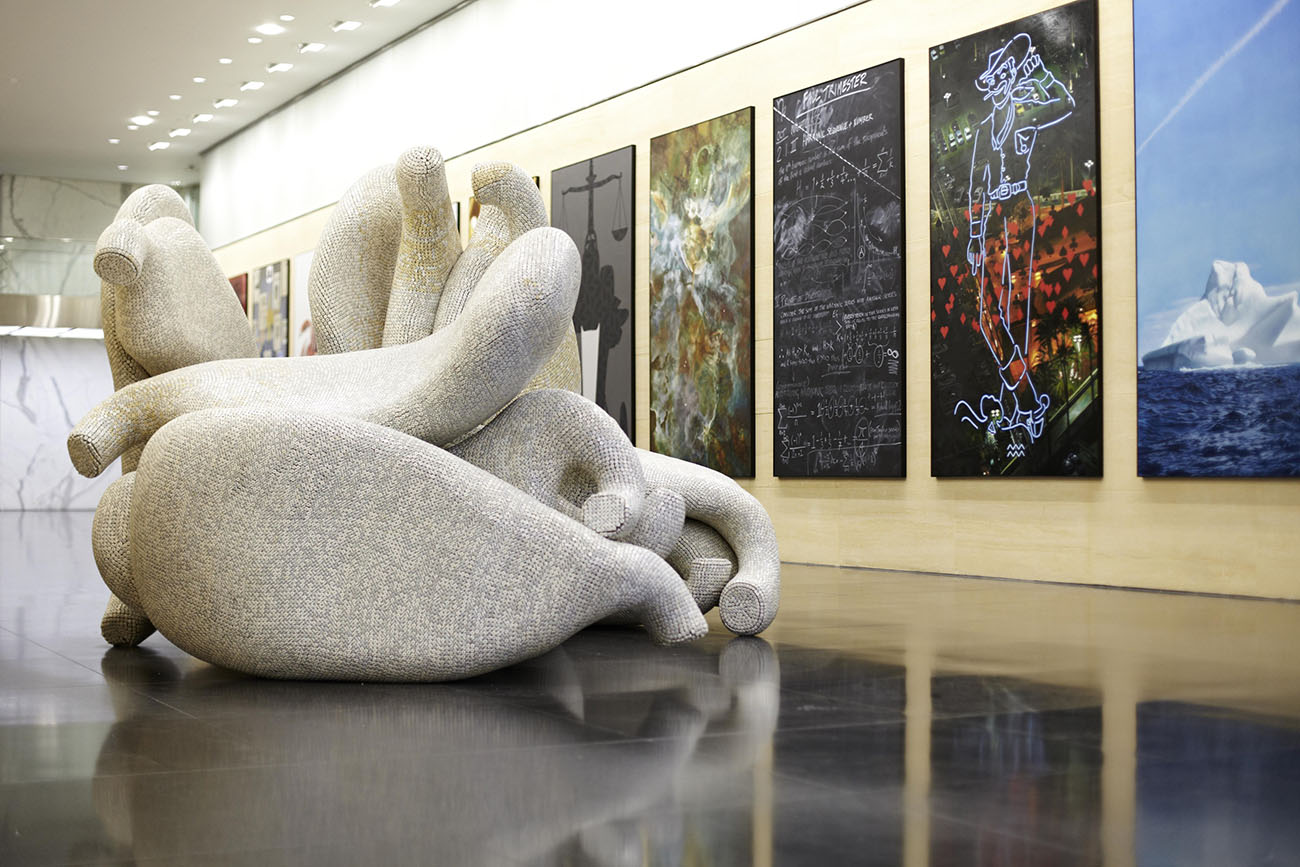
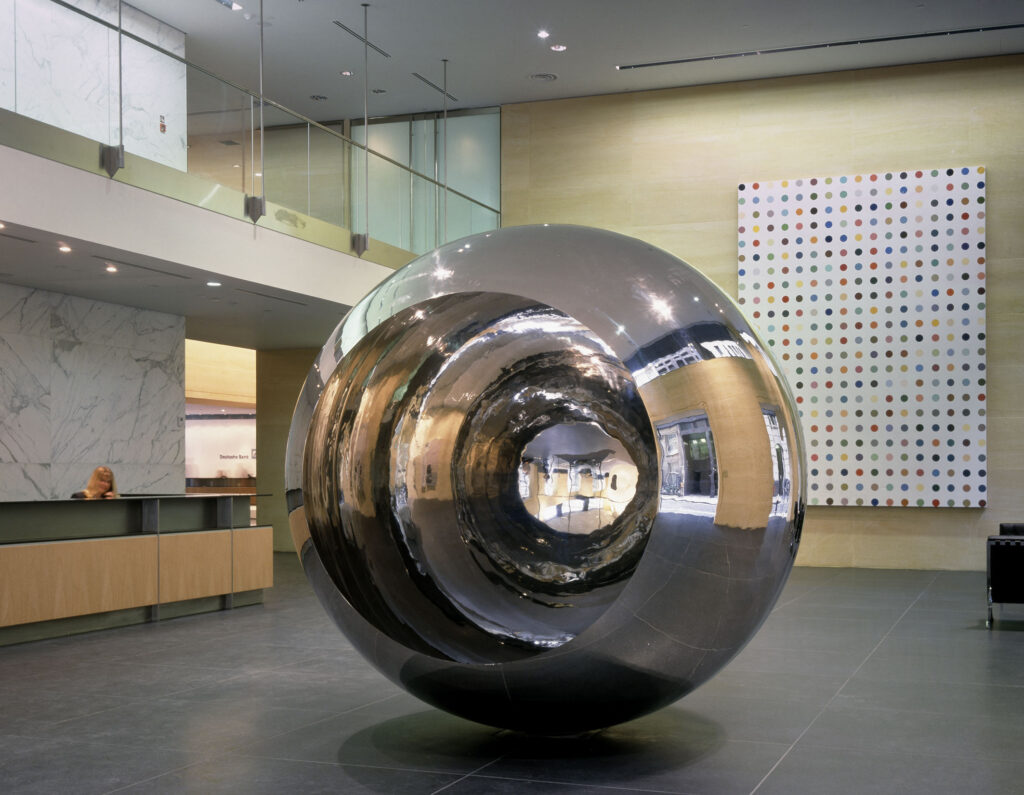
    Skulptur von Anish Kapoor und GemŠlde von Damien Hirst im Foyer des Winchester House, Deutsche Bank, London Sculpture by Anish Kapoor and painting by Damien Hirst in the foyer of Winchester House, Deutsche Bank, London

    A key feature art for offices should guarantee is to convey a sense of balance to the environment. Over time researchers made diverse psychological experiments to show the impact of art on our emotions. Many of them in particular focus on the chromatic palette. Dark colors, such as blue or black, seem to induce a serene mood. On the other side, lighter colors, such as red, seem to stimulate creative processes.

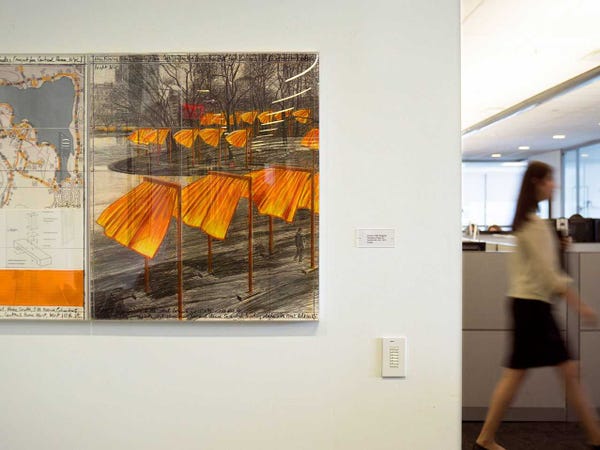
    However, one of the most important proved results is the capacity of art for offices to reduce stress levels. Today, Deutsche Bank has one of the world’s most famous corporate art collections. It counts about 48.000 pieces, 2.500 of which are currently on display in London.

    How to choose Art for the office

    A piece of art for the office surely has to be visually appealing. It offers another focus point, a sort of break from the screen. The British Council for Offices surveyed a large sample of workers, finding out that over 90% of the employees think that featuring art in the workplace increases productivity.

    An artwork meant for these kinds of environments should always be stimulating, somehow inspiring. Of course, there is a whole variety of art forms to choose from. Paintings, sculptures, photography, to cite a few.

    How to choose Art for the office

    It’s actually important to pick a piece that reflects the main features of the business. For example, Pop Art is characterized by vibrant colors, recognizable imagery, mixed media, and collage. This genre of art conveys an enthusiasm that fits perfectly young companies and creative industries. Such as advertising agencies.

    On the other side, more conservative businesses should opt for something different. The Law of finance studios, for example, should be able to display a sense of stability and professionalism also in the workplace. Tasteful classics and landscape art is the most appropriate choice for these workplaces.

  • Ulay, pioneer of Performance Art

    Ulay, pioneer of Performance Art

    Ulay, pioneer of Performance Art

    Frank Uwe Laysiepen (Solingen, Germany, 1943), famous as Ulay, photographer and performer and professor at the University of Karlsruhe, was the undisputed pioneer of performance art, an avant-garde discipline of the seventies to which he dedicated intensely.

    He passed away in Ljubljana, the city where he had lived for years and where he treated his illness.

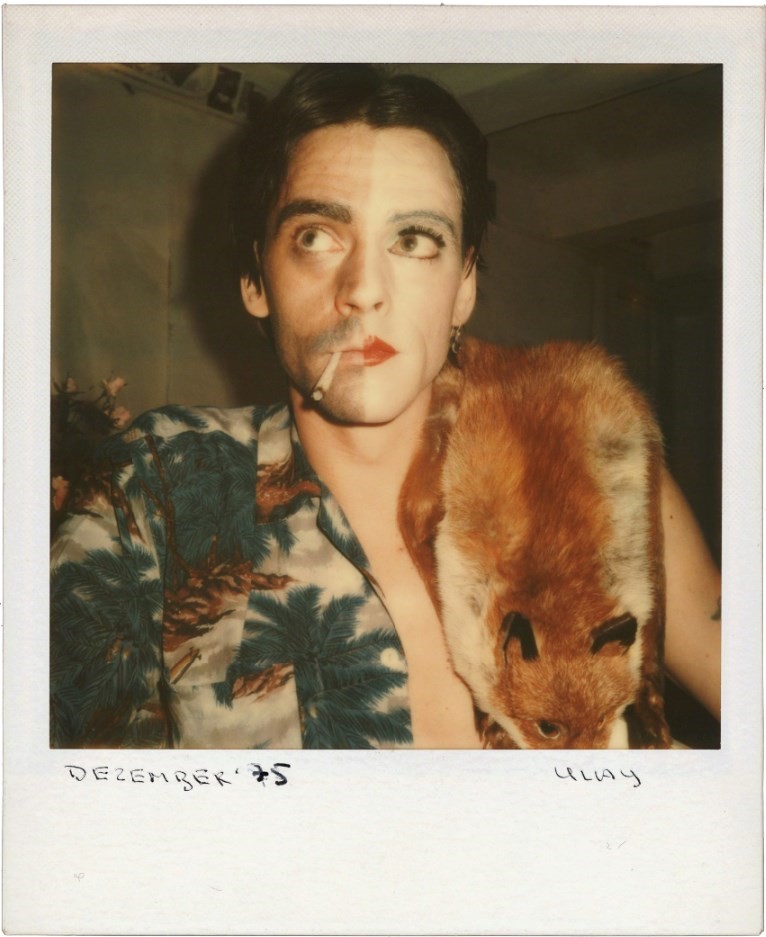
    Son of a Nazi hierarch, in the late 1960s he left his country. He renounced his German nationality to move to Amsterdam. Here he begins to approach photography, embarking on his artistic research through the use of Polaroid.

    Ulay’s Seventies of performance art

    Renais Sense

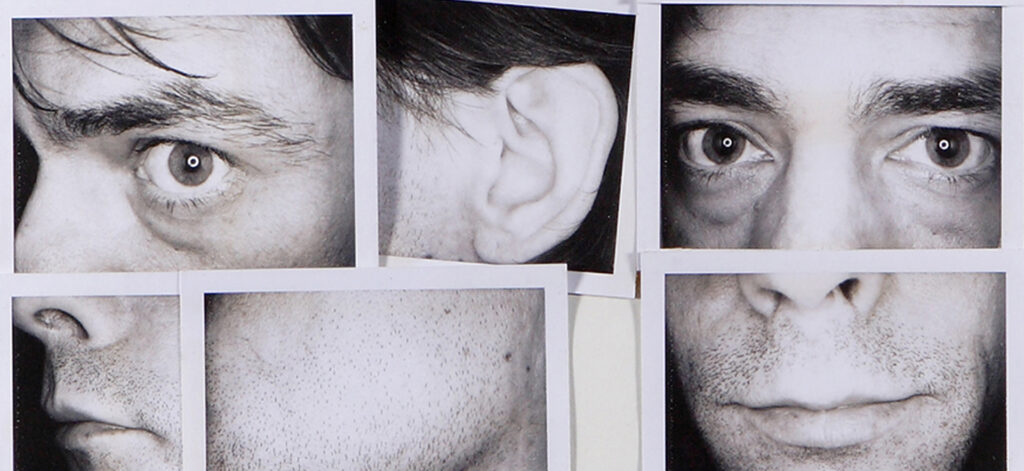
    It is in 1974 that Ulay presents “Renais Sense” exhibition, revived by the Boers-Li Gallery in New York, in 2018. In this, through the use of polaroid and disguise. In particular, he analyzed the concept of limit, through the androgyny, such as deterritorialization of the genus.

    Through "Renais Sense", Ulay identified the process of building multiple identities in the unhinging of stereotypes.

    Through “Renais Sense“, Ulay identified the process of building multiple identities in the unhinging of stereotypes. Dressed up eccentrically as a woman, he showed what he called “that feminine sensitivity that is part of my soul“, pursuing its axiom: “Aesthetics without ethics is cosmetic“.

    There is a Criminal Touch to Art

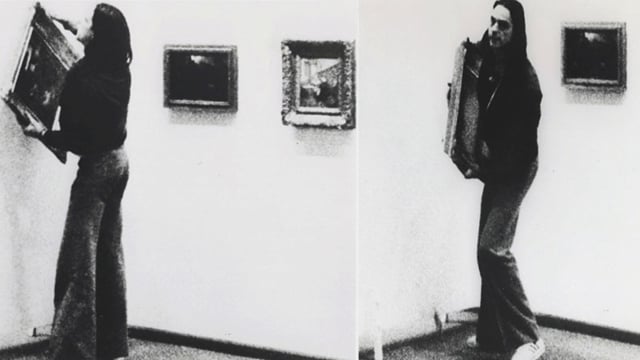
    “There is a Criminal Touch to Art“, in 1976, was a performance on view at the Neue Nationalgalerie in Berlin.

    Ulay stole the nineteenth-century painting particularly admired by the wealthy bourgeoisie and by Adolf Hitler.

    Ulay stole the nineteenth-century painting particularly admired by the wealthy bourgeoisie and by Adolf Hitler. “Der arme Poet” by the romantic painter Carl Spitzweg. Ulay brought it to a Turkish family in the Kreuzberg district, shifting the attention to otherness and ethnic minorities.

    Ulay and Marina Abramović

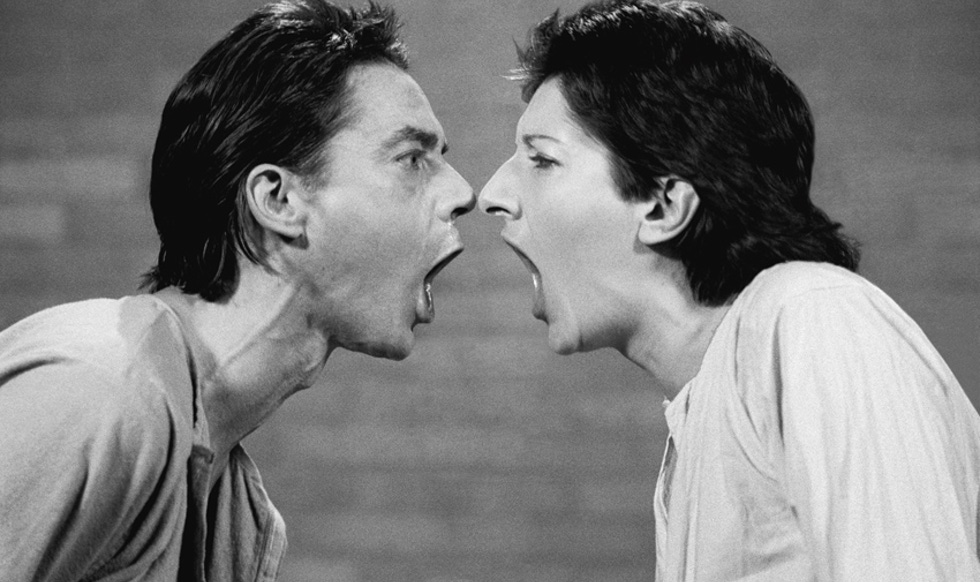
    In Amsterdam, he meets Marina Abramović and with her begins a creative and personal partnership that will last 12 years. The fruits of their collaboration were works such as “Imponderabilia” and “Relation in Space“.

    In Amsterdam, he meets Marina Abramović and with her begins a creative and personal partnership that will last 12 years.

    «I went to Amsterdam, with Ulay we bought an old French police car and we traveled for five years. We lived with nothing, of performance, and for performance, in the car, turning, without having to pay rent or light, stopping in the middle of nature, taking a shower in the service stations “

    Marina Abramović

    Even the separation was a reason for performing. “The Lovers” is a 2500 km walk for the last look at the center of the Chinese Wall. Starting from the two extremes, Ulay from the Gobi Desert, Marina from the Yellow Sea.

    The couple’s performances have always been certainly original and outside the box. Extreme forms of body art that led them to explore the limits of resistance not only physically but also psychically.

    Ulay from 2010 to his death

    In 2010 the great meeting of the artists after many years happened at MoMA. On the occasion of the performance “The Artist Is Present“, citing their previous very similar work, “Nightsea Crossing“, during which the two sat on the opposite sides of a table, remaining motionless.

    Now Ulay is gone. But even the disease has become an opportunity for him to make art. In 2011 he left for a whole year and went from Ljubljana to New York and Amsterdam to meet his lifelong companions and friends. From this journey, which traces the most important moments of his career, was created the 2013 documentary “Project Cancer” directed by Damjan Kozole.

    Ulay still remains one of the most interesting and least classifiable artists on the international art scene. He was an eclectic artist whose work deals with the intersection of photography and conceptual approaches to art in the performance and through the body.

Our Content.
Your Inbox

Join thousands of art lovers

Receive art news, market analysis and updates about new artists on the website

By subscribing you agree to receive RDN Arts emails. Unsubscribe at any time. Privacy Policy.